ORW-GE
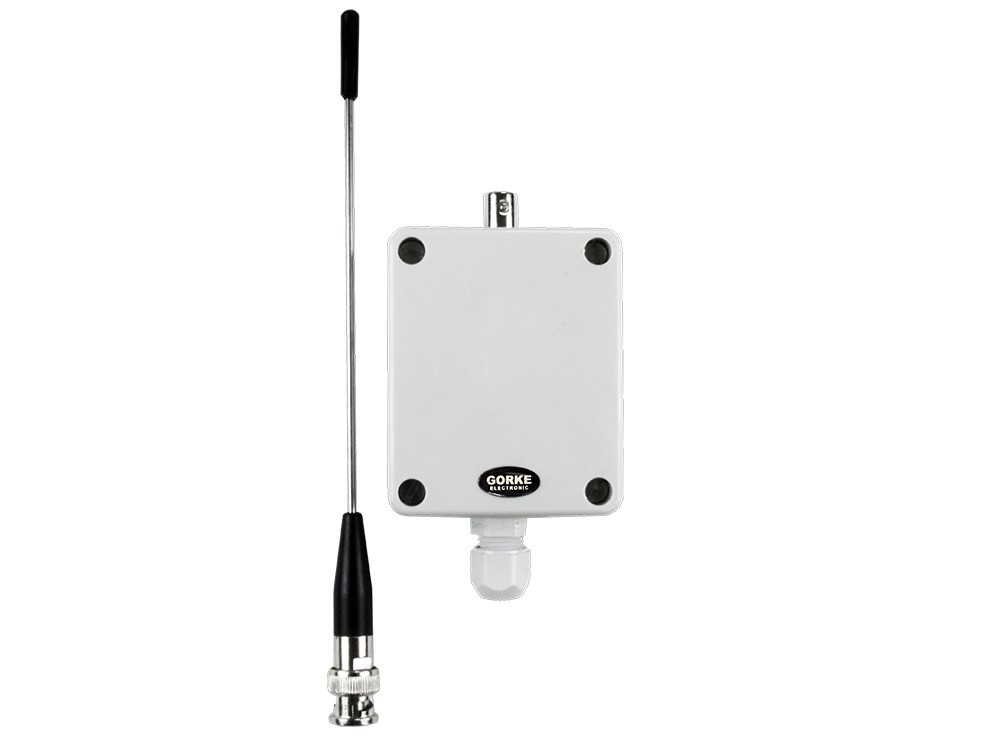
Wiegand receiver at the entry and at the exit: passes the remote’s number to the controller like a card reader. IP65 housing, 12 V DC supply, cable to the controller up to 200 m.
Quantity: 2
Two Wiegand receivers at the entry and exit of the underground garage add radio remotes to the office building’s access control — with no controller replacement and no second user database.
01 / Investment context
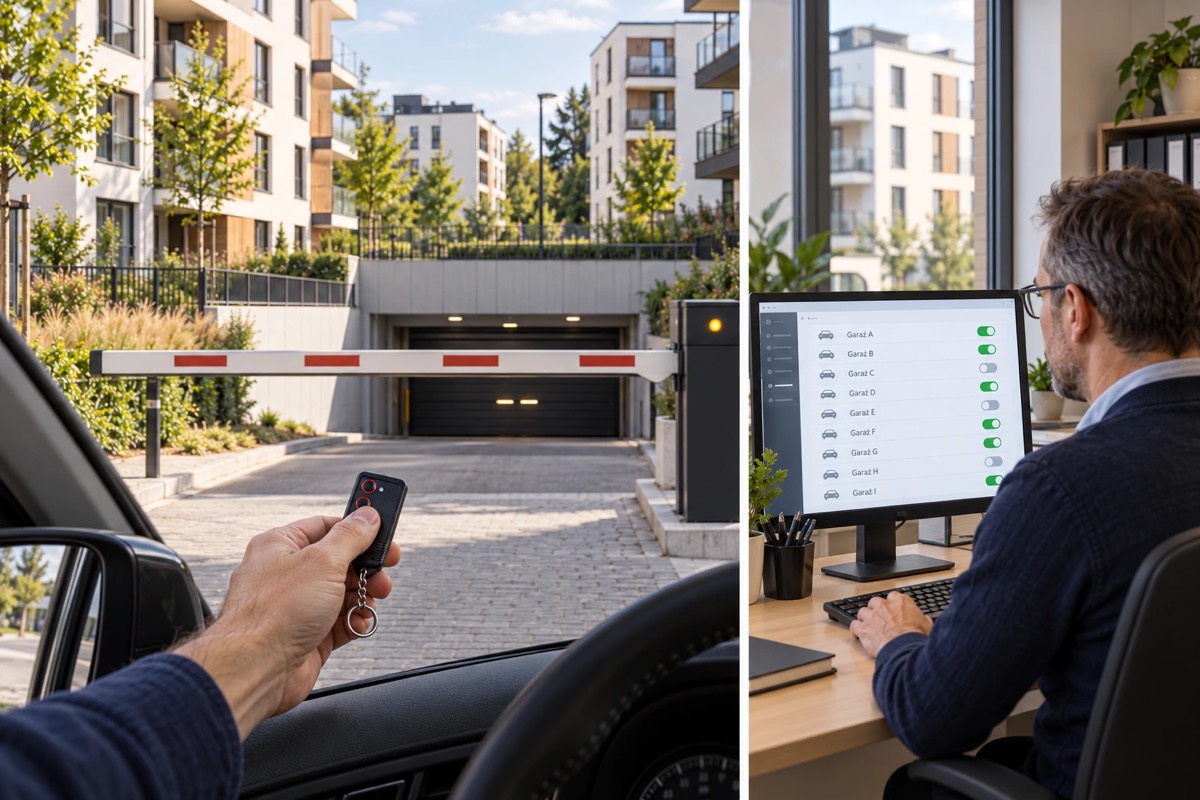
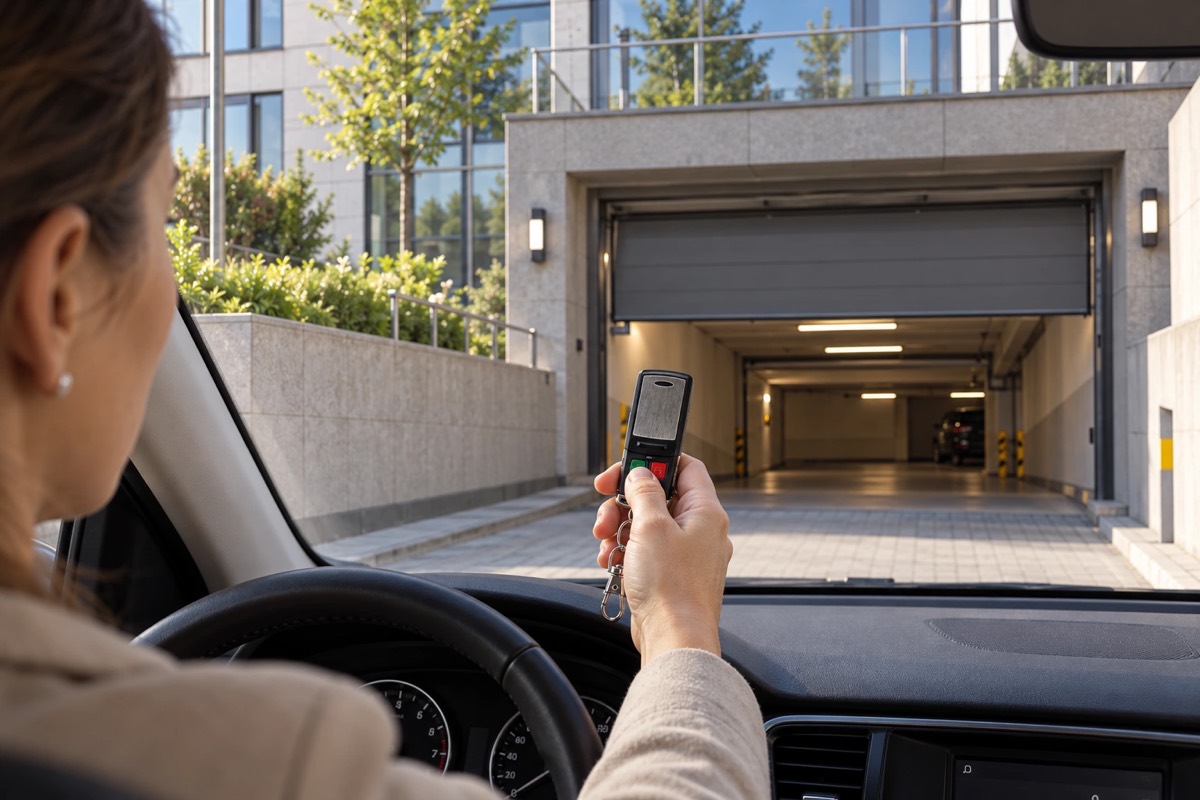
The office building has an underground garage used by 150 people from the tenant companies. Entry and exit currently work with a card: the driver has to lower the window and reach out to the reader at the barrier. In rain and in winter this is inconvenient, and in the morning rush hour every such stop lengthens the queue on the ramp.
The manager wants to give tenants remotes but does not want a second rights system. The building’s access control is already running: it holds people, cards, schedules and blocks. A separate radio system with its own list of remotes would mean two databases to maintain — and the risk that the remote of someone who has left the company stays active because nobody removed it in the second place.
The investor’s goal: Entry to the garage with a remote, without lowering the window — with the same rights database, the same controller and the same software as before.
At both the garage entry and the exit there is a Wiegand receiver (ORW-GE). It picks up the tenant’s remote (PUK-142), converts the signal into the Wiegand 26 or 34 protocol and passes it to the existing access controller exactly as a card reader does. To the controller, the remote is simply another credential with its own number.
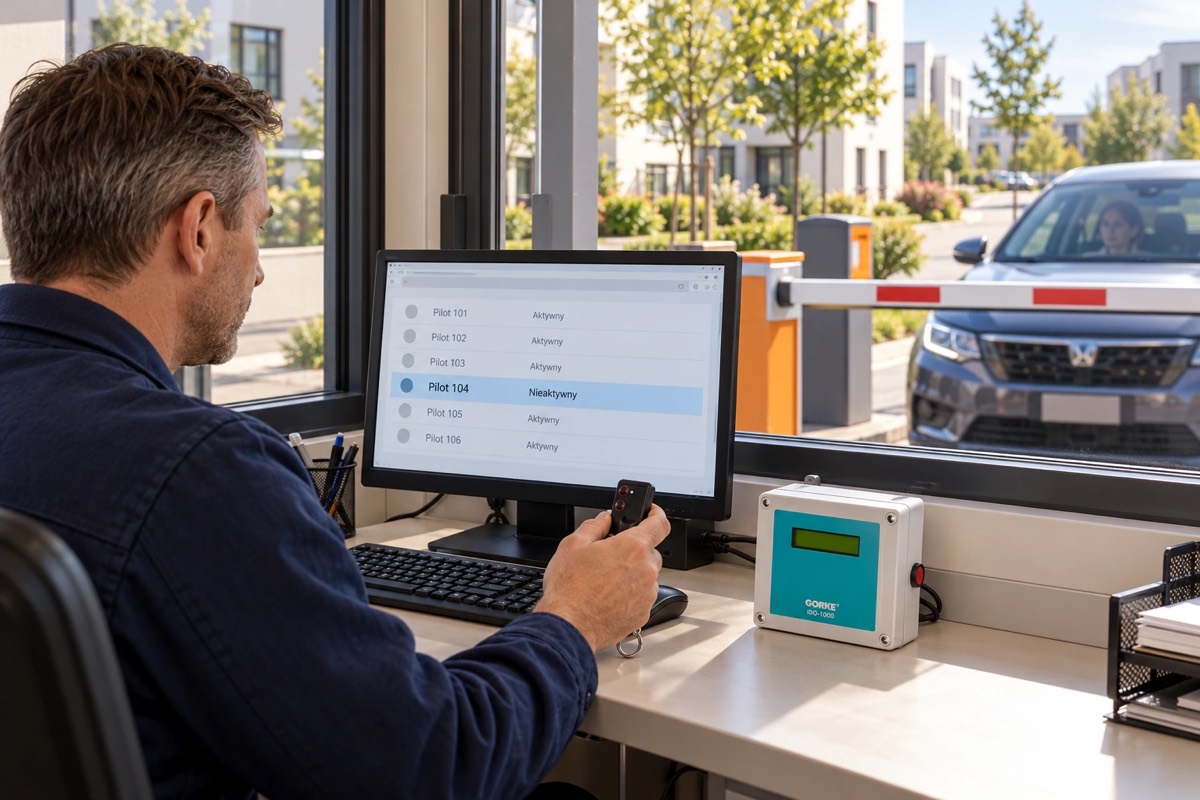
Rights, schedules and blocks stay in the access control software the manager already works with. The remote is added there to the person’s account like a new card, and when a tenant’s lease ends or a loss is reported, the manager disables the remote in the same place as the card. If the right is confirmed, the controller opens the barrier — just as it does when a card is presented.
The receiver has an IP65 housing and can be placed where it picks up an approaching car well; it is connected to the controller by a data line cable of up to 200 m. The remote has a stainless steel housing and a sliding cover that protects the buttons from accidental presses.
02 / Operating principle
A tenant’s remote works in the garage like one more card: a Wiegand receiver passes its number to the controller the manager already uses.
01 / Signal source
PUK-142 Tenant’s remoteThe driver presses a button in front of the barrier, without lowering the window.
02 / Reception
ORW-GE Wiegand receiver at the barrierPasses the remote’s number to the controller exactly as a card reader does.
03 / Action
Barrier Garage entry and exitThe existing controller checks the right as it would for a card and opens the barrier.
A tenant’s remote and card sit in one rights database. The manager adds and disables the remote in the same software as the card, with no second list to keep track of.
A simplified functional diagram.
03 / Installation components
An example selection — the number of devices depends on the site.
Wiegand receiver at the entry and at the exit: passes the remote’s number to the controller like a card reader. IP65 housing, 12 V DC supply, cable to the controller up to 200 m.
Quantity: 2
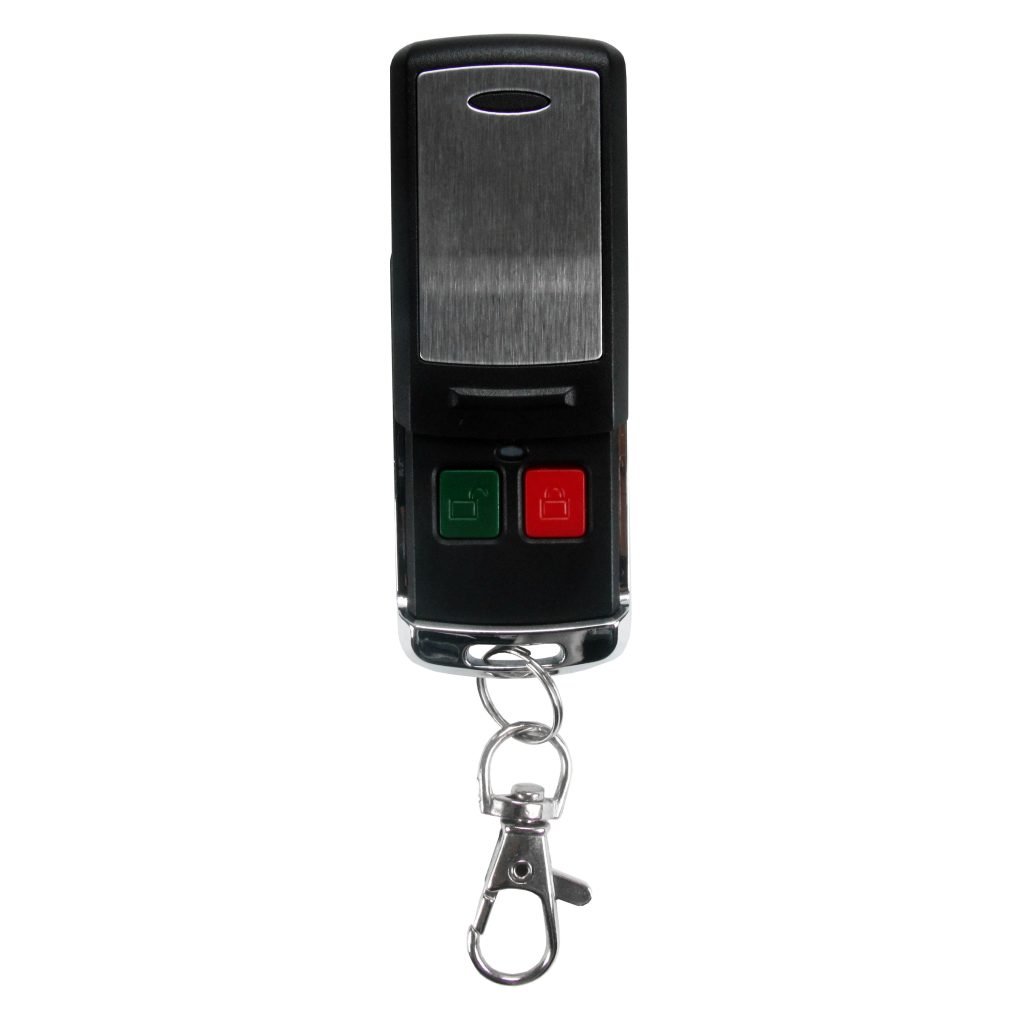
Tenant’s 2-button remote in a stainless steel housing, with a sliding cover that protects the buttons from accidental presses.
Quantity: 150
Catalogue figures describe a device under stated conditions, usually in open terrain, and are not a guaranteed range in every installation. Device quantities in the examples are indicative.
04 / Value for the investor
A person’s remote and card sit in one system, so when a tenant’s employee leaves, access is closed in one place, with no second list to keep track of.
Drivers open the barrier from the car, without lowering the window and reaching for the reader, so the queue on the ramp shrinks faster at rush hour.
The receiver connects to the existing controller like a reader, so the investment is limited to two receivers and remotes for the tenants.
05 / Before installation
Before devices are chosen, what matters is the site’s conditions and how the system ties into the final installation.
Example configuration — it needs a technical selection for your site.
More from this sector
Housing and property
A housing estate in Katowice: one remote control opens the shared barrier and the car park gate of the resident’s part of the estate, and the investor manages the rights of more than 2,000 remotes over the IP network.
Housing and property
86 houses and about 400 users: a remote control opens the estate gates, and the security staff see on screen in which house an alarm has gone off.
Housing and property
A proposal for a car park with several hundred subscribers and high turnover: remotes blocked for non-payment, lost ones deleted, and an event archive with customer data — all in one program.
A project for your site
Send us the key requirements — GORKE will help define the scope, the technology and the components that fit the investment.