ORW-GE
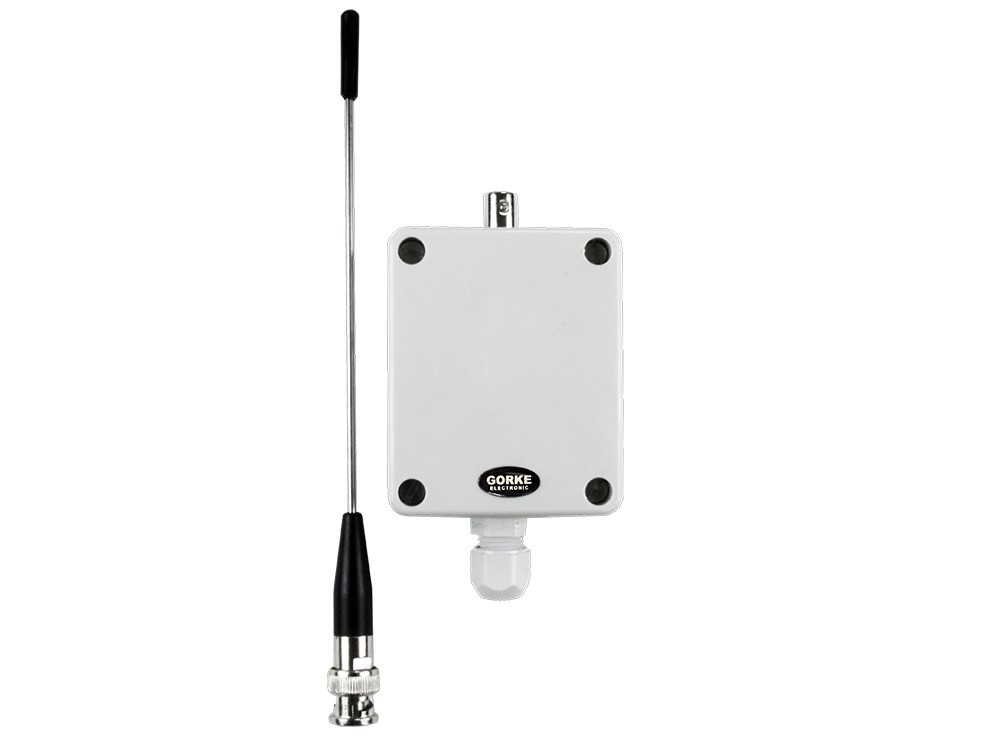
Receiver at each access point: converts the remote’s signal into Wiegand 26/34 and passes it to the controller like a card reader. IP65 housing, 12 V DC supply.
Quantity: 1 per access point
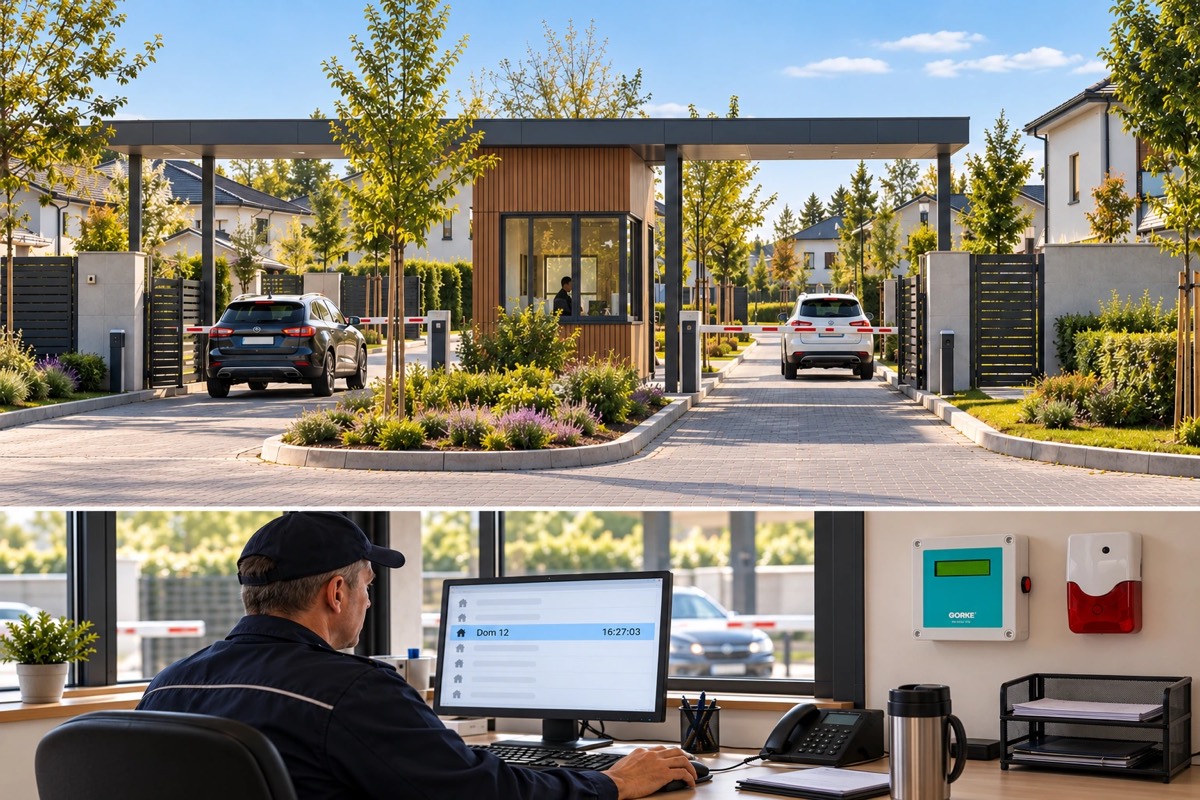
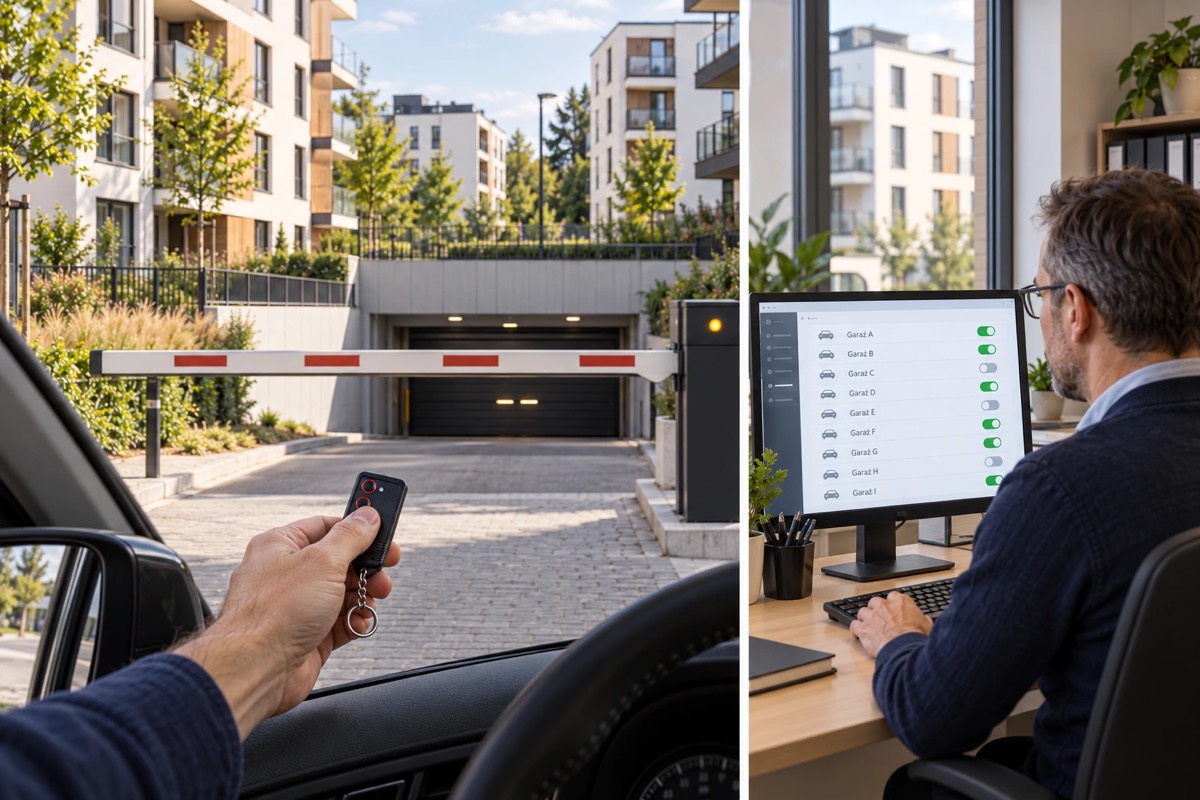
Nine buildings, two shared entrances and the gates of the underground car parks: each remote opens only the access points its owner is entitled to use, and the investor adds, changes and disables remotes — remotely, over the IP network.
01 / Investment context
The housing estate in Katowice has nine buildings. It has two shared entrances, and the individual buildings have their own underground car park gates. The system handles more than 2,000 remote controls, and each resident must have access only to their own part of the estate: to the shared barrier and to the car park gate assigned to that part — and to nothing else.
With this many remotes, changes are part of daily life, and the estate is still growing: new residents arrive, remotes get lost or become outdated. A lost remote that still opens the garage gate is a risk for everyone living in the building. If every change required a service visit at the gates, an outdated remote would keep working until that visit.
The investor’s goal: The investor adds users, changes the scope of access and disables lost remotes itself — remotely, without calling in a service technician — and each remote opens only the access points its owner is entitled to use.
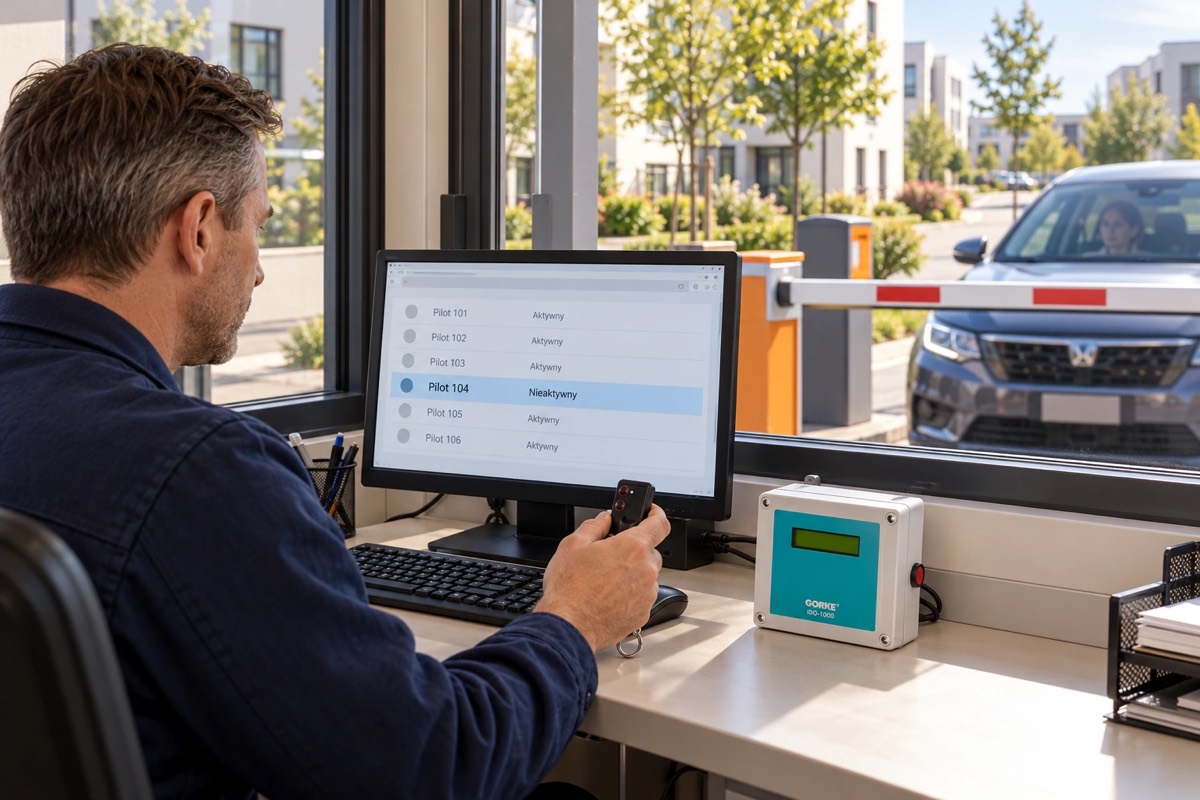
Rights are assigned individually: a remote operates only the access points its owner may use — the shared barrier and the car park gate of their part of the estate. A resident has one remote for both. The system handles more than 2,000 remotes, and adding users, changing the scope of access and disabling lost or outdated remotes are done on the investor’s side, remotely, over the IP network.
For a similar project, GORKE today specifies a system built around Wiegand receivers. At every access point — the barrier of a shared entrance and each garage gate — a receiver (ORW-GE) converts the signal of the remote (PUK-102) into the Wiegand 26 or 34 protocol and passes it to the access controller just as a card reader does. The controller — a device from another manufacturer, administered over the IP network — holds the remote database and decides whether a given remote may open a given point; if so, it sends a signal to the drive’s control input.
In such a system, disabling a lost remote means changing one entry in the controller’s database: the receivers at the gates need no replacement or reprogramming, and all other remotes keep working. A new remote is added to the database and assigned to its owner’s access points.
02 / Operating principle
A remote opens only the access points its owner is entitled to use; the investor changes rights over the IP network.
01 / Signal source
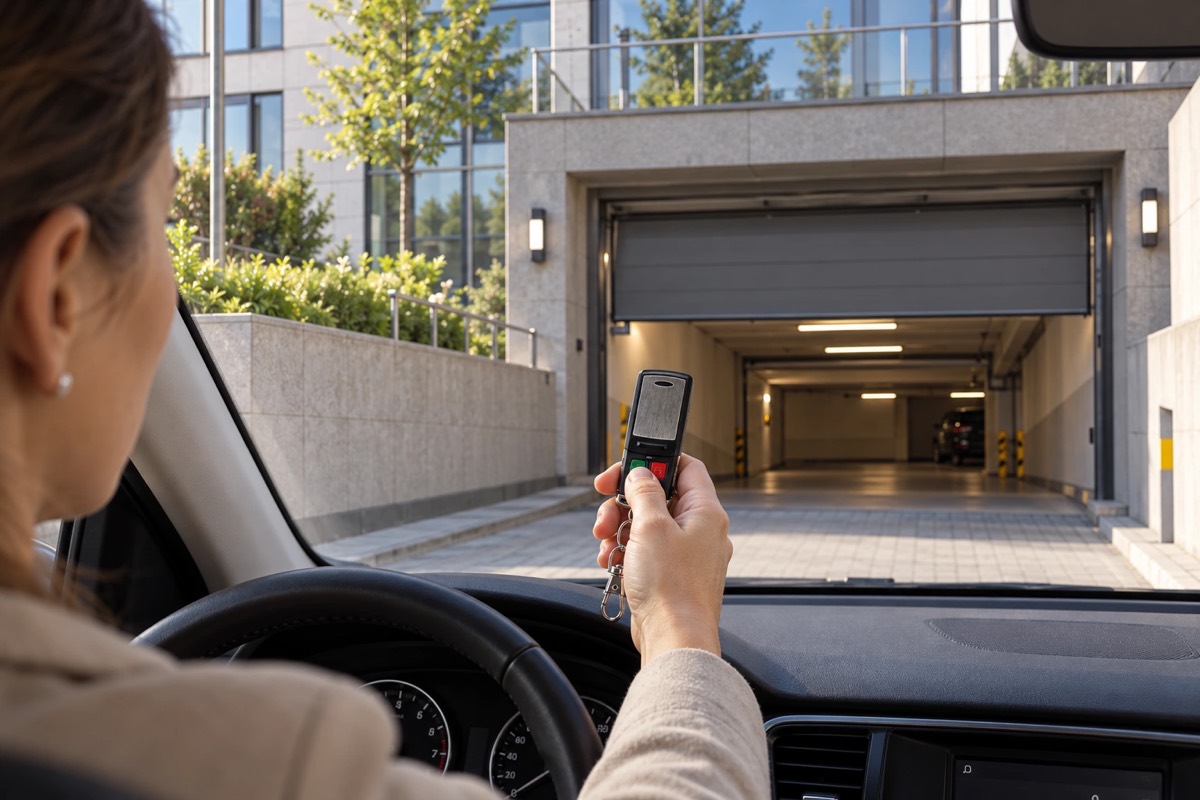
Resident’s remote More than 2,000 remotesResidents have one remote for the shared barrier and the car park gate.
02 / Reception
Receiver At every access pointRecognises the remote, whose rights have been assigned individually.
03 / Action
Barrier or gate Shared entrance and underground car parkOpens only for remotes with a right to this point.
The investor disables a lost remote from a distance. Remotes are added, changed and disabled over the IP network, without calling in a service technician — all other remotes keep working.
A simplified functional diagram.
03 / Installation components
The description of the installation names no models — this is GORKE’s choice for a similar site.
Receiver at each access point: converts the remote’s signal into Wiegand 26/34 and passes it to the controller like a card reader. IP65 housing, 12 V DC supply.
Quantity: 1 per access point
A device from another manufacturer: the database of remotes and of rights to individual gates, administered remotely over the IP network. It drives the control input of the gate or barrier drive.
Quantity: per design
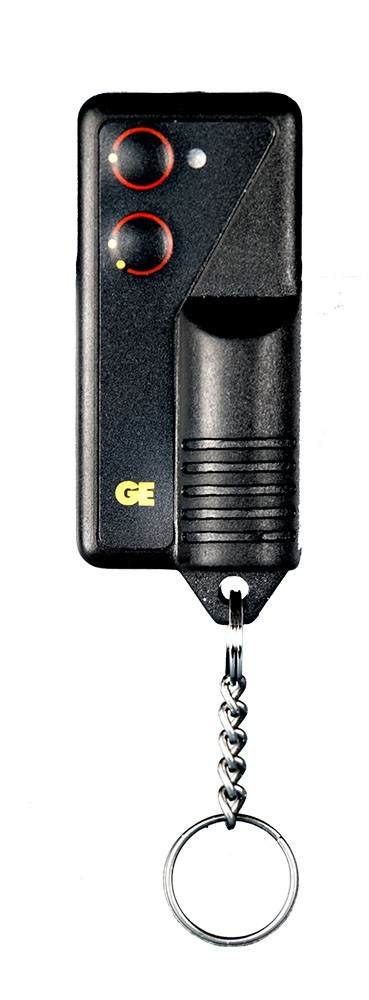
Resident’s 2-button remote with rolling code. It opens the shared barrier and the car park gate its owner is entitled to use.
Quantity: 1 per user
Catalogue figures describe a device under stated conditions, usually in open terrain, and are not a guaranteed range in every installation. Device quantities in the examples are indicative.
04 / Value for the investor
A lost or outdated remote is disabled on the investor’s side, over the IP network — all other remotes keep working, and there is no waiting for a service visit.
A resident opens the shared barrier and the car park gate of their part of the estate, but not the others — each car park is open only to authorised users.
Residents do not carry separate remotes for the barrier and the car park gate, and the rights to all access points are kept in one system.
05 / Before installation
Before devices are chosen, what matters is the site’s conditions and how the system ties into the final installation.
Source: the description of the installation under Custom projects.
More from this sector
Housing and property
86 houses and about 400 users: a remote control opens the estate gates, and the security staff see on screen in which house an alarm has gone off.
Housing and property
A proposal for a car park with several hundred subscribers and high turnover: remotes blocked for non-payment, lost ones deleted, and an event archive with customer data — all in one program.
Housing and property
An office building with Wiegand access control: the receiver at the barrier works like another reader, the tenant’s remote control like a card, and the rights stay in the system the property manager already uses.
A project for your site
Send us the key requirements — GORKE will help define the scope, the technology and the components that fit the investment.