PUX-303
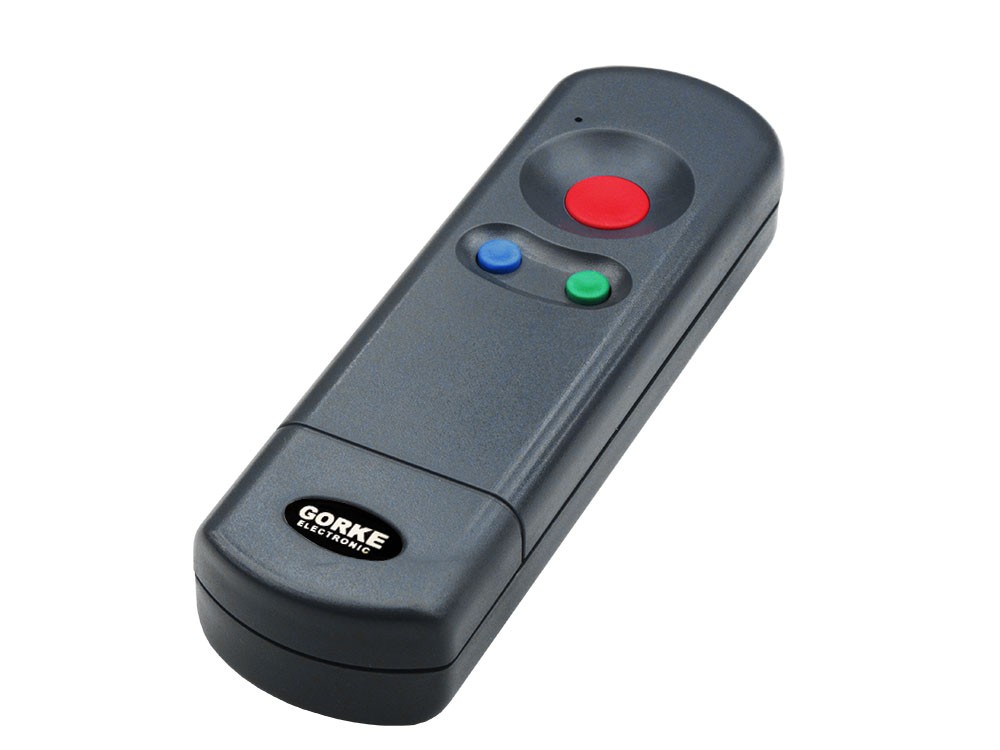
Three-button LX series handheld transmitter with a range of up to 4 km, designed for security systems in urban areas. Two-way communication with receipt confirmation, powered by an LS14500 lithium battery.
Polish radio electronics since 1999
For nearly 30 years we have been designing and manufacturing devices for remote control, signal transmission, long-range communication and assistance calls.
Our solutions work in buildings, on housing estates, in industrial facilities, care facilities, on farms and in technical infrastructure installations.
We combine 433 MHz radio links, two-way LX systems using CSS-based LoRa modulation, controllers that communicate over the cellular network, and devices designed for specific applications.
We match the solution to the function, the radio conditions, the power supply and the planned scale of the installation.

Enquiry Wizard
Add products from the catalogue and divide them into sets for buildings, floors, zones or project phases.
The Enquiry Wizard lets you present the whole installation in one well-organised enquiry. Our technical department then receives not just a list of devices but also information on what they are for and where they go.
GORKE Electronic has been designing and manufacturing radio devices in Poland since 1999. We create technology that connects people, devices and systems — reliably, quickly and over the right distance.
We design our electronics in house. This is also where the software, the prototypes and each new version of our devices are created. Testing, assembly and production take place in one location. This gives us control over the whole process — from the first schematic to the finished product.
Over more than 25 years we have developed successive generations of remote controls, transmitters, receivers and controllers. Today our expertise also covers solutions that use the cellular network, LX long-range systems, notification devices and assistance-call systems.
Every new project draws on the knowledge gained while creating earlier devices. This is practical experience: measurements, tests, observing how systems perform and lessons learned from real installations.
We start by getting to know the place where the technology will work. We analyse the installation's function, how it is operated, the power supply, the radio conditions, the existing infrastructure and the direction of future expansion.
We do not fit the problem to the product. We choose a configuration of catalogue devices, develop an existing design further or design a dedicated solution — depending on what the site really needs.
Our aim is to create solutions that are reliable, easy to operate and ready for change. Solutions that meet an installation's needs today without limiting its growth tomorrow.
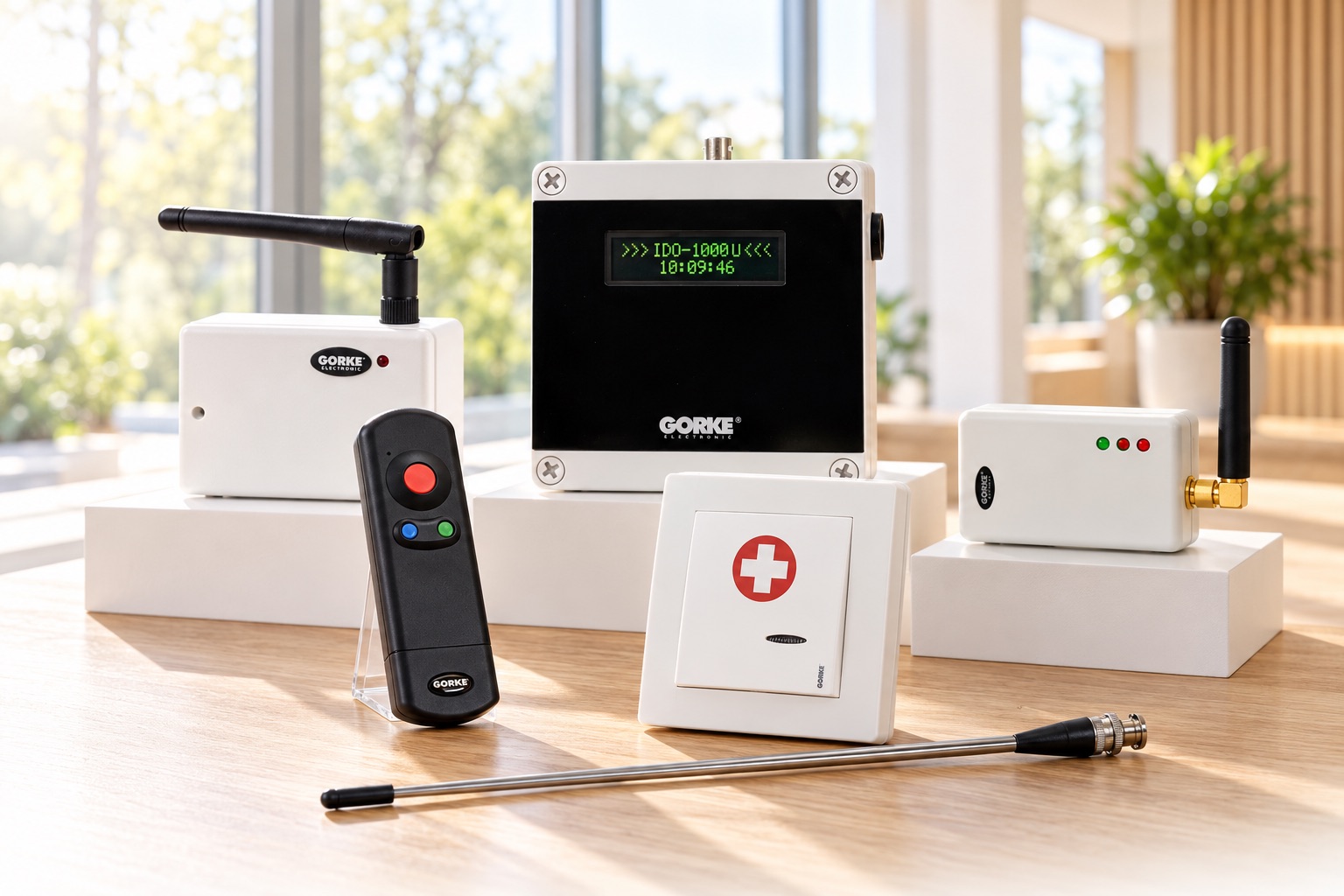
From a site's requirements to a solution ready for deployment — we design radio technology as a coherent whole.
See how we develop custom projectsProven customer choices
Discover the models most often chosen for new installations and for expanding systems already in operation.
The selection is based on completed orders and includes only devices in GORKE's current range.
With every model you will find the available technical parameters, compatibility information and the documentation assigned to the product.

Three-button LX series handheld transmitter with a range of up to 4 km, designed for security systems in urban areas. Two-way communication with receipt confirmation, powered by an LS14500 lithium battery.

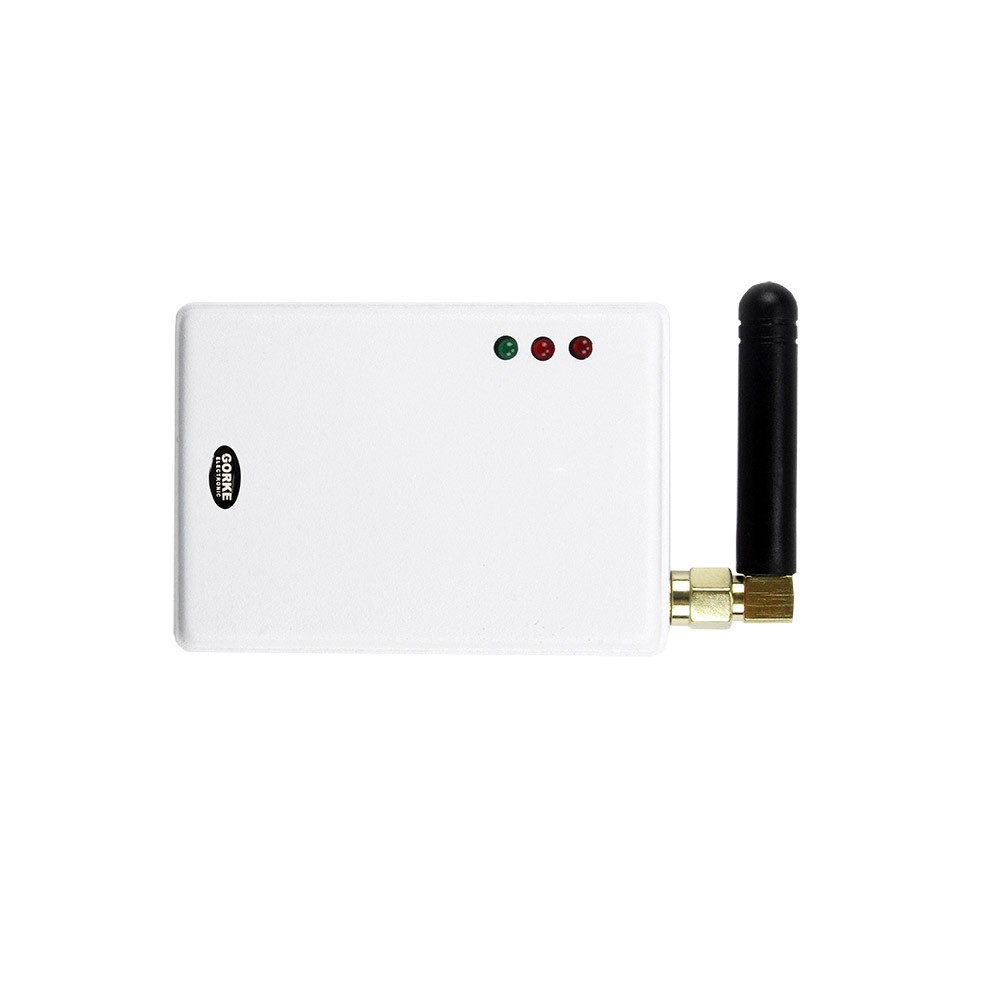
Two-channel receiver with a LoRa module capable of receiving a signal weaker than the surrounding noise. It works where an ordinary radio link fails: in dense urban areas, between floors and amid interference from GSM, WiFi or Bluetooth. Two NO/NC relay outputs, memory for 256 transmitters.

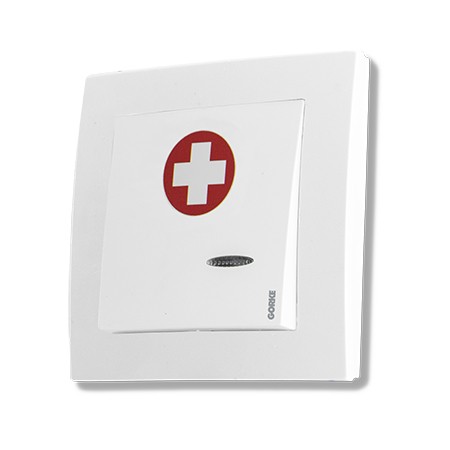
Assistance call button of the SPR nurse call system, mounted in a frame by the bed, in a bathroom or in a consulting room. One alarm key and an EXT input for an external sensor. Range 200 m with an H1 receiver and 400 m with H2. Battery-powered, two CR2032 cells.
Go to the catalogue and choose the device group, compatibility, number of channels and power source.
Solutions for different sectors
How a system works follows from the type of site, the way work is organised, the number of users, the installation conditions and the planned scale.
Explore solutions prepared for the most common industry applications.
Radio and GSM control of gates, automation and installations from one place.
Explore solutions 02Clear nurse-call systems for care and healthcare facilities.
Explore solutions 03Scalable access for buildings, estates and garages.
Explore solutions 04Control and communication designed for demanding conditions.
Explore solutions 05Devices selected for installations exposed to high and low temperatures.
Explore solutions 06Explore GORKE devices and systems in the context of the site, the application and the operating conditions.
View all solutionsModifications and dedicated projects
Not every project can be delivered with catalogue devices alone. When the site's requirements, the way it communicates or integration with existing infrastructure call for an individual approach, we develop GORKE solutions further or design a new device.
The starting point may be a system built from available devices, a modification of an existing platform or a solution developed from scratch. We translate functional and technical requirements into the system architecture, the choice of technology and a plan that leads to deployment.
Since 1999 we have been developing radio electronics with our own design and production facilities. We combine electronics and software design with prototyping, testing and preparing devices for repeatable production.
The result is a solution prepared for a specific site, task and planned project scale — instead of a device the project has to be adapted to.
Let’s talk about your project
Describe the expected result, where it will be used, the scale and the most important technical conditions. On that basis we will outline a possible way forward and the information needed for an initial analysis.