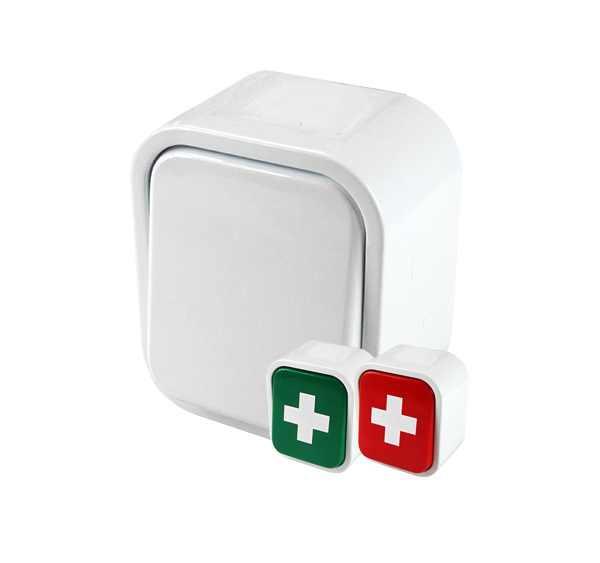
PNH-201
Sealed button at the ship’s entrance: a person from shore uses it to announce their arrival. The model used in the installation, still available; IP44-rated.
Quantity: 1 at the gangway
Calling the duty officer to the gangway on ships with metal hulls: radio at the entrance, a cable through the structure and a transmitter on every level. After 12 years in salt-laden air the system was still working reliably.
01 / Investment context
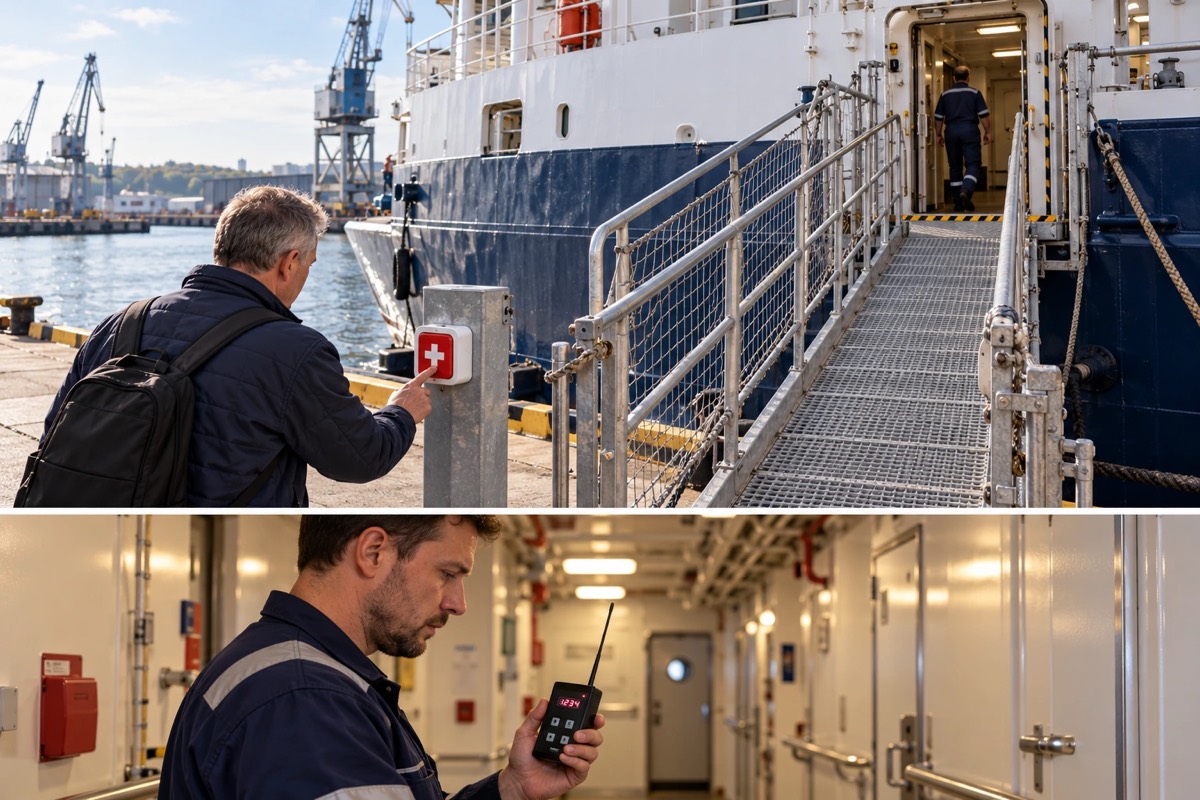
A ship in port receives people from shore, and only an authorised person may let them aboard. The duty officer who has to do it does not stand at the gangway: they may be anywhere on the vessel, on any of its levels. The shipowner operates small, medium and large ships, so the distances and the number of levels vary.
The hull is metal, and metal is an obstacle to radio waves: the signal from a button at the gangway does not reliably reach the inside of the ship or pass between levels. Yet the message that someone is waiting at the entrance has to reach every place where the duty officer might be — in salt-laden, humid air that is hard on electronics and connectors.
The investor’s goal: The duty officer knows they must go to the gangway wherever they are on the ship — from the pager or from the lamp on their level.
At the ship’s entrance there is a sealed radio button (PNH-201). On deck, at a spot with good reception, a digital-line amplifier (WLC-201) picks up its signal and, instead of fighting the hull, passes it on by cable — through the metal structure to each level of the ship.
On each level a digital-line receiver (RSU-K01/LC) applies power to a stationary transmitter (NRP-102), which then sends a radio signal on its level. The duty officers’ pagers receive it, and — if the shipowner wishes — so does an optical signal unit. From the pager or the lamp the duty officer knows to go to the gangway.
Carefully installed — with well-protected antenna sockets and cable glands — the system was still working reliably after 12 years in salt-laden air. The OBI-3SH pagers it used now have a successor, the OBI-4SH pager, and today’s signal unit of the BSO-2 family is the BSO-2H2. The button, the digital-line amplifier and the level transmitter are still available. The digital-line receiver from the installation has been discontinued, so GORKE selects a receiver that works with the WLC-201 at the design stage.
02 / Operating principle
A button at the gangway calls the duty officer: the signal passes by cable through the metal hull and reaches the pager by radio.
01 / Signal source
PNH-201 Button at the ship’s entranceA person from shore uses it to announce their arrival.
02 / Transmission
WLC-201 Digital-line amplifierPicks up the signal on deck and distributes it by cable to the levels.
03 / Notification
Duty officer On every level of the ship Pager + LampThe level transmitter sends the call by radio to the pagers and the lamp.
The duty officer knows to go to the gangway, wherever they are. The call reaches every level, and after 12 years in salt-laden air the system was still working reliably.
A simplified functional diagram.
03 / Installation components
The models used in the project, with their equivalents in the current range.
Sealed button at the ship’s entrance: a person from shore uses it to announce their arrival. The model used in the installation, still available; IP44-rated.
Quantity: 1 at the gangway
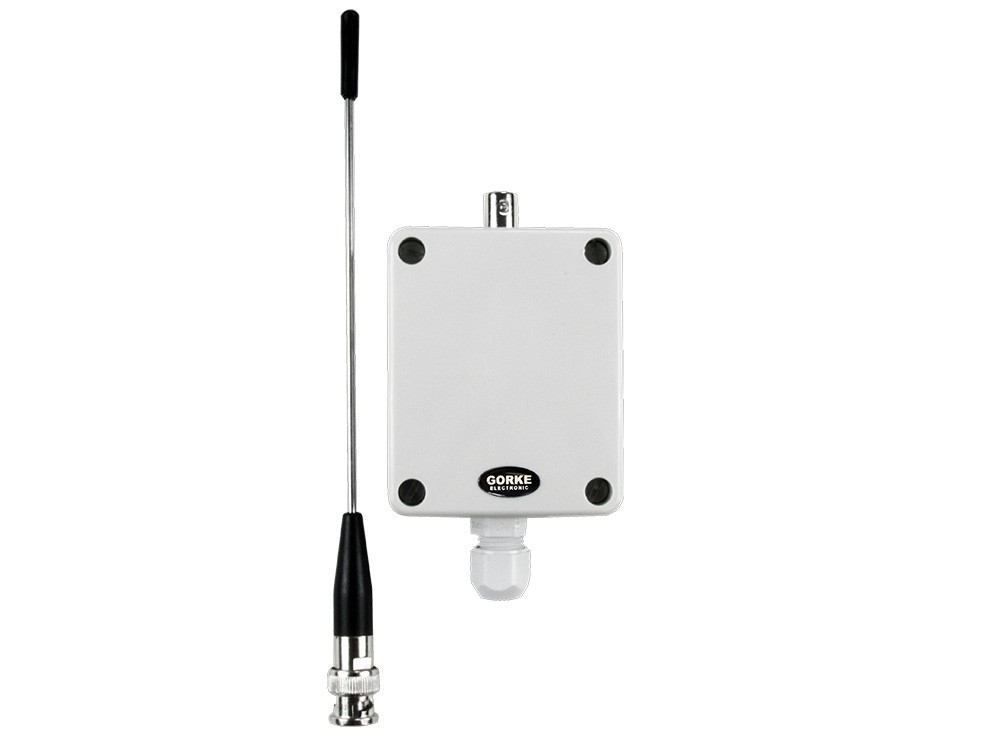
Digital-line amplifier on deck: picks up the button’s signal where reception is good and passes it by cable through the metal structure, up to 200 m. The model from the installation, still available.
Quantity: 1 per ship
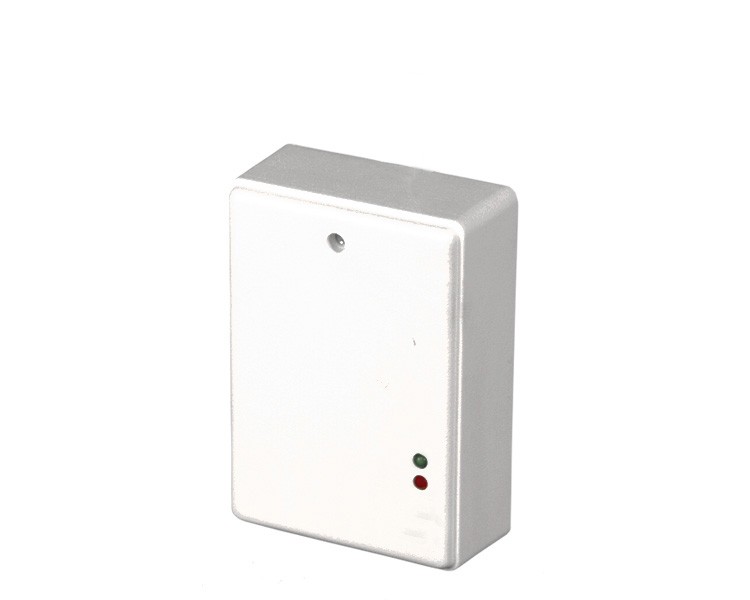
Digital-line receiver on each level: uses its relay to start the level transmitter. The model used in the installation, now discontinued — GORKE selects a receiver that works with the WLC-201 at the design stage.
Quantity: 1 per level
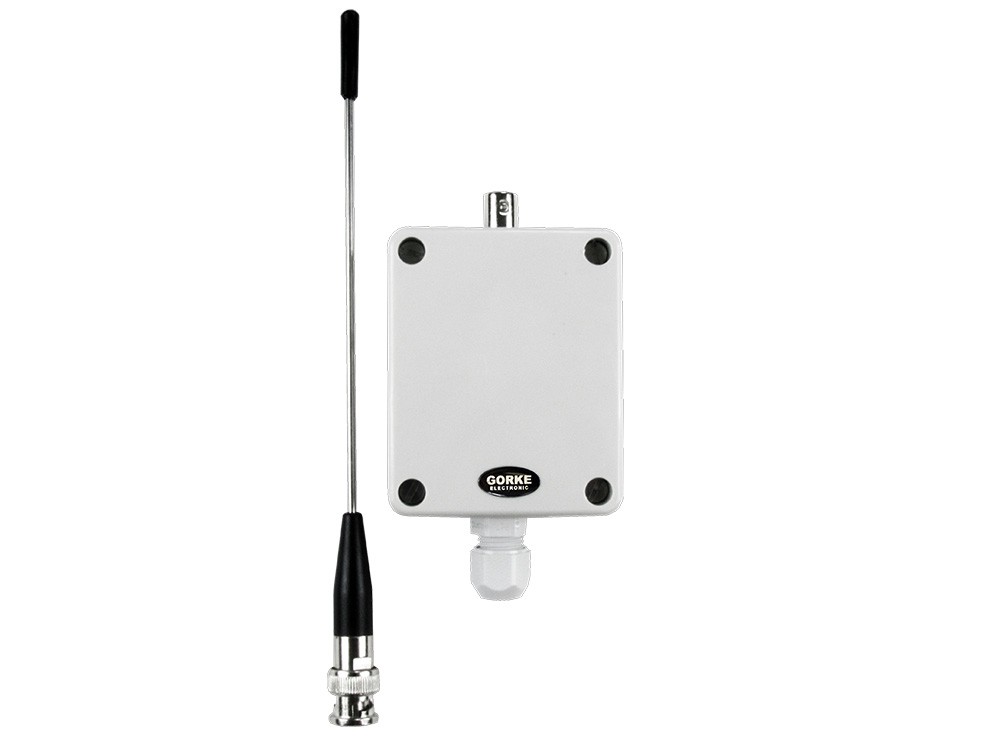
Stationary transmitter on a ship’s level: it transmits when the digital-line receiver applies power, and its signal reaches the pagers and the lamp. The model from the installation, still available.
Quantity: 1 per level
Duty officer’s pager: the gangway call reaches them wherever they happen to be, on any level of the ship. Successor to the OBI-3SH model used in the installation.
Quantity: 1 per duty officer
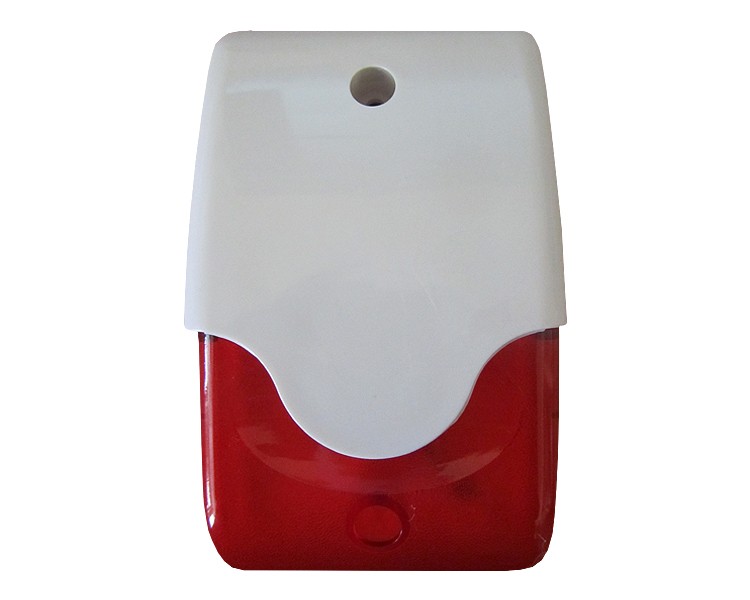
Optical signal unit on a level, if the shipowner wishes: shows the gangway call to anyone without a pager as well. Today’s model of the BSO-2 family used in the installation.
Quantity: optional
Power from the ship’s supply for the amplifier, the digital-line receivers, the level transmitters and the signal units — all of them run on 12 V DC.
Quantity: per number of levels
Catalogue figures describe a device under stated conditions, usually in open terrain, and are not a guaranteed range in every installation. Device quantities in the examples are indicative.
04 / Value for the investor
Carefully installed, the system was still working reliably after 12 years in salt-laden, humid air — one of the harshest environments for electronics.
Where radio cannot pass through metal, the signal goes by cable, and on each level by radio again — to the pagers and lamps.
They need not wait at the gangway: the call reaches the pager on any level of the ship, so the duty officer can work instead of guarding the entrance.
05 / Before installation
Before devices are chosen, what matters is the site’s conditions and how the system ties into the final installation.
Source: an archived GORKE description of the installation. For a new investment we choose current models.
More from this sector
Logistics and transport
A logistics company: the driver signals with a remote control, head office receives a text and opens the warehouse gate by phone — and arrival times stay in the messages.
Logistics and transport
Filling stations, loading centres, transit warehouses: the night-shift worker confirms presence at intervals, and the supervision point sees whether the confirmations arrive on time.
Logistics and transport
A distribution centre with 24 loading docks: a button at the dock calls a forklift operator, and the dispatch office and pagers show the dock number — no two-way radio, no follow-up questions.
A project for your site
Send us the key requirements — GORKE will help define the scope, the technology and the components that fit the investment.