RNX-101S
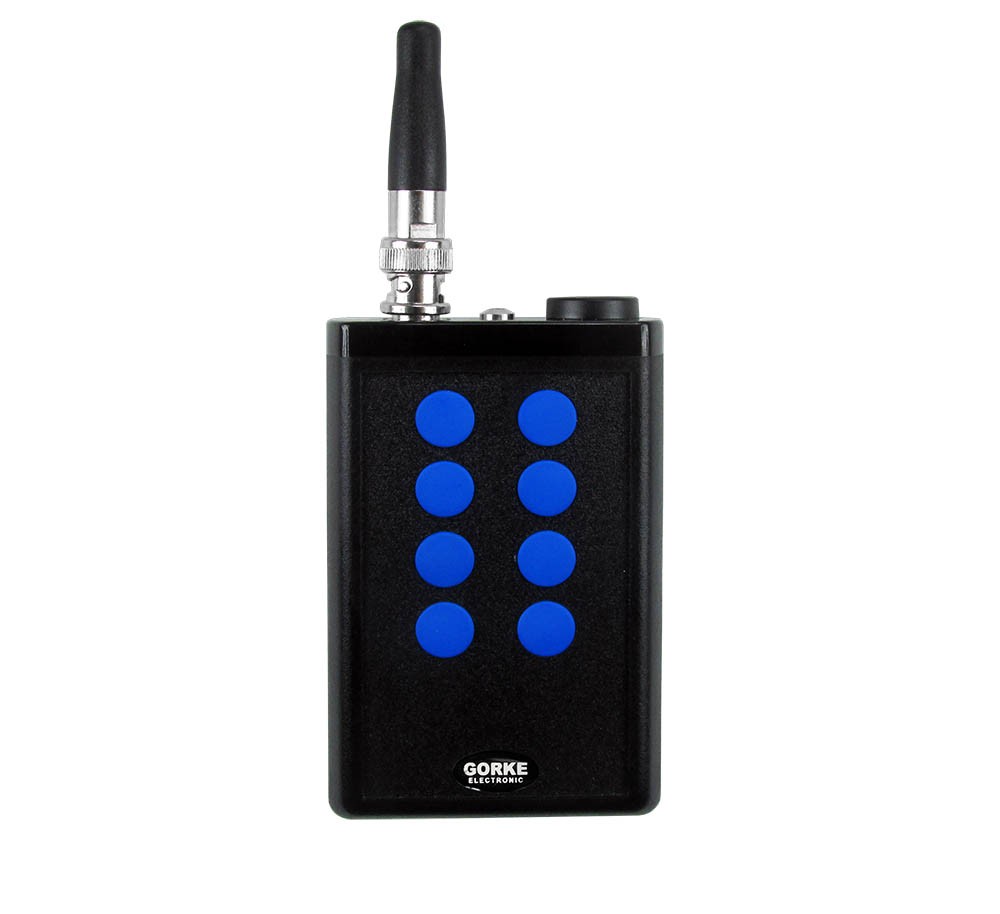
Remote control in the house: six active keys, two per aerator — “on” and “off”. It confirms receipt of the command with an LED, sound or vibration.
Quantity: 1
An LX link between the house and ponds up to 1.5 km from the farm buildings: a remote control switches the aerators on and off, and transmitters at the ponds send their running and fault states back to the house.
01 / Investment context
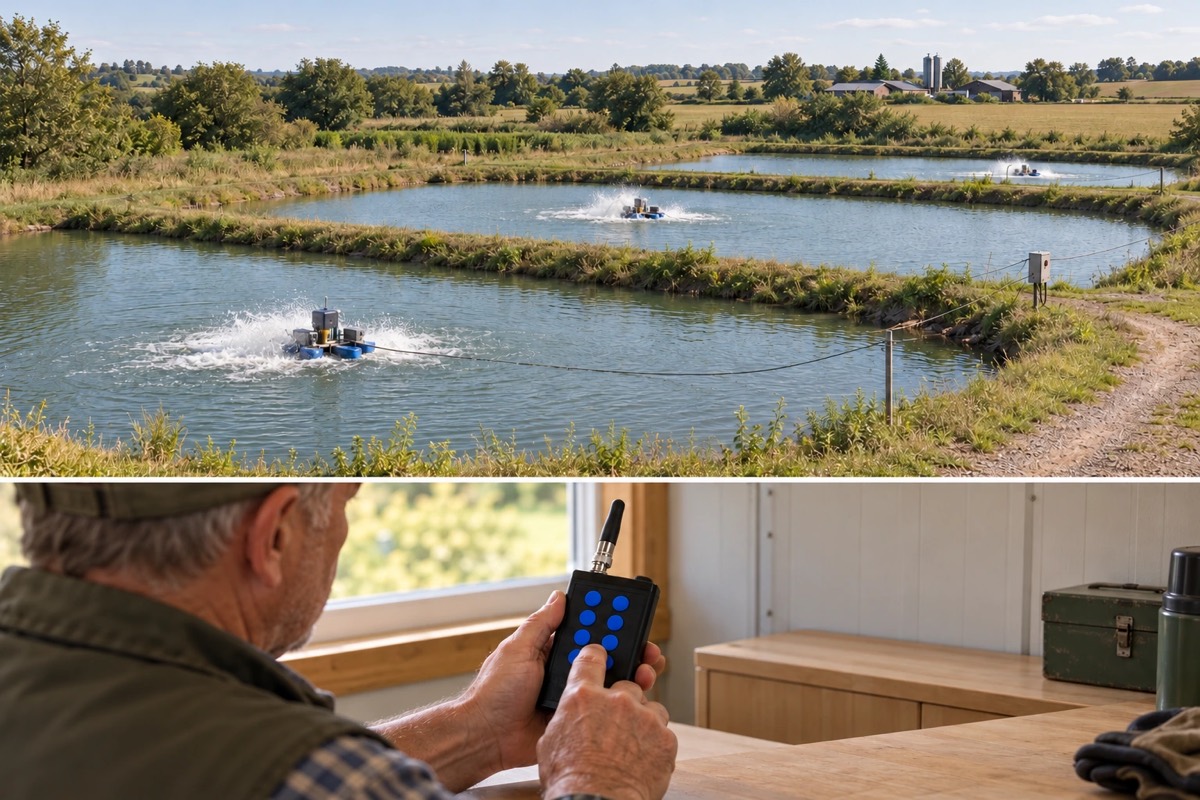
The farm runs three stocked fish ponds up to 1.5 km from the house and farm buildings. Each pond has one aerator, fed from a switchboard on the dike. Today it is switched on and off on site.
On warm summer nights the oxygen level in the water drops, and the aerators then have to be switched on quickly. Driving out to the ponds at three in the morning costs time and sleep, and on a bad night all three have to be visited.
Worse than a delay is a failure nobody knows about. From the house you cannot see whether an aerator is running or has been tripped by its motor protection — and when oxygen is short, an unnoticed failure can cost a pond its entire stock.
The investor’s goal: Switch each aerator on and off from the house, see whether its contactor has switched it on, and learn at once when its protection trips.
Control: the house has a nine-key long-range LX remote control (RNX-101S) with six keys active — “on” and “off” for each of the three aerators. The switchboard at each pond holds an LX receiver (RSX-K02) in bistable two-key mode; its relay drives the coil of the aerator contactor, and the remote control confirms with an LED, sound or vibration that the receiver has taken the command.
Monitoring: in the same switchboard a battery-powered LX transmitter (NBX-102) has two inputs. The first is connected to an auxiliary contact of the contactor and says the aerator is running; the second to the motor protection contact and reports a fault. In the house each pond has its own LX receiver (RSX-K02): relay 1 lights a “running” lamp, relay 2 sets off a shared fault signal unit (SWR-108).
The owner therefore knows not only that the command arrived, but that the contactor actually switched the motor on. A trip of the motor protection is heard at once, at night too, when nobody pressed anything.
02 / Operating principle
A remote control in the house switches the aerators on, and transmitters at the ponds send their running and fault states back to the house.
01 / Signal source
RNX-101S Remote in the house, six keysHas a separate “on” and “off” for each of the three aerators.
02 / Reception
RSX-K02 LX receiver at the pondSends back a confirmation and drives the contactor coil with its relay.
03 / Action
Aerator Contactor in the switchboard on the dikeThe contactor switches the aerator motor on or off.
The aerators are switched on from the house, with no night-time trips. On a warm night the owner switches them on one after another, and the remote control confirms that each receiver has taken the command.
01 / Signal source
NBX-102 Status transmitter in the switchboardSends “running” from the contactor and “fault” from the motor protection.
02 / Reception
RSX-K02 Receiver in the house, one per pondRelay 1 lights the lamp, relay 2 sets off the signal unit.
03 / Notification
Panel in the house Shared by the three ponds Lamp + Signal unitThe “running” lamp shows that the contactor is on, the signal unit shows a fault.
You can see whether the contactor has switched the aerator on. The lamp is lit by a contact of the contactor, and a protection trip is heard at once, at night too, when nobody pressed anything.
A simplified functional diagram.
03 / Installation components
An example selection — the number of devices depends on the site.
Remote control in the house: six active keys, two per aerator — “on” and “off”. It confirms receipt of the command with an LED, sound or vibration.
Quantity: 1
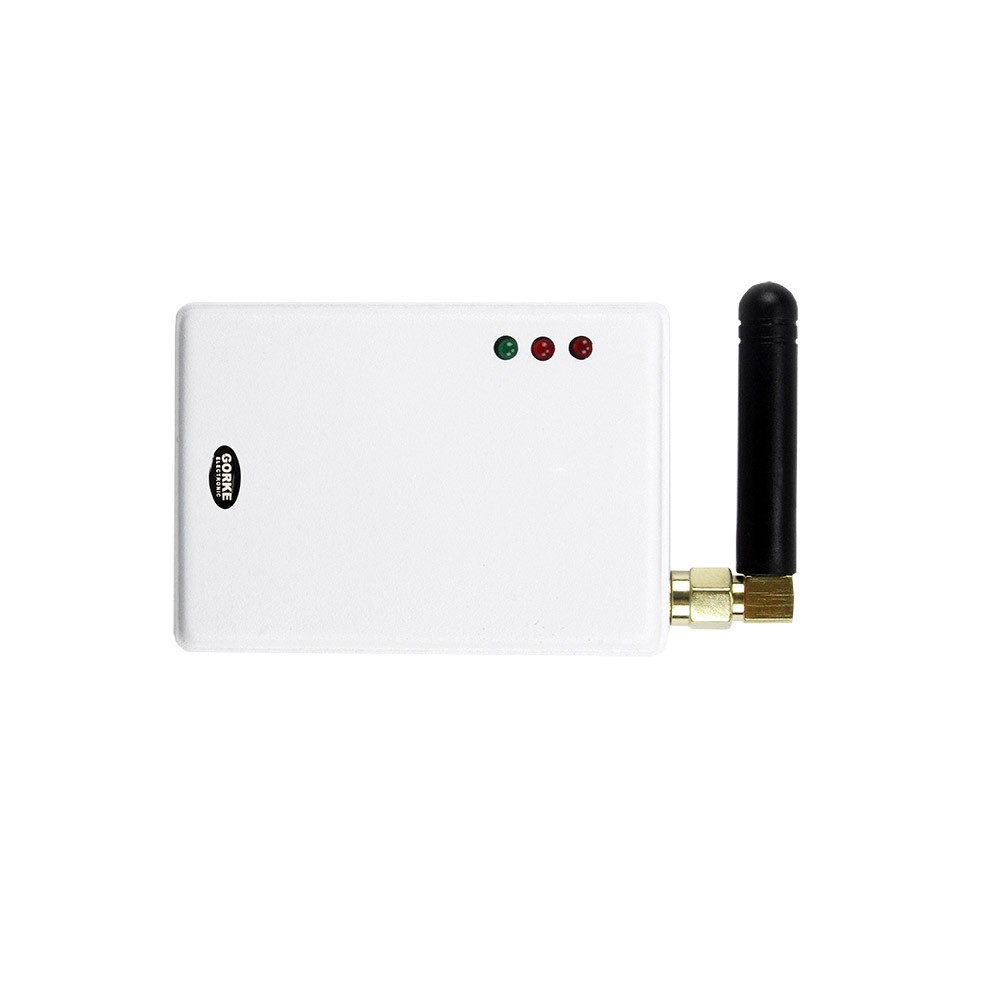
LX receiver in the switchboard at the pond, in bistable two-key mode: one key switches its relay on, the other off. The relay drives the coil of the aerator contactor.
Quantity: 3
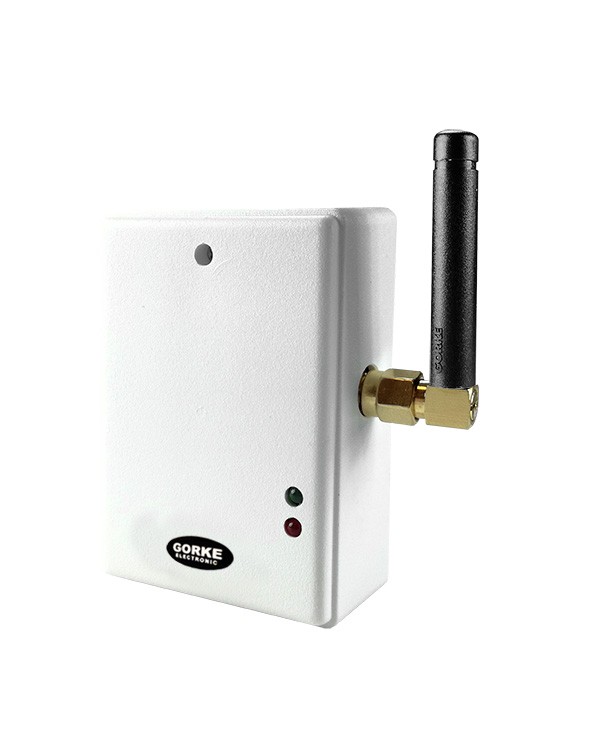
Battery-powered LX transmitter in the switchboard at the pond. Input 1: contactor auxiliary contact (“running”), input 2: motor protection contact (“fault”).
Quantity: 3
LX receiver in the house, one per pond: relay 1 lights the “running” lamp, relay 2 sets off the fault signal unit. It sends a confirmation back to the transmitter.
Quantity: 3
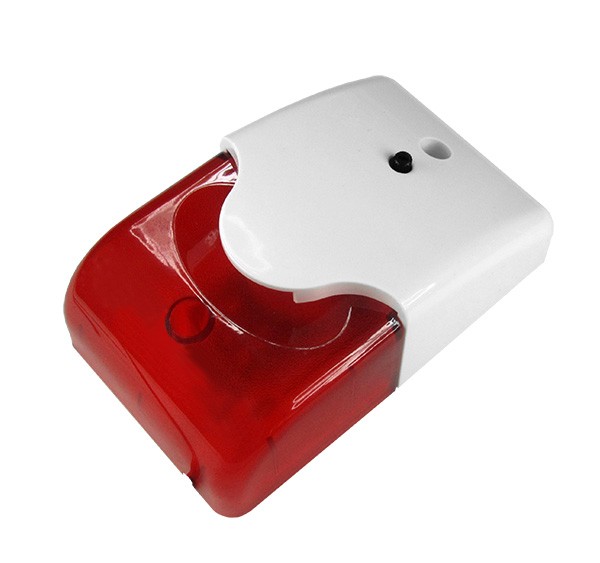
Shared fault signal unit in the house, with volume control: a protection trip on any of the three aerators sets it off.
Quantity: 1
“Running” lamp on a shared panel in the house, one per aerator; it is lit by the relay of that pond’s receiver.
Quantity: 3
Powers the receivers: one in each switchboard at the ponds and one in the house for the three receivers, the lamps and the signal unit.
Quantity: 4
Catalogue figures describe a device under stated conditions, usually in open terrain, and are not a guaranteed range in every installation. Device quantities in the examples are indicative.
04 / Value for the investor
The lamp in the house is lit by a contact of the contactor, so it shows that the aerator has been switched on — not just that the command arrived.
On a warm night the aerators are switched on from the house, one after another, instead of driving along the dikes of three ponds up to 1.5 km away.
A motor protection trip sets off the signal unit in the house even when nobody pressed anything — before a lack of oxygen threatens the stock.
05 / Before installation
Before devices are chosen, what matters is the site’s conditions and how the system ties into the final installation.
Example configuration — it needs a technical selection for your site.
More from this sector
Agriculture
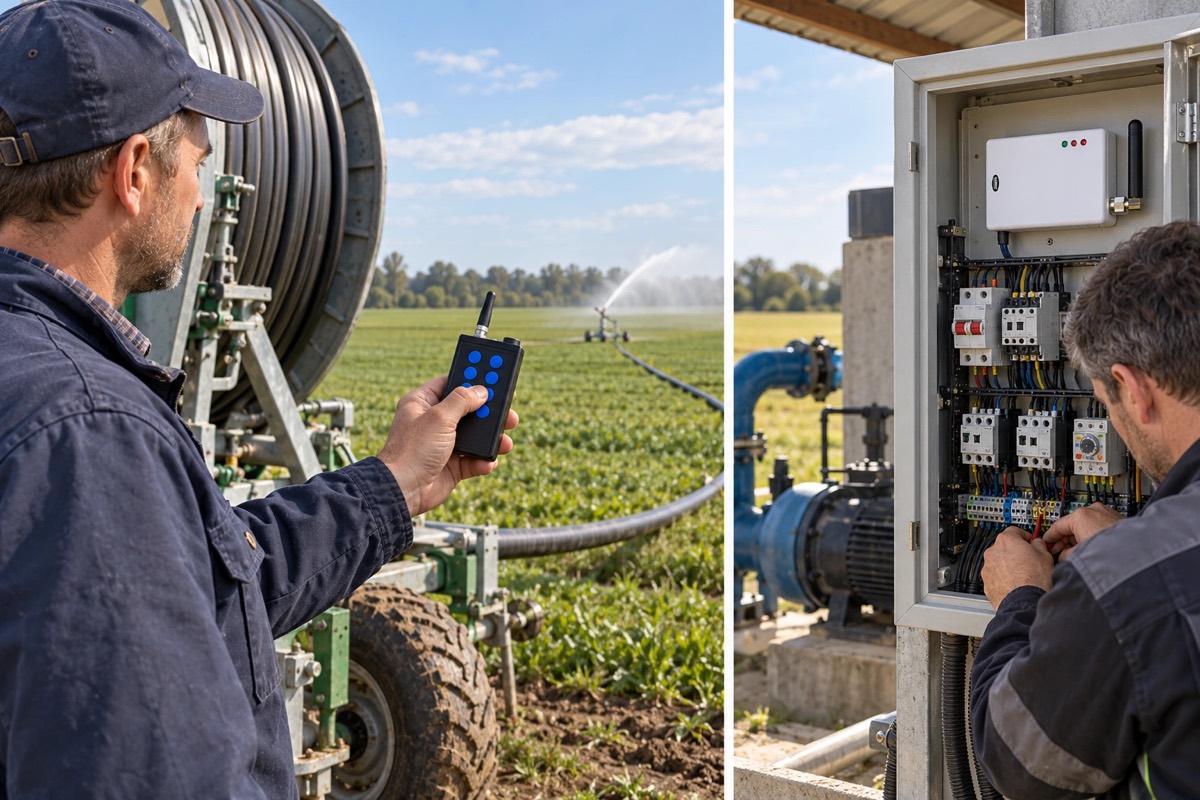
A farm: the operator of a hose-reel irrigator switches two pumps on and off without help, using a remote control, from the place of work up to 2 km away — without driving out to them.
Agriculture
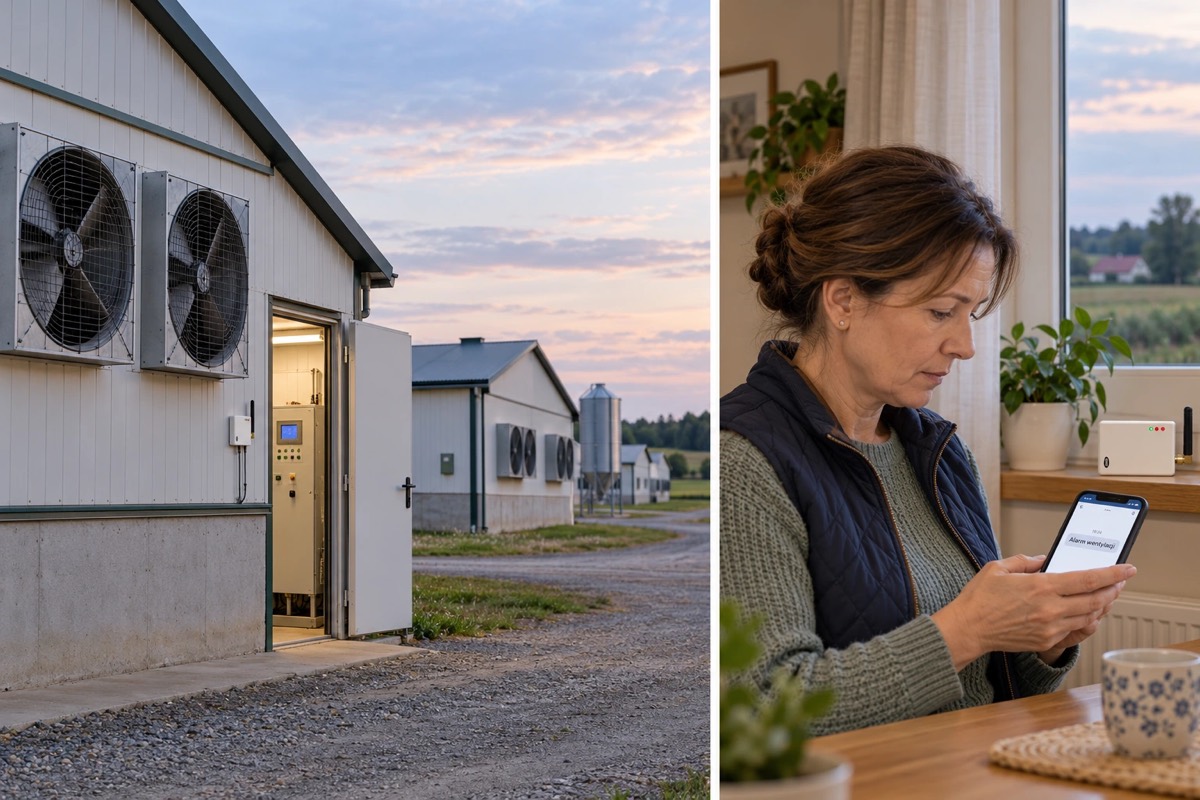
Two poultry houses 800 m from the owner’s home: the climate controller’s alarm reaches the owner’s phone by text and call, and a signal unit in the house by radio.
Agriculture
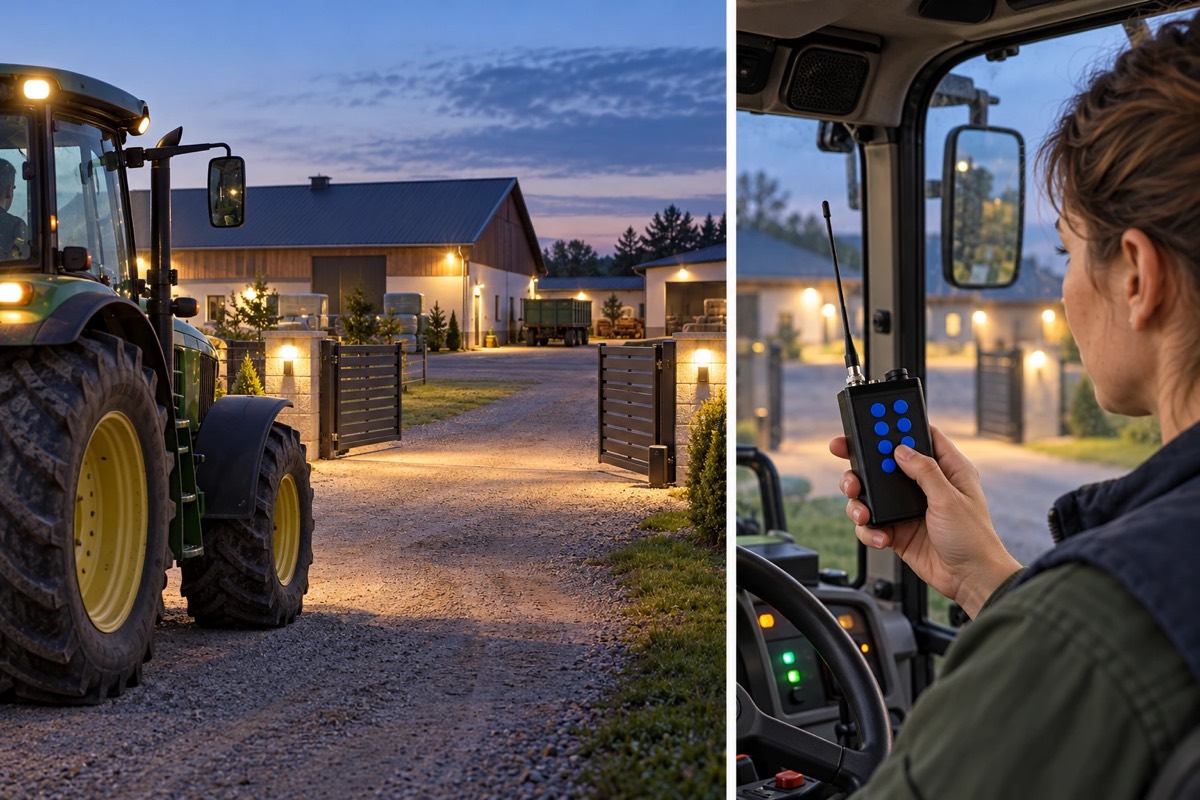
A farm where machines come back after dark: the driver opens the gate and switches on the yard lights with a remote control from the cab, without getting out.
A project for your site
Send us the key requirements — GORKE will help define the scope, the technology and the components that fit the investment.