RNX-101LOK
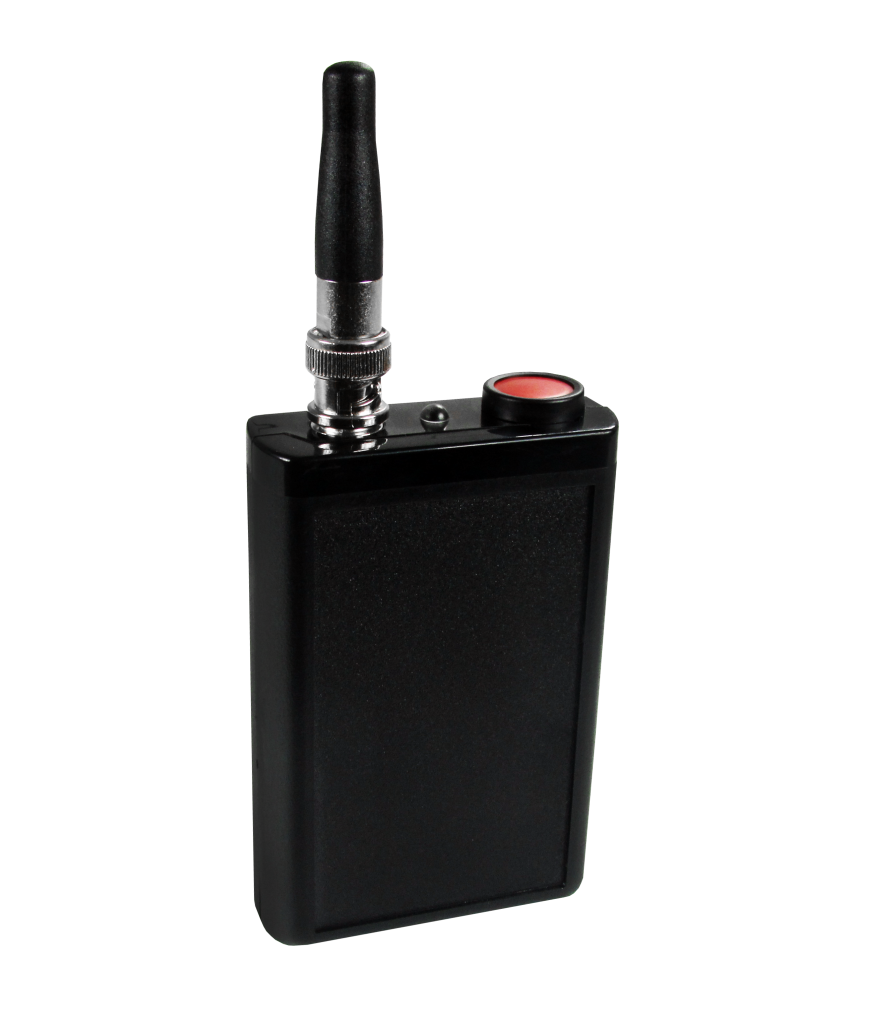
Single-key personal transmitter: reads the checkpoint on entering a zone and sends the call with that zone’s number. Two-way link, up to 5 km in open terrain.
Quantity: 20
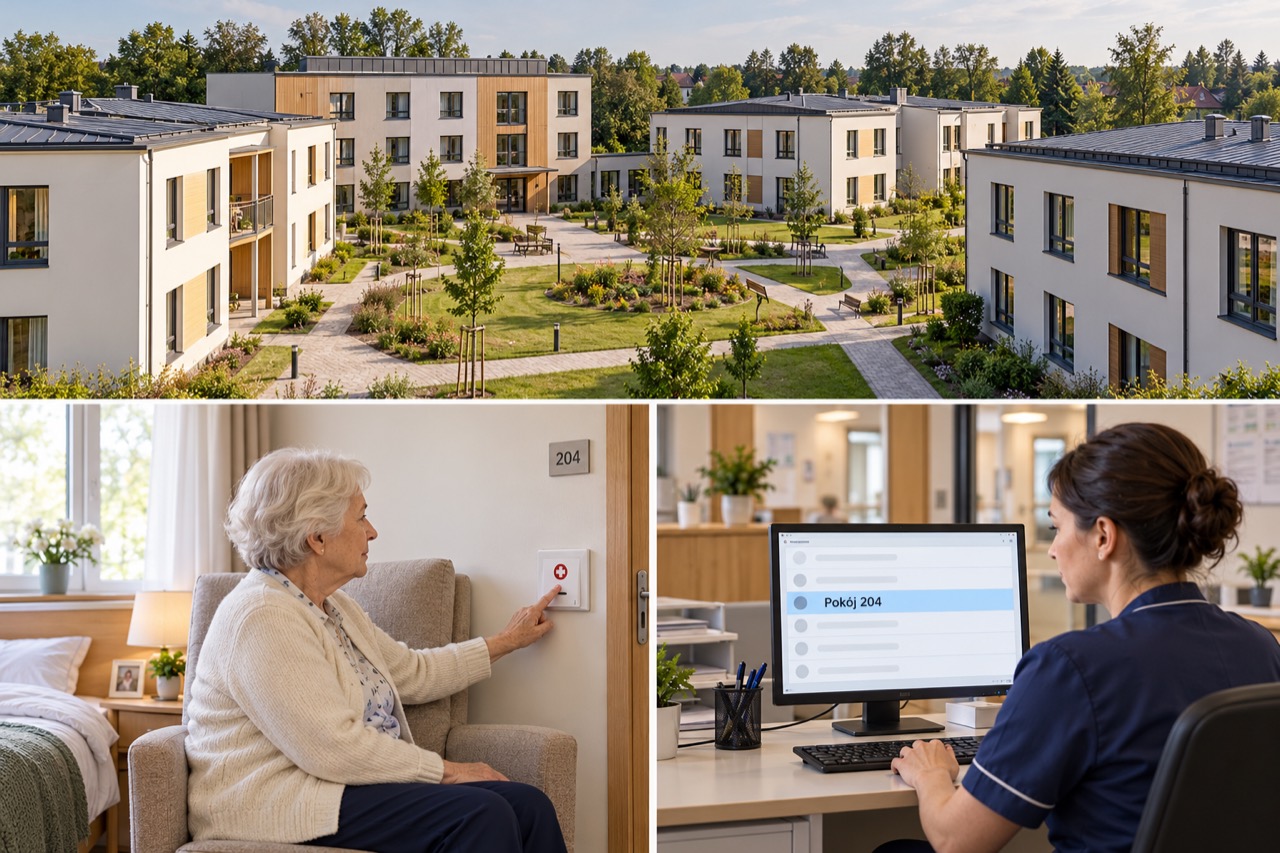
The LOK Zone Location System in the LX series: checkpoints in 25 zones, personal transmitters, a receiver in the duty room and staff pagers — for a centre where residents spend their time in three pavilions and a park.
01 / Investment context
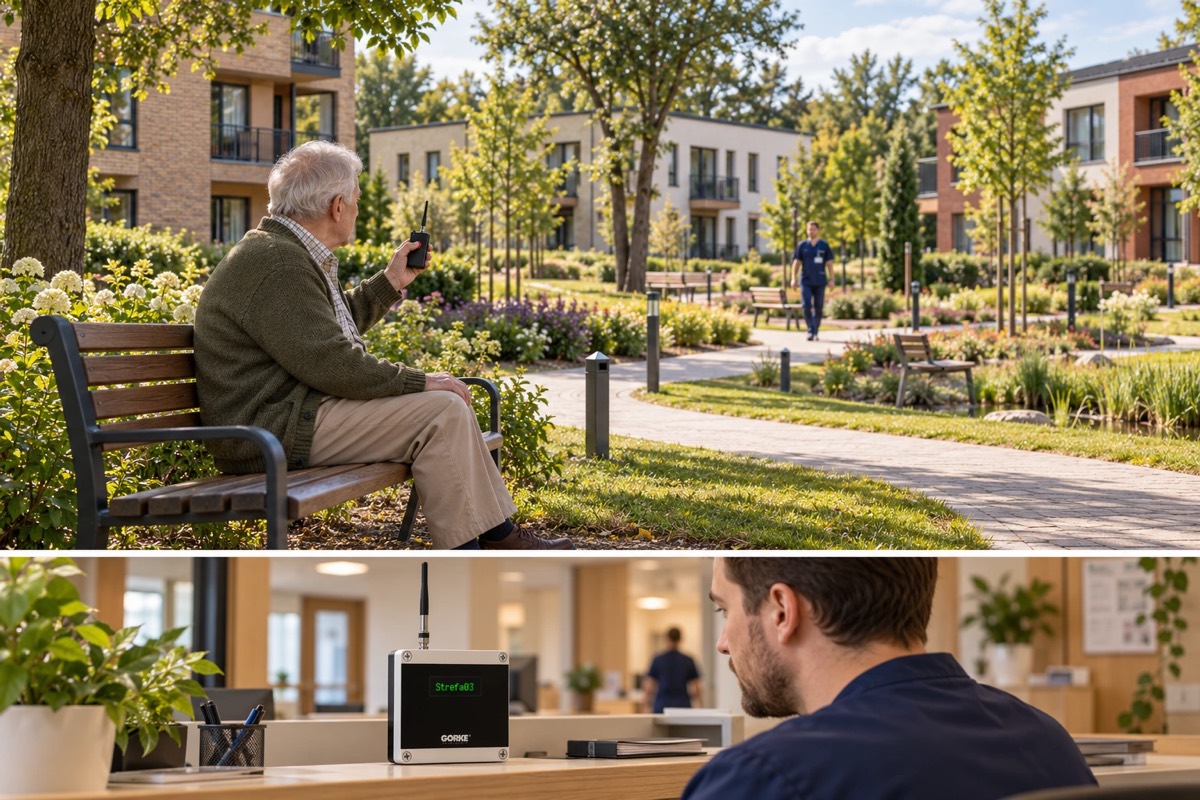
The care centre has three pavilions spread across a park and a duty room in the main building. Residents do not stay in one place: they go to activities in the common rooms, to meals in the dining rooms, for walks along the paths and to the gazebos. Staff also move between the pavilions and the grounds.
In a centre like this, a call on its own is not enough. If staff know only who is calling but not where they are, a carer has to go round three pavilions and the park before finding the person who fell on a path or felt unwell in a common room. Across extensive grounds and between buildings, ordinary short-range radio may not be enough either.
The investor’s goal: Each call should carry the number of the zone it was sent from and reach the duty room and the staff from anywhere in the centre — from the pavilions and from the park.
The centre is divided into 25 zones: corridors, common rooms and dining rooms in the pavilions, and paths, gazebos and entrances in the park. In each zone, at its entrance, there is a checkpoint (P1/LOK) in the form of a tag or a card. Residents and some of the staff wear a personal transmitter (RNX-101LOK) that reads the checkpoint on entering the zone — so a call carries not only the alarm but also the zone it was sent from.
In the duty room an LX identification receiver (IDX-1001U/E) shows on its display which transmitter called and from which zone, and stores the event in its buffer. Staff out on the grounds receive the call on pagers (OBI-4LX). The LX link is two-way: the transmitter confirms receipt, so the resident knows the call has got through.
The LX series reaches up to 4–5 km in open terrain and is also designed for difficult radio conditions. If the range test shows that the signal from the farthest pavilion does not get through reliably, a range extender (RTX-100BP) brings it into the same system.
02 / Operating principle
A call from a personal transmitter carries the number of the zone it was sent from and reaches the duty room and the pagers.
01 / Signal source
RNX-101LOK Personal transmitterReads the zone’s checkpoint and sends the call with that zone’s number.
02 / Reception
IDX-1001U/E Receiver in the duty roomShows who is calling and from which zone, and logs the event.
03 / Notification
OBI-4LX Staff pagersThe call reaches carers in the pavilions and in the park.
Carers go straight to the right zone. Checkpoints stand at the entrance to each of the 25 zones, and the transmitter confirms that the call was received.
A simplified functional diagram.
03 / Installation components
An example selection — the number of devices depends on the site.
Single-key personal transmitter: reads the checkpoint on entering a zone and sends the call with that zone’s number. Two-way link, up to 5 km in open terrain.
Quantity: 20
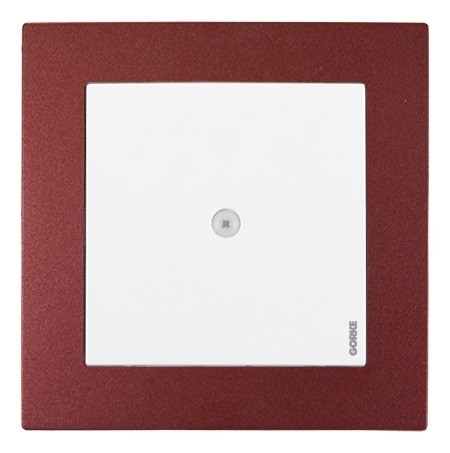
Zone checkpoint in the form of a tag or a card, at the entrance to a corridor, common room, dining room or a gazebo in the park.
Quantity: 25
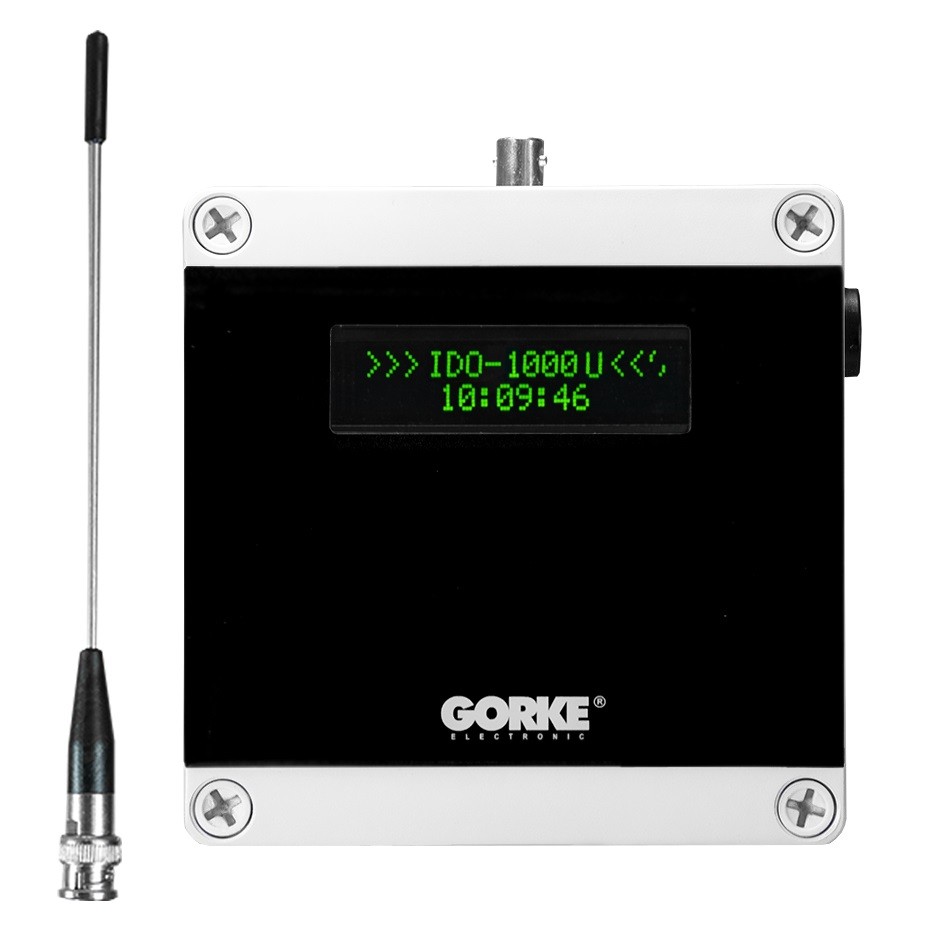
LX identification receiver in the duty room: its 26-character display shows the transmitter and the zone; it keeps an event buffer and stores up to 1,000 transmitters.
Quantity: 1
LX staff pager with an OLED display, charged wirelessly (Qi): the call reaches the carer in the pavilions and in the park.
Quantity: 4
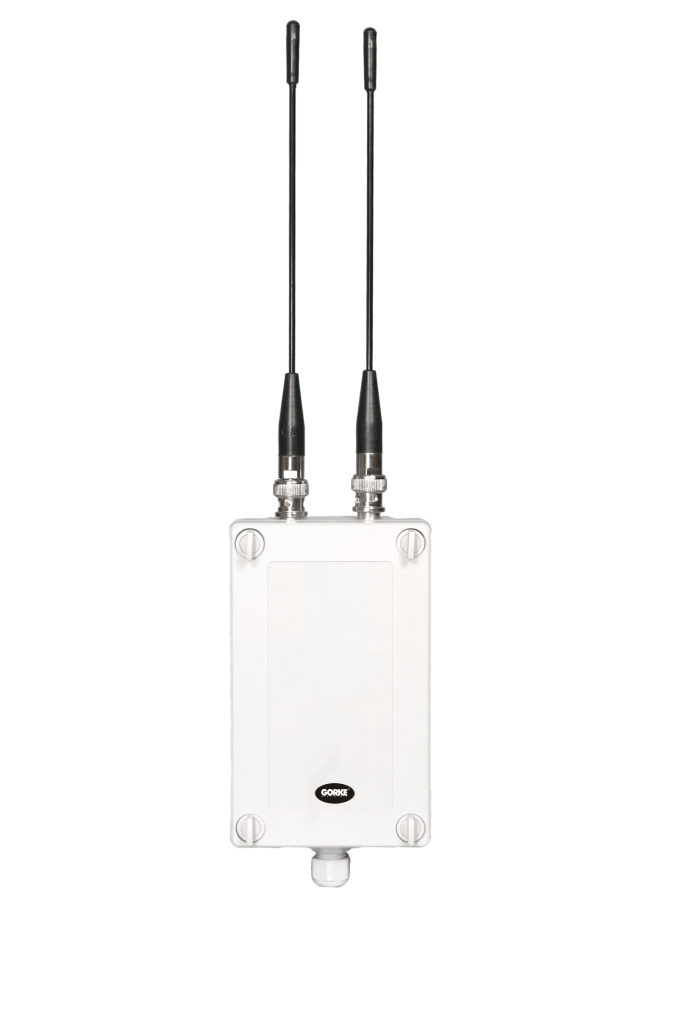
LX range extender in the farthest pavilion, if the range test calls for it — it brings that pavilion into the same system.
Quantity: optional
Catalogue figures describe a device under stated conditions, usually in open terrain, and are not a guaranteed range in every installation. Device quantities in the examples are indicative.
04 / Value for the investor
The carer goes straight to the common room, dining room or gazebo the call came from, instead of going round three pavilions and the park.
The LX link covers the pavilions and the park, and if needed a range extender adds the farthest building — with no cables between buildings.
The transmitter confirms receipt, so the person calling for help does not need to press repeatedly and knows the call has been received.
05 / Before installation
Before devices are chosen, what matters is the site’s conditions and how the system ties into the final installation.
Example configuration — it needs a technical selection for your site.
More from this sector
Care and health
A social care home in four buildings: calls from the rooms and bathrooms of about 200 residents reach four operator panels and 20 staff pagers.
Care and health
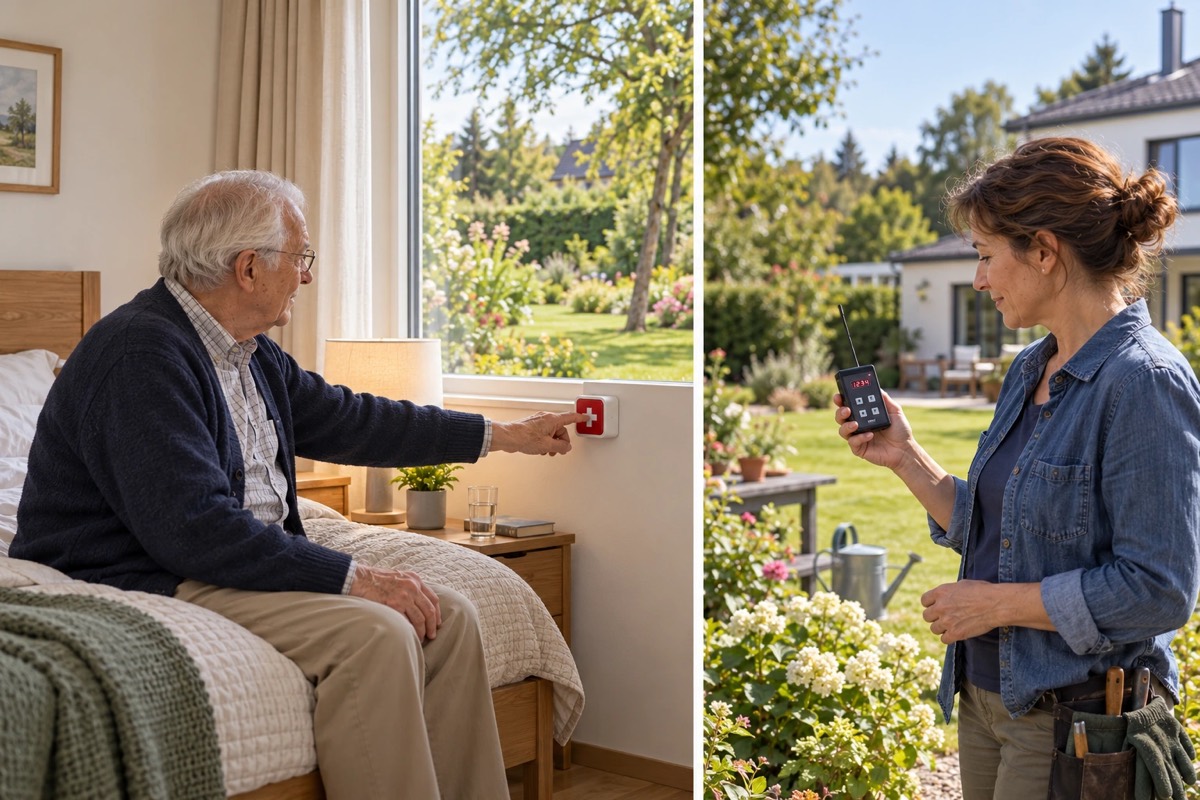
Home care: a large button with a tactile flap or a wrist transmitter sends the call straight to the carer’s pager — no control unit, no installation, in a single-family house.
Care and health
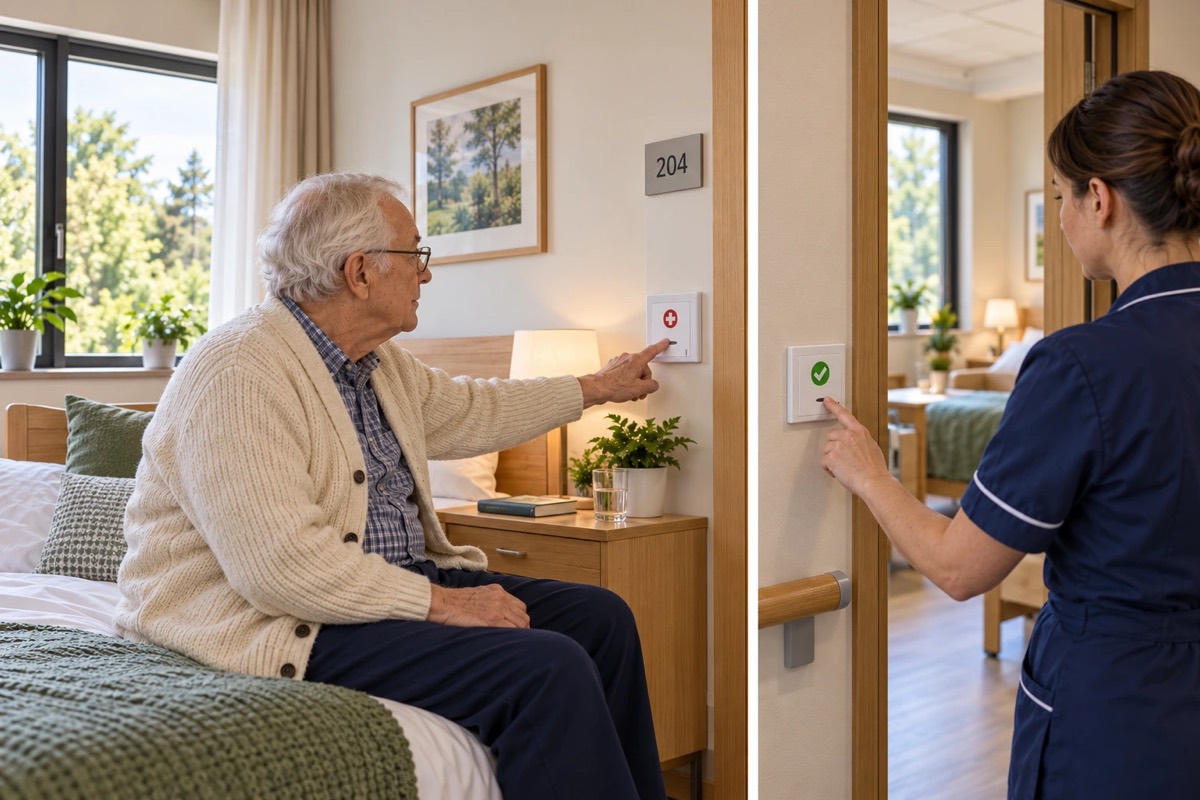
A care home with 32 rooms: a call from the bed or the bathroom shows above the door, at the nurses’ station and on the pager, and ends only at the resident’s side.
A project for your site
Send us the key requirements — GORKE will help define the scope, the technology and the components that fit the investment.