SPR-PK1/A/BAT/PT
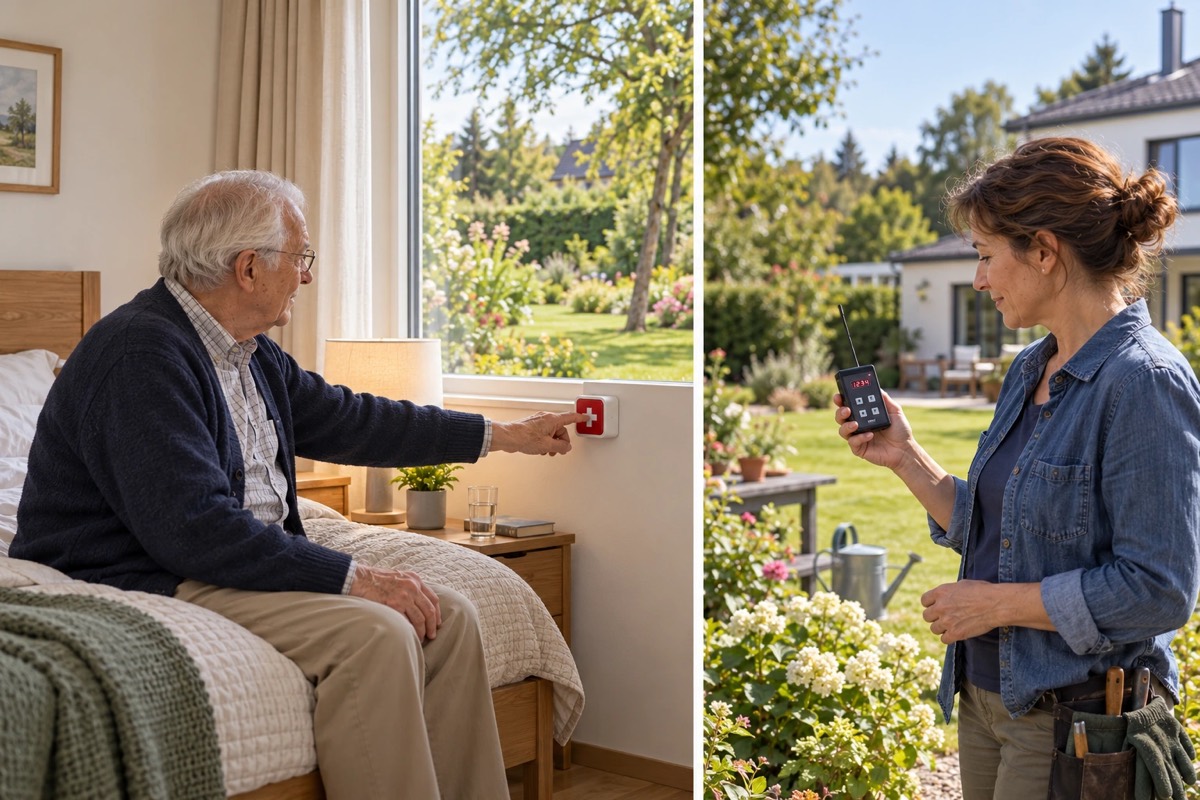
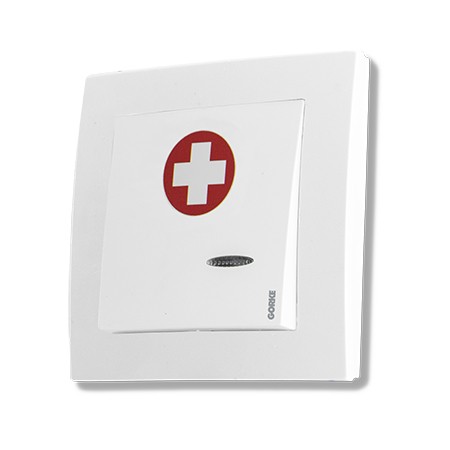
Call button at the bed, in a wall frame within reach of a lying resident. Battery-powered, no wiring.
Quantity: 32
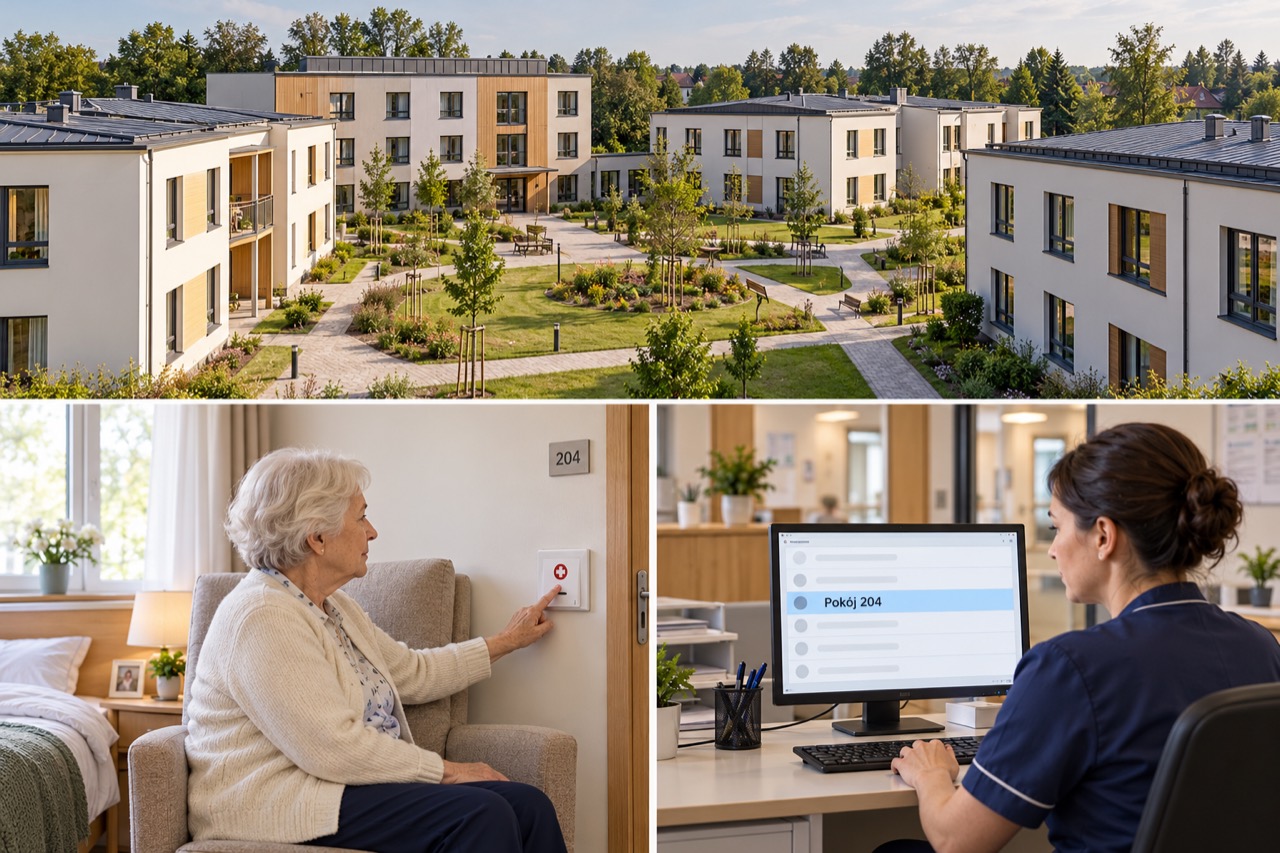
A nurse call system with battery-powered buttons for a two-storey care home: a bedside button, a pull cord in the bathroom, a signal unit above the door, a receiver at the nurses’ station and pagers for the carers.
01 / Investment context
The care home has 32 single rooms with bathrooms on two storeys. Some residents walk unaided, some use a walker, and a few need help every time they get out of bed. Three carers are on each shift, and for most of it they are working in the rooms rather than sitting at the nurses’ station.
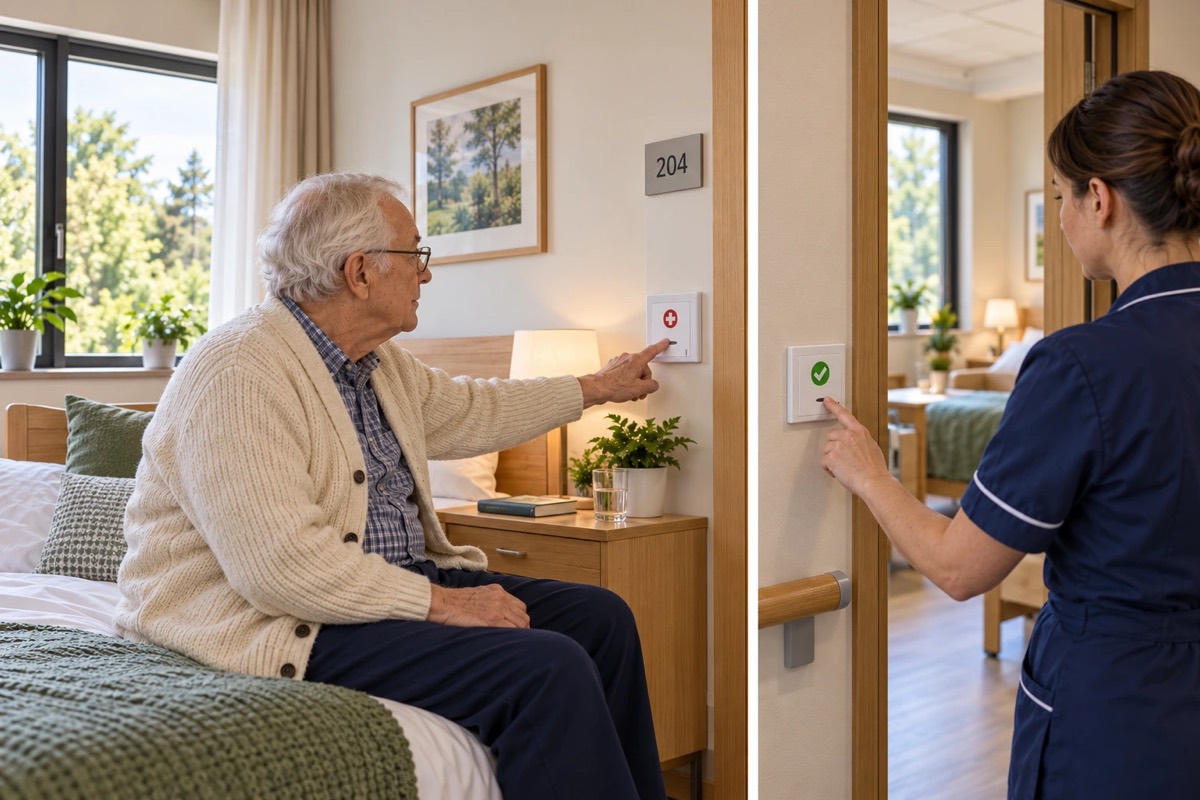
A resident who feels unwell in bed or faint in the bathroom must be able to call for help with one movement — from the bathroom even after a fall, lying on the floor. The carer must know at once which room and which spot the call came from, even while helping someone on the other storey. And the call itself must not disappear before someone has actually reached the resident.
The investor’s goal: Every call shows the room and the spot — bed or bathroom — reaches the carer wherever they are, and lasts until it is cancelled at the resident’s side.
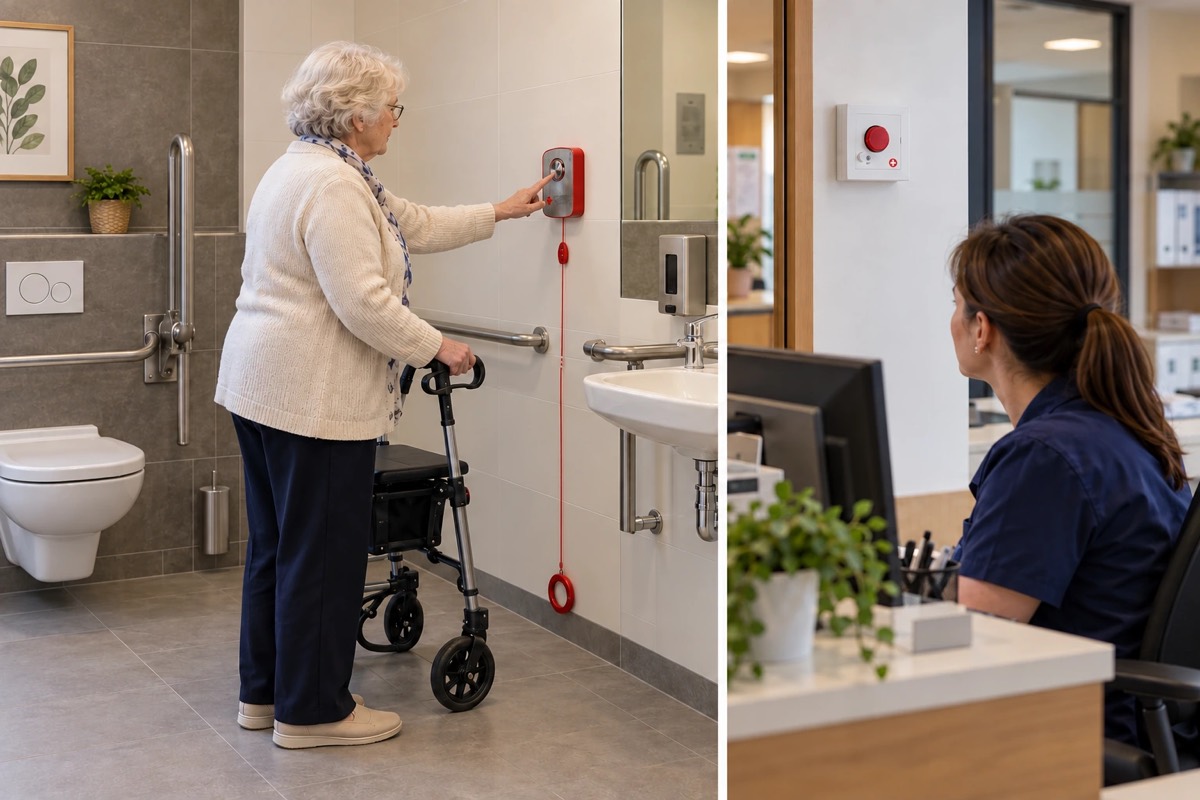
Every bed has an alarm button within reach of a lying resident (SPR-PK1/A/BAT). The bathroom has a pull-cord transmitter with an SOS key (SPR-PC2/AA/BAT): the cord reaches almost to the floor, so a resident who has fallen can still raise a call, and someone standing at the washbasin can use the key. Residents who walk a lot around the building and garden wear a pendant transmitter (SPR-P41). All transmitters run on batteries, so no cables are run to the wall buttons.
The call sets off the signal unit above the room door (BSO-400), so a carer in the corridor sees at once where to go. At the same time the receiver at the nurses’ station (IDO-1001U/E) shows the transmitter’s label, for example “Room 12 — bathroom”, and the carers’ pagers (OBI-4SH), in which each room is a separate zone, receive the call with that zone’s number — even when the carer is helping someone on the other storey. The signal units are powered by the system’s power supply (SPR-ZS1) mounted by the door.
The call stays on at the nurses’ station until the carer cancels it with the cancel button at the room entrance (SPR-PK1/K/BAT) — so it is cancelled on the spot, at the resident’s side. If the range test shows that the signal from the farthest rooms on the upper storey does not reach the nurses’ station reliably, a repeater (RTS-1000) with its own power supply (SPR-ZS1) carries it.
02 / Operating principle
A call from the bed or the bathroom shows above the door, at the nurses’ station and on the carers’ pagers.
01 / Signal source
Button and cord Battery-powered, no wiring Bed + BathroomThe resident presses the button or pulls the cord, even from the floor.
02 / Reception
IDO-1001U/E Receiver with labels at the nurses’ stationShows the transmitter’s label, e.g. “Room 12 — bathroom”.
03 / Notification
Carers Even on the other storey Signal unit + PagerThe light above the door marks the room, and the pager gives its number.
The call ends only at the resident’s side. It stays on the receiver at the nurses’ station until the carer cancels it with the cancel button at the room entrance.
A simplified functional diagram.
03 / Installation components
An example selection — the number of devices depends on the site.
Call button at the bed, in a wall frame within reach of a lying resident. Battery-powered, no wiring.
Quantity: 32
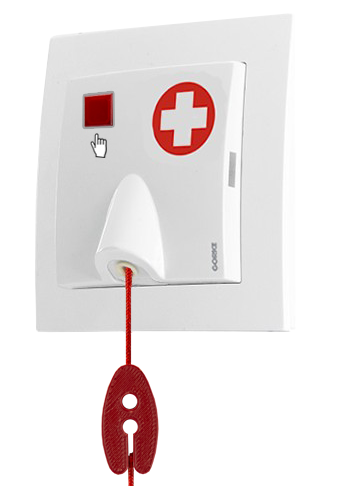
Bathroom transmitter: a call by the cord that reaches almost to the floor, or by the SOS key at the washbasin.
Quantity: 32
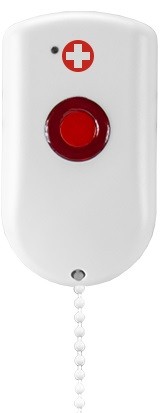
Pendant transmitter for residents who walk a lot around the building and garden — a call from anywhere.
Quantity: 8
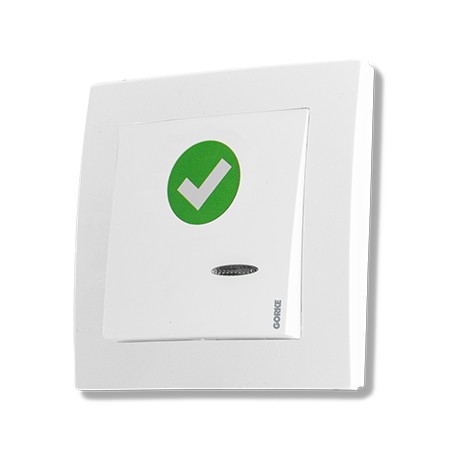
Cancel button at the room entrance: the carer ends the call with it once at the resident’s side.
Quantity: 32
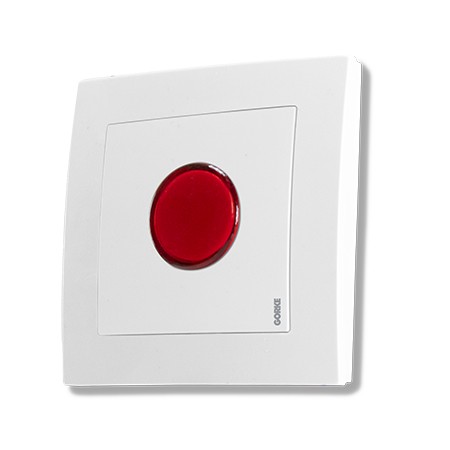
Light-and-sound signal unit above the room door: shows in the corridor where the call came from. Day and night modes, adjustable volume.
Quantity: 32
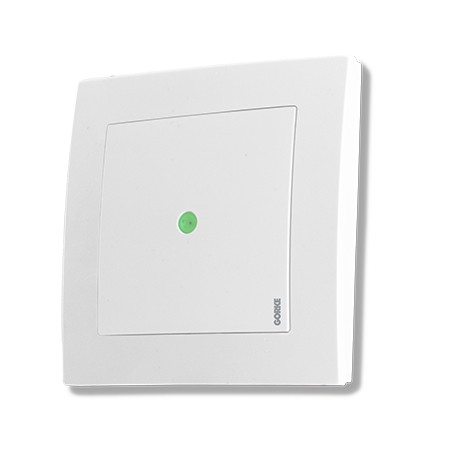
Mains power supply, 230 V AC, by the door; it powers the signal unit above the room entrance. One more powers the repeater, if one is needed.
Quantity: 32 (+1 with repeater)
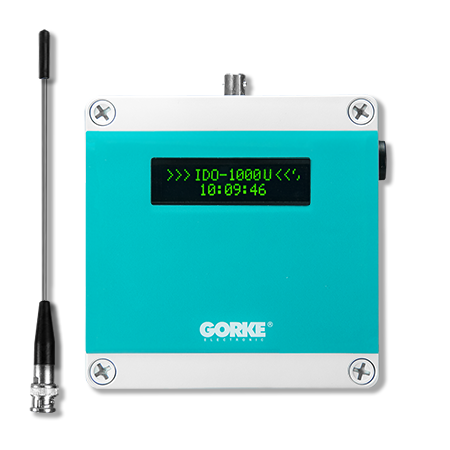
Receiver at the nurses’ station: shows the transmitter’s label, e.g. “Room 12 — bathroom”, and works with cancel buttons.
Quantity: 1
Carer’s pager: the call with the room number reaches the carer wherever they are. Charged by USB or wirelessly (Qi).
Quantity: 3
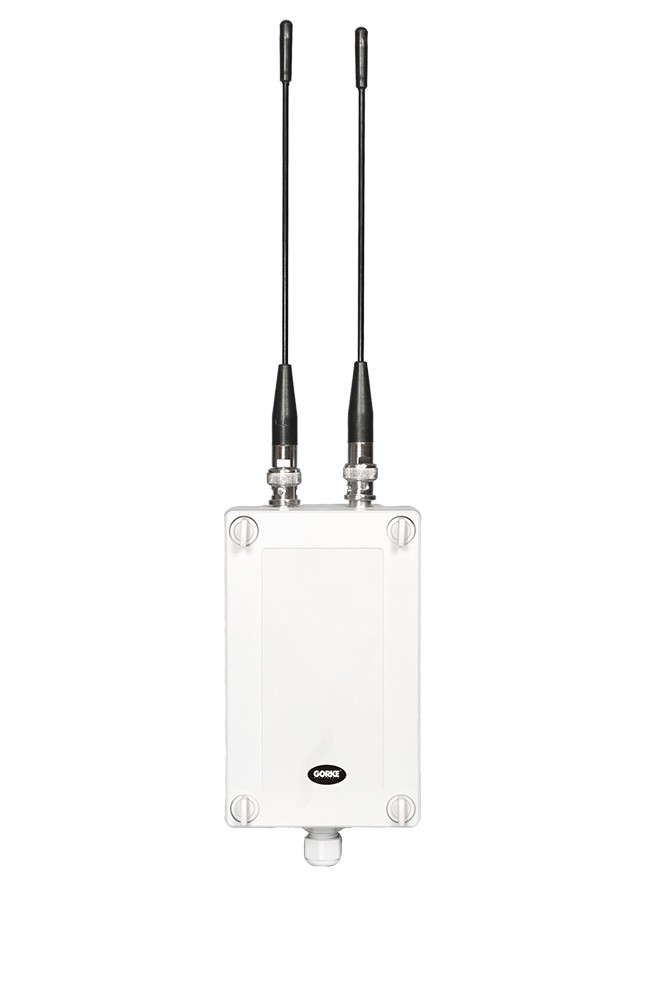
Repeater on the upper storey if the range test calls for it — it passes the signal on to the nurses’ station. Powered at 12 V DC from a system power supply.
Quantity: optional
Catalogue figures describe a device under stated conditions, usually in open terrain, and are not a guaranteed range in every installation. Device quantities in the examples are indicative.
04 / Value for the investor
It stays on at the nurses’ station until cancelled at the resident’s side, so nobody misses a call from the bathroom or ends it before a carer gets there.
The signal unit above the door, the label at the nurses’ station and the number on the pager lead straight to the room — no checking corridors on both storeys.
Buttons and cancel buttons run on batteries, so they go up without running cables, room by room, without moving residents out.
05 / Before installation
Before devices are chosen, what matters is the site’s conditions and how the system ties into the final installation.
Example configuration — it needs a technical selection for your site.
More from this sector
Care and health
A social care home in four buildings: calls from the rooms and bathrooms of about 200 residents reach four operator panels and 20 staff pagers.
Care and health
Home care: a large button with a tactile flap or a wrist transmitter sends the call straight to the carer’s pager — no control unit, no installation, in a single-family house.
Care and health
A clinic on two floors: a patient calls for help from an accessible toilet by key or pull cord, reception knows which toilet, and the call is cancelled at the patient’s side.
A project for your site
Send us the key requirements — GORKE will help define the scope, the technology and the components that fit the investment.