ORW-ALL
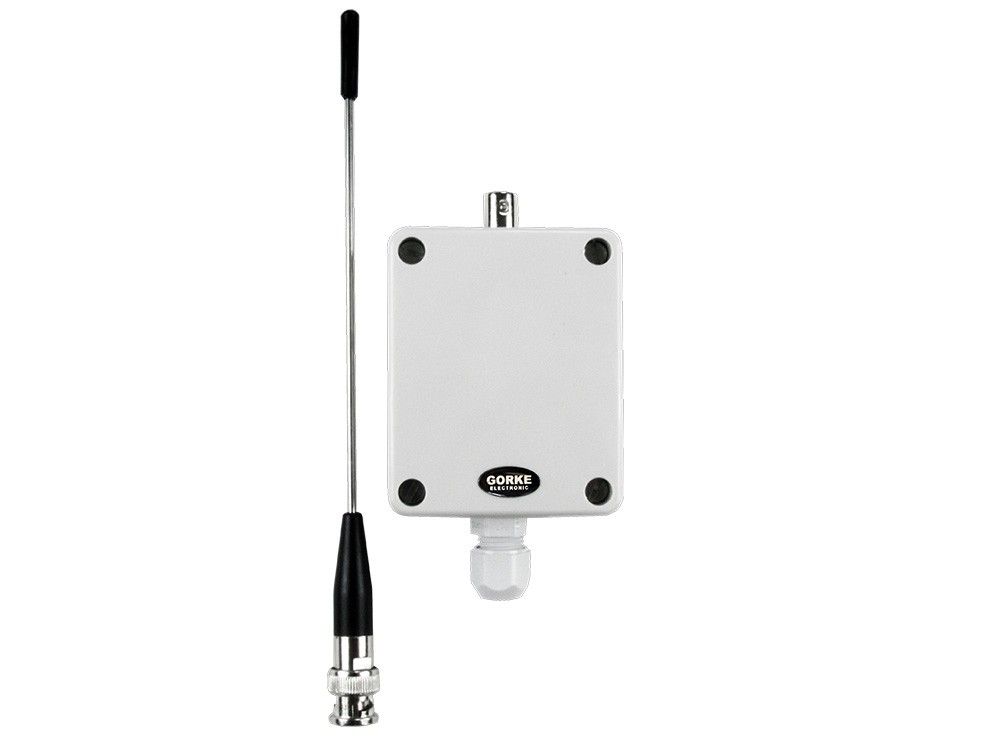
Wiegand receiver at the gate: accepts 433.92 MHz KeeLoq remotes from different manufacturers and passes their numbers to the controller like a reader. H2 module, cable to the controller up to 200 m.
Quantity: 1
A Wiegand receiver at the entrance gate brings the remotes tenants already keep in their cars into the access control — the operator no longer has to issue and collect remotes every time a tenant changes.
01 / Investment context
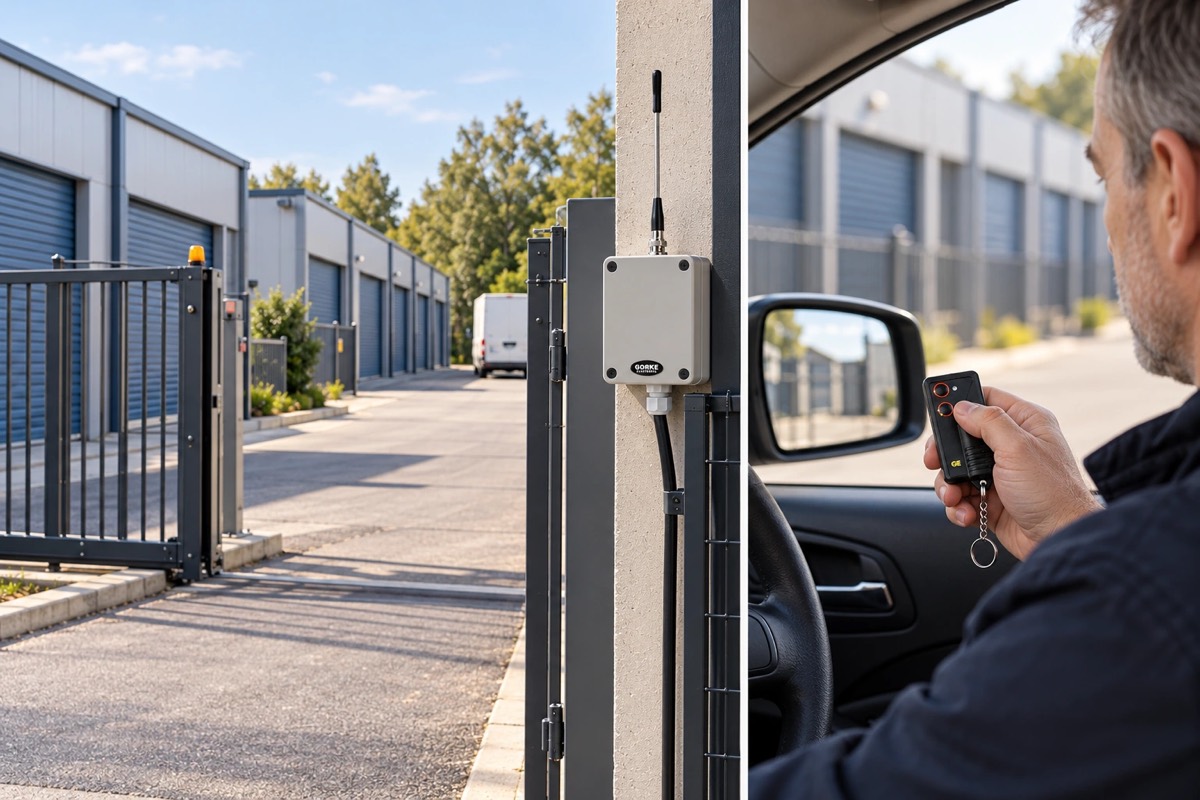
The complex has 80 storage units behind one entrance gate. Tenants arrive by car, often in the evening, when no staff are on site. The operator already has an access controller and wants the gate to open with a remote rather than a card or a code typed in through the car window.
The trouble is that tenants change. Every remote issued has to be collected at the end of the lease, and those that do not come back have to be replaced. Meanwhile some tenants already have a 433.92 MHz remote in the car — for their own garage or their estate gate — and would rather not carry another one.
The investor’s goal: Entry with the remote the tenant already has, and a GORKE remote for everyone else; the operator grants and withdraws rights in the controller, without issuing and collecting remotes at every change of tenant.
A Wiegand receiver (ORW-ALL) works at the gate. It accepts transmissions from any 433.92 MHz remote with KeeLoq code — including the garage remote the tenant keeps in the car, if that remote uses this standard — and passes its number to the access controller in the Wiegand protocol, just like a card reader.
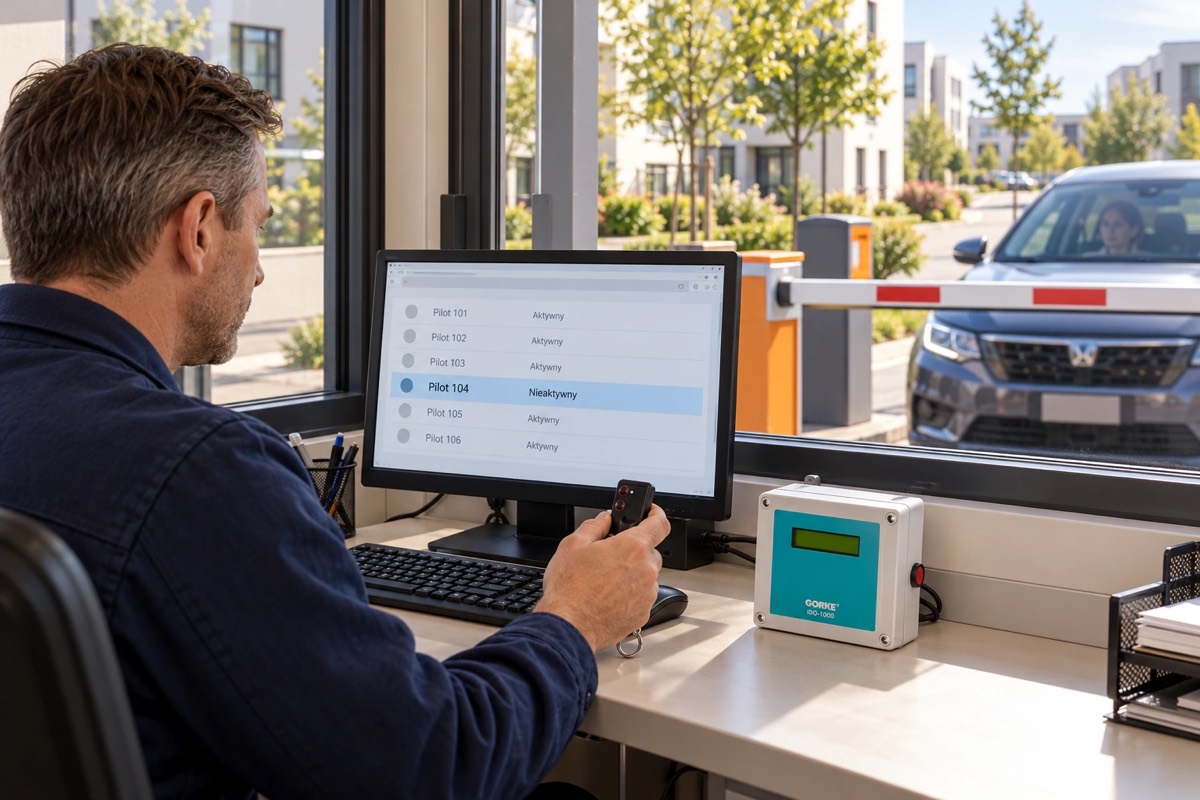
When the contract is signed, the operator checks the tenant’s remote and registers it in the controller as that tenant’s credential. A tenant without a compatible remote gets a GORKE remote (PUK-102), which the receiver accepts in the same way. When the lease ends, the operator removes the right in the controller: the tenant’s own remote stays with them but no longer opens the gate.
The receiver has an H2 module and a rod antenna on a BNC connector. It is mounted where it picks up approaching cars well, and a data line cable of up to 200 m connects it to the controller. The gate is opened by the controller via the drive’s control input — just as when a card is presented.
02 / Operating principle
A Wiegand receiver accepts the remotes tenants already have, and the operator’s access controller decides who may enter.
01 / Signal source
Tenant’s remote Their own or a GORKE remoteThe tenant opens the gate with the remote already in the car.
02 / Reception
ORW-ALL Wiegand receiver at the gateAccepts 433.92 MHz KeeLoq remotes and passes their numbers to the controller.
03 / Action
Entrance gate One gate, 80 unitsThe controller checks the right and opens the gate, just as when a card is presented.
The operator issues remotes only to those without a compatible one. When the lease ends, the operator removes the right in the controller: the tenant’s own remote stays with them but no longer opens the gate.
A simplified functional diagram.
03 / Installation components
An example selection — the number of devices depends on the site.
Wiegand receiver at the gate: accepts 433.92 MHz KeeLoq remotes from different manufacturers and passes their numbers to the controller like a reader. H2 module, cable to the controller up to 200 m.
Quantity: 1
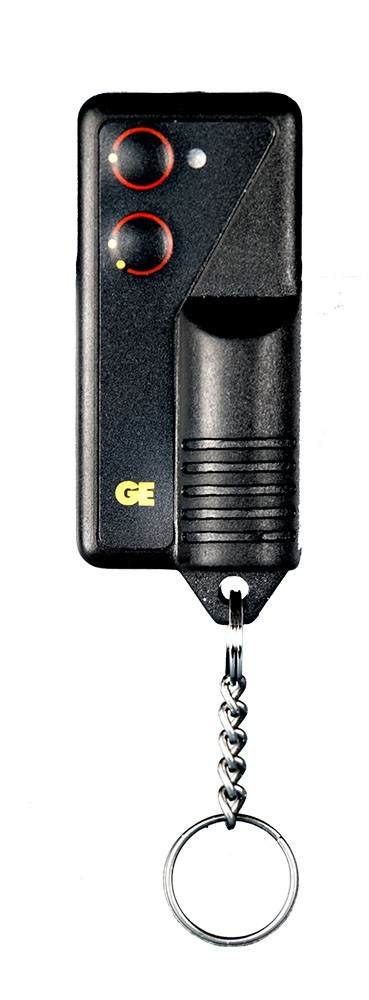
GORKE remote for tenants whose own remote does not work at 433.92 MHz with KeeLoq code. Two buttons, rolling code.
Quantity: as needed
Catalogue figures describe a device under stated conditions, usually in open terrain, and are not a guaranteed range in every installation. Device quantities in the examples are indicative.
04 / Value for the investor
Tenants open the gate with the remote from their own car, and the operator issues remotes only to those without a compatible one — and only those have to be recovered later.
The right expires in the controller, so when the lease ends the remote stops opening the gate even though it stays with the former tenant.
Tenants also arrive in the evening and open the gate themselves, and the operator does not need to keep staff on duty at the gate.
05 / Before installation
Before devices are chosen, what matters is the site’s conditions and how the system ties into the final installation.
Example configuration — it needs a technical selection for your site.
More from this sector
Housing and property
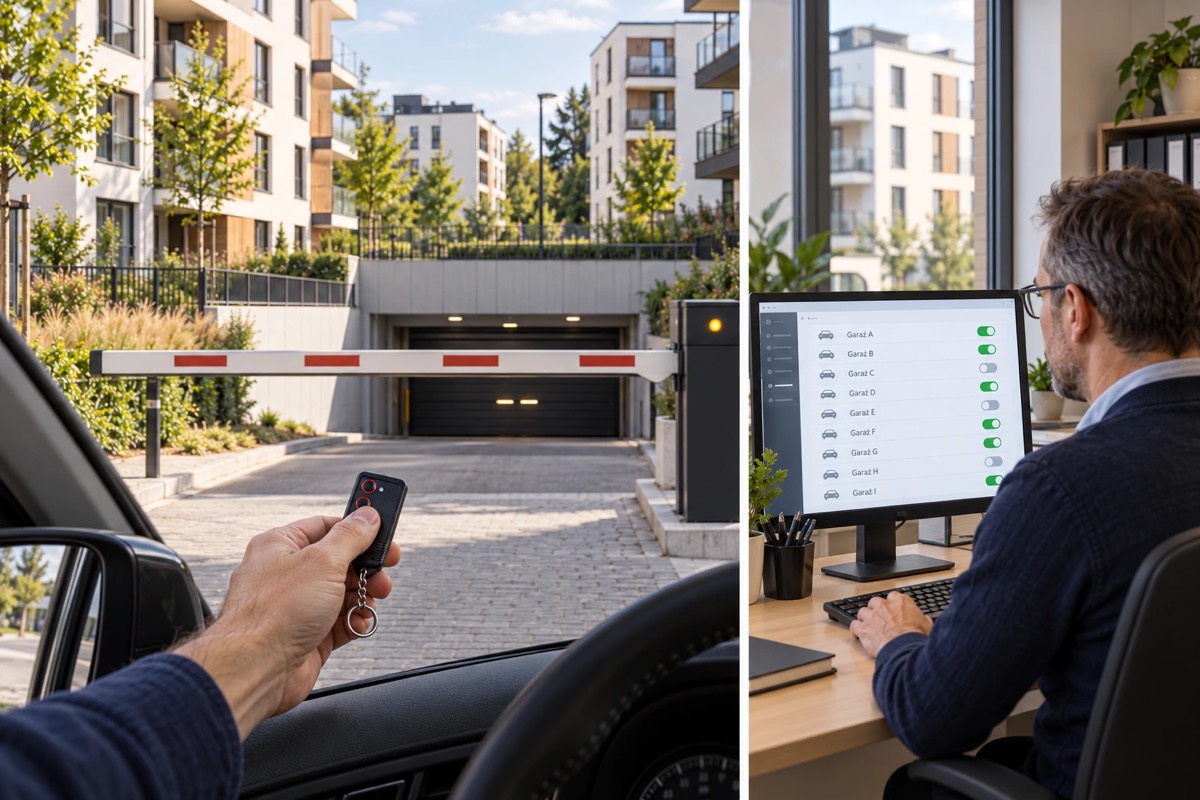
A housing estate in Katowice: one remote control opens the shared barrier and the car park gate of the resident’s part of the estate, and the investor manages the rights of more than 2,000 remotes over the IP network.
Housing and property
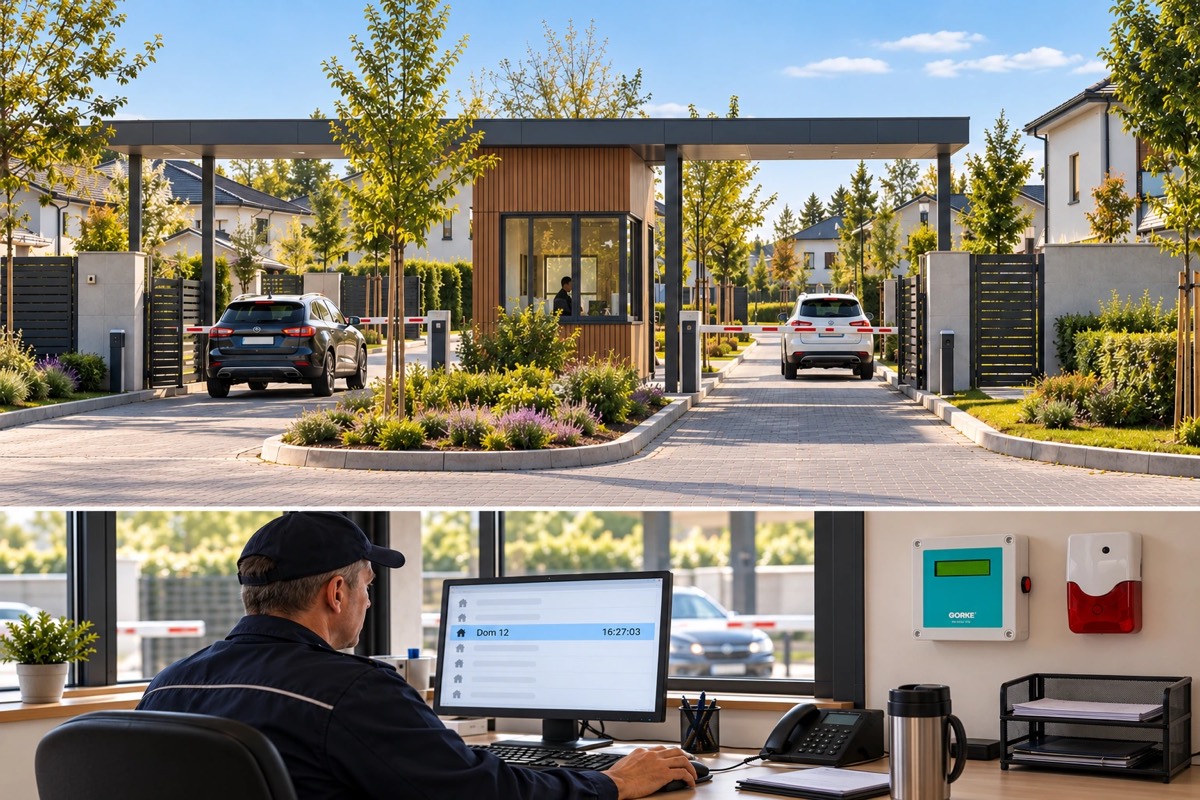
86 houses and about 400 users: a remote control opens the estate gates, and the security staff see on screen in which house an alarm has gone off.
Housing and property
A proposal for a car park with several hundred subscribers and high turnover: remotes blocked for non-payment, lost ones deleted, and an event archive with customer data — all in one program.
A project for your site
Send us the key requirements — GORKE will help define the scope, the technology and the components that fit the investment.