PUX-303
LX transmitter for a guard on patrol: 3 keys — backup, incident, site procedure. Confirms receipt with an LED, a buzzer and vibration. Up to 4 km in open terrain.
Quantity: 3
Three-key LX transmitters with receipt confirmation for the guards on patrol, an identification receiver with a signal unit in the guardhouse, and pagers that alert the others on site.
01 / Investment context
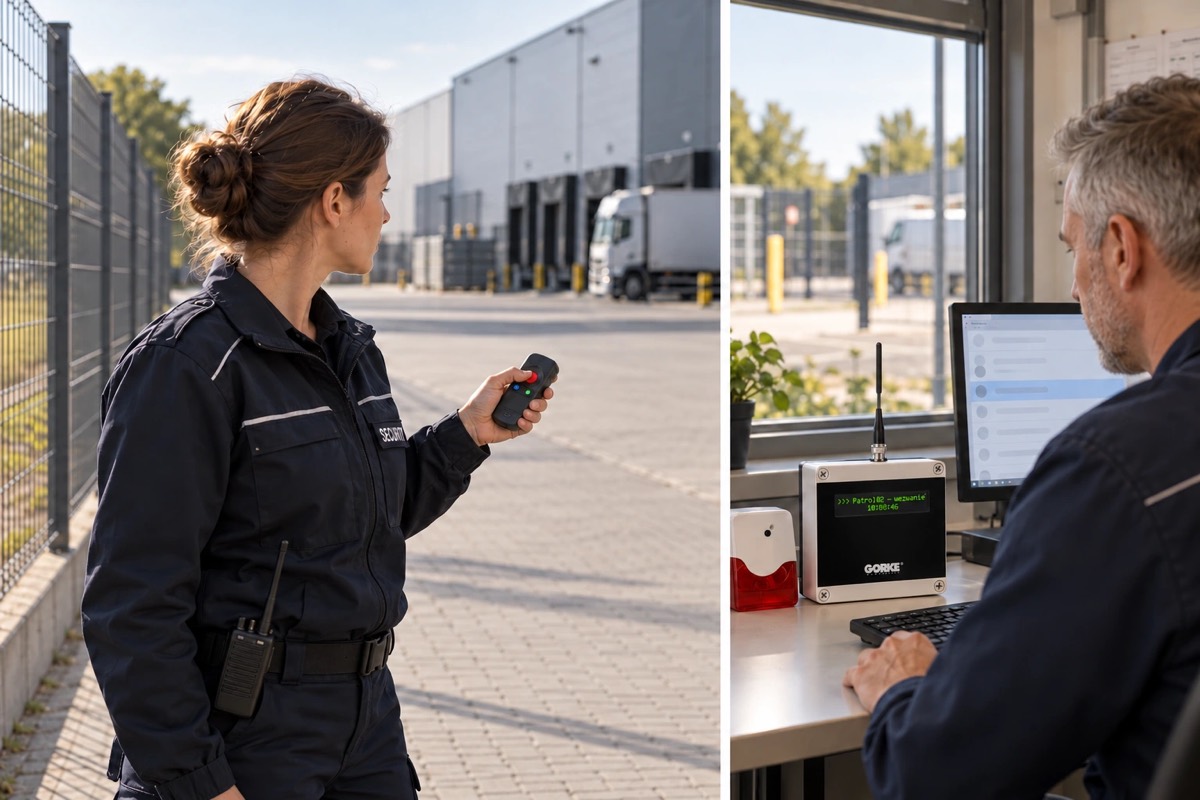
The plant covers 20 hectares: halls, storage yards, a car park and the perimeter fence along which the patrol route runs. On each shift three security guards walk the site while one person stays in the guardhouse at the gate. On the far stretch of the route a guard is several hundred metres from the guardhouse, often behind a building.
When something happens on the patrol that one person should not handle alone — an open hall door, a stranger in the yard, an injury — the guard must call for backup with one movement and without talking. A two-way radio means speaking, and even then there is no certainty that anyone heard the call. The guard needs to know that the call got through, and the guardhouse needs to know who is calling and why.
The investor’s goal: A call for backup from anywhere on the site, confirmed in the guard’s hand, with the guardhouse told who is calling and with which key.
Each guard on patrol carries a three-key LX transmitter (PUX-303) designed for security systems: key 1 is a call for backup, key 2 reports a fault or an incident, key 3 follows the site’s procedure. The link is two-way: once the guardhouse has received the call, the transmitter confirms it with an LED, a buzzer and vibration, so the guard does not have to look at the device.
In the guardhouse an LX identification receiver (IDX-1001U/E) shows which transmitter called and with which key — e.g. “Patrol 2 — backup” — and keeps the events in its buffer. Its output switches on a signal unit (SWR-108) fed from a buffered power supply, so the call can also be heard at the gate. The other guards on site receive the call on LX pagers (OBI-4LX) and can set off to help straight away.
On a site with many buildings a range test checks the coverage; if part of the route lies in a radio shadow, a range extender (RTX-100BP) covers it without changing the transmitters. If the plant wants an archive of calls on a computer, the receiver works with the Tablica Synoptyczna software (SPA-1000/PR).
02 / Operating principle
A guard on patrol calls for backup with one key. The guardhouse sees who is calling, and the others get the call on their pagers.
01 / Signal source
PUX-303 Transmitter of a guard on patrolCalls for backup or reports an incident with one key, without speaking.
02 / Reception
IDX-1001U/E LX receiver in the guardhouseShows “Patrol 2 — backup” and confirms receipt to the transmitter.
03 / Notification
Security Guardhouse and the others on patrol Signal unit + PagersThe signal unit can be heard at the gate, and the others get the call on their pagers.
The guard feels in the hand that the call got through. The transmitter confirms receipt in the guardhouse with an LED, a buzzer and vibration — no need to look at the device or repeat the call.
A simplified functional diagram.
03 / Installation components
An example selection — the number of devices depends on the site.
LX transmitter for a guard on patrol: 3 keys — backup, incident, site procedure. Confirms receipt with an LED, a buzzer and vibration. Up to 4 km in open terrain.
Quantity: 3
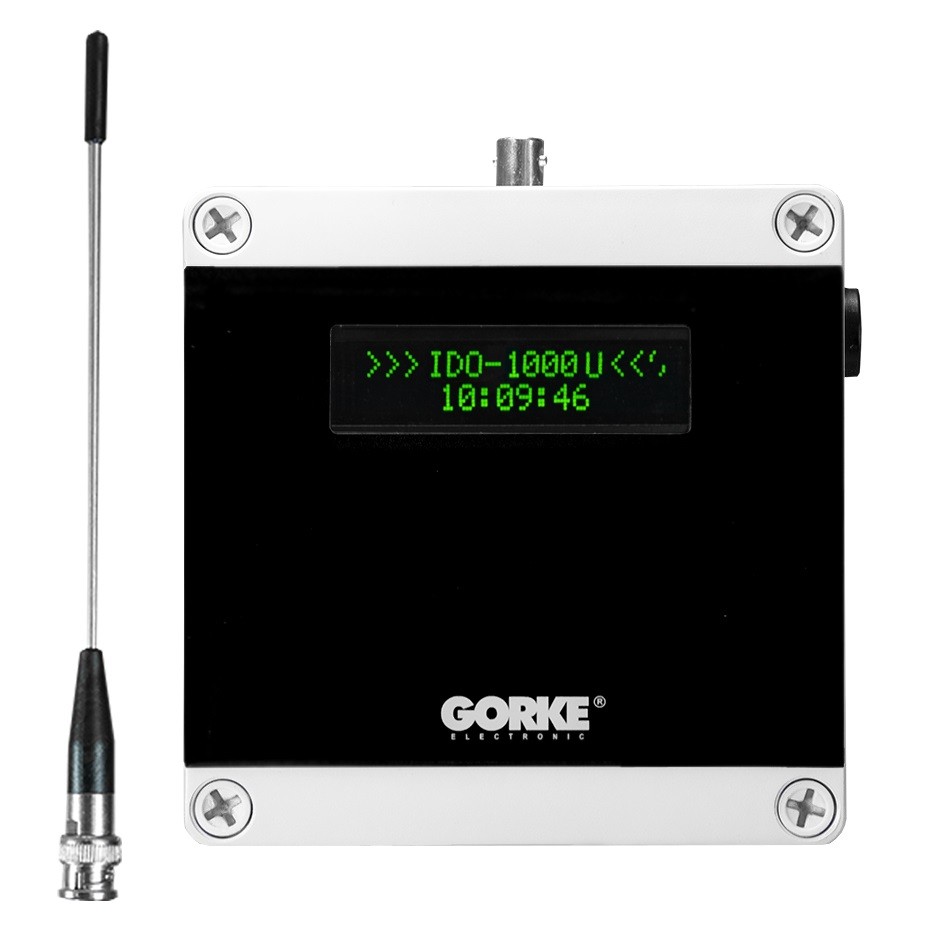
LX identification receiver in the guardhouse: displays the transmitter’s name and the type of report, keeps events in a buffer, and switches on the signal unit via its output.
Quantity: 1
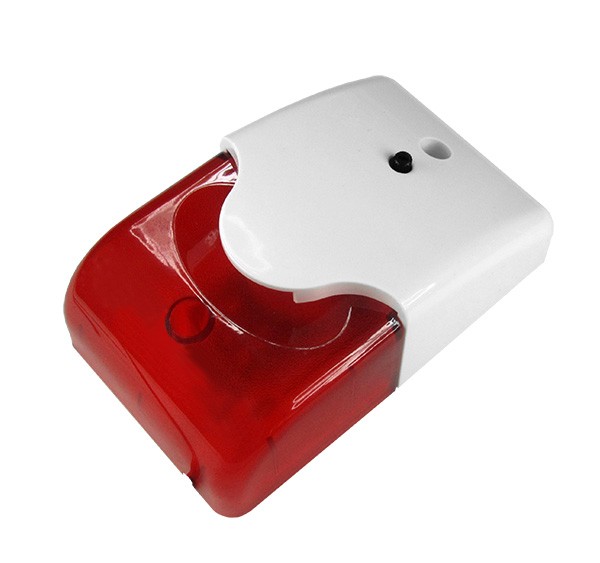
Light-and-sound signal unit in the guardhouse with volume control — the call can also be heard at the gate. 12 V DC supply.
Quantity: 1
LX pager for each guard on patrol: a colleague’s call for backup reaches the others wherever they are on the site.
Quantity: 3
Powers the signal unit in the guardhouse; the battery keeps it running during a mains failure.
Quantity: 1
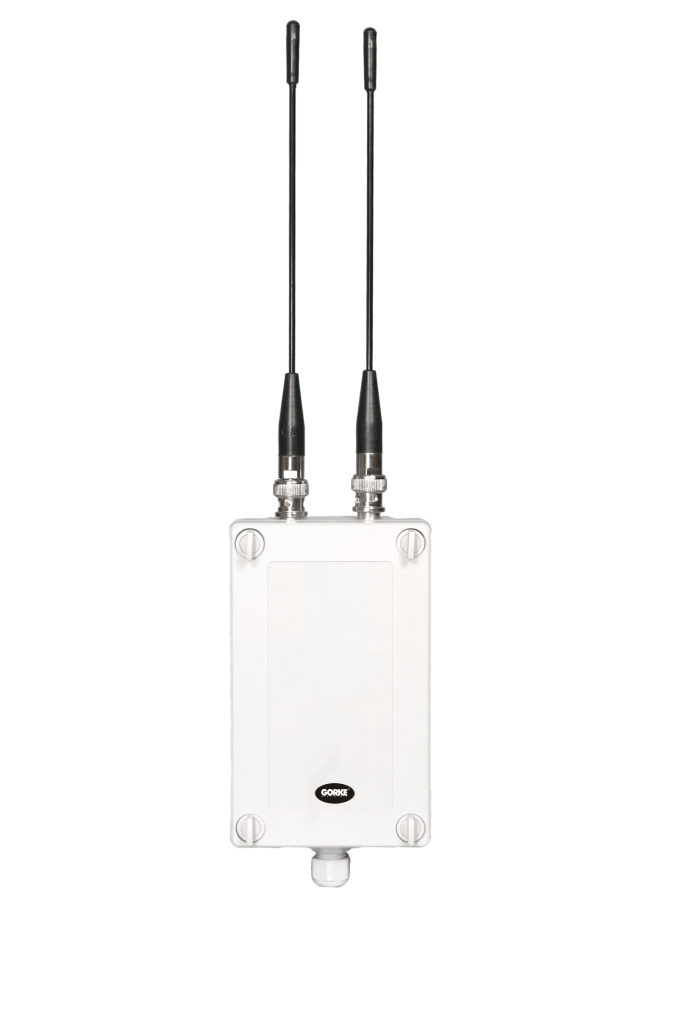
LX range extender at the spot chosen by the range test, if part of the route lies in a radio shadow behind buildings; handles up to 600 transmitters.
Quantity: per range test
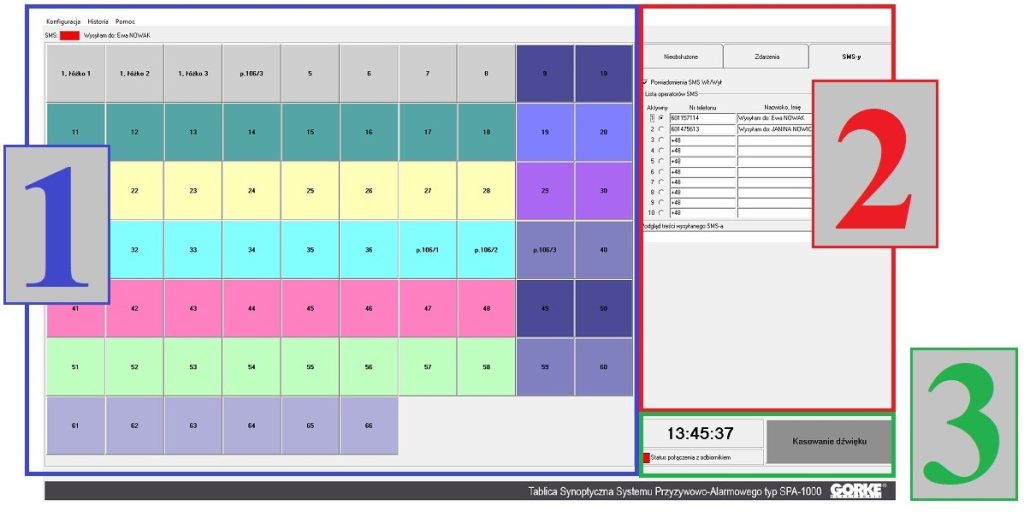
Tablica Synoptyczna software on the guardhouse computer: an archive of calls with the time, transmitter name and type of report.
Quantity: optional
Catalogue figures describe a device under stated conditions, usually in open terrain, and are not a guaranteed range in every installation. Device quantities in the examples are indicative.
04 / Value for the investor
Vibration and a signal in the transmitter confirm receipt in the guardhouse, so the guard does not repeat the call or reach for a phone.
The LX link has a range of several kilometres in open terrain, and an extender covers any radio shadow behind buildings that the range test reveals — with no cables across the site.
The guardhouse sees the guard and the type of report, and the others on patrol get the call on their pagers and set off before anyone phones them.
05 / Before installation
Before devices are chosen, what matters is the site’s conditions and how the system ties into the final installation.
Example configuration — it needs a technical selection for your site.
More from this sector
Industry
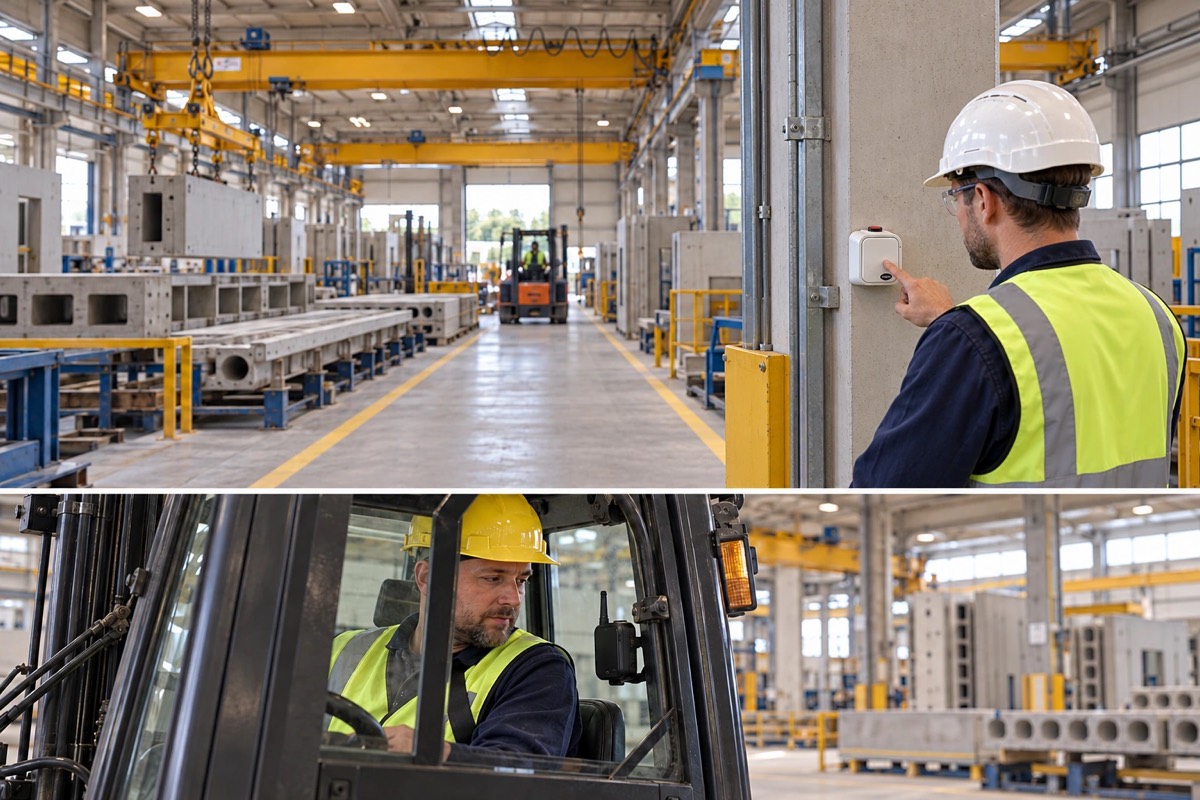
A precast concrete plant: a worker calls a forklift from the workstation, and the operator knows where the call came from — without extensive cabling across the hall.
Industry
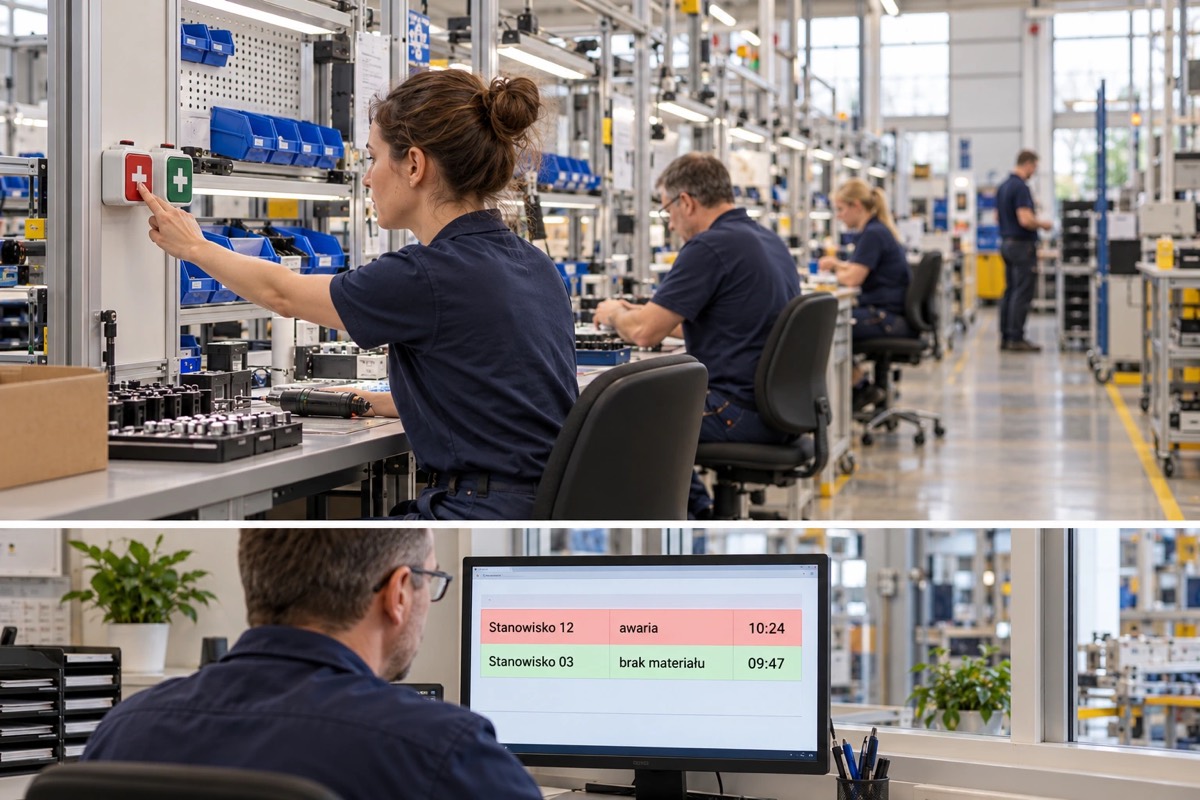
An assembly line with 20 workstations: two buttons at each one separate breakdowns from material shortages, and Tablica Synoptyczna logs the time from call to cancellation.
Industry
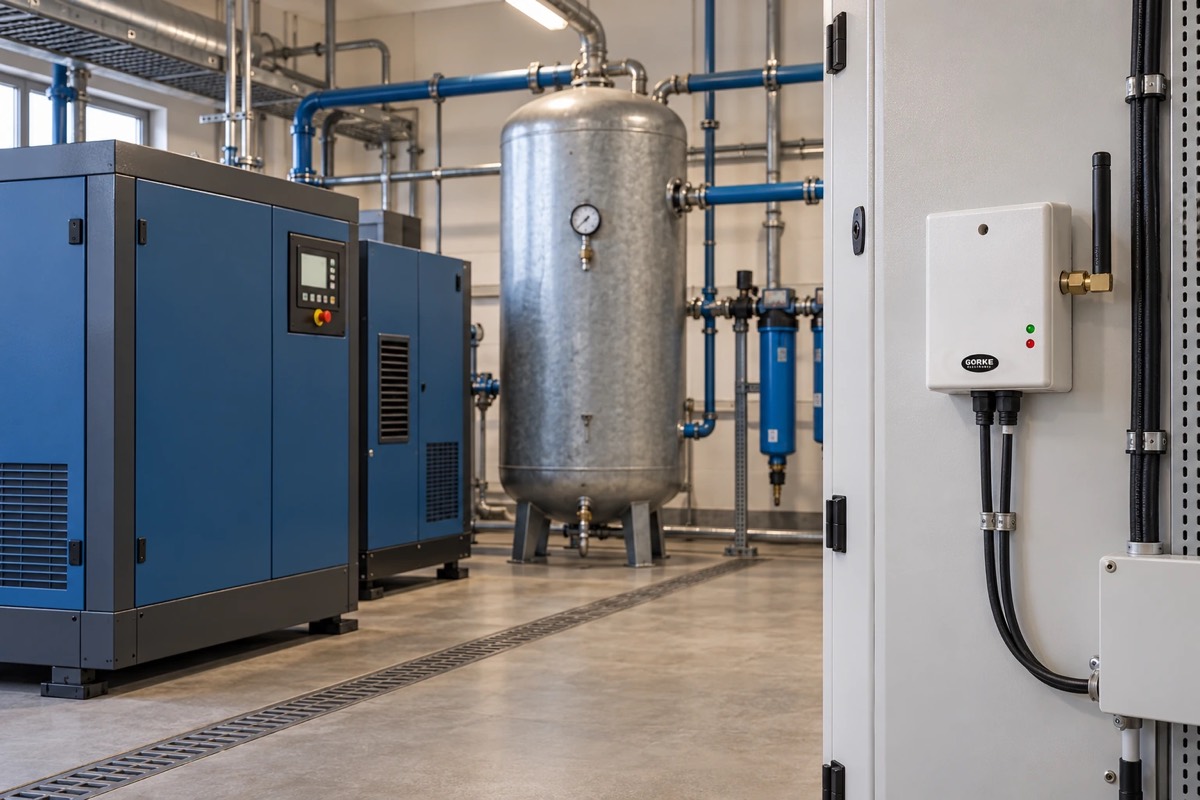
A compressor house 300 m from the maintenance office, behind a steel hall: two alarm states from the controller travel there by LX radio and, after hours, by text to the person on call — no cable across the site.
A project for your site
Send us the key requirements — GORKE will help define the scope, the technology and the components that fit the investment.