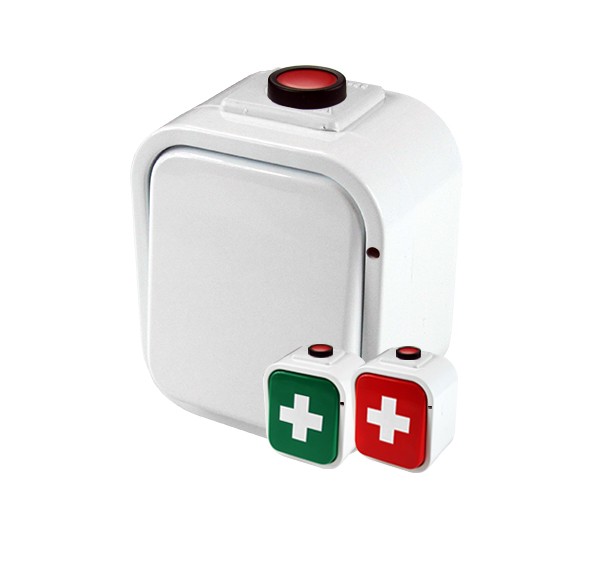
PNH-201C
Breakdown button at the workstation, in the red-flap version: a call for maintenance, repeated every 30 s until cancelled on the spot. Battery-powered.
Quantity: 20
Buttons with red and green flaps at every workstation, a receiver with Tablica Synoptyczna in the maintenance department, pagers for technicians and logistics staff, and a text message to the night-shift supervisor.
01 / Investment context
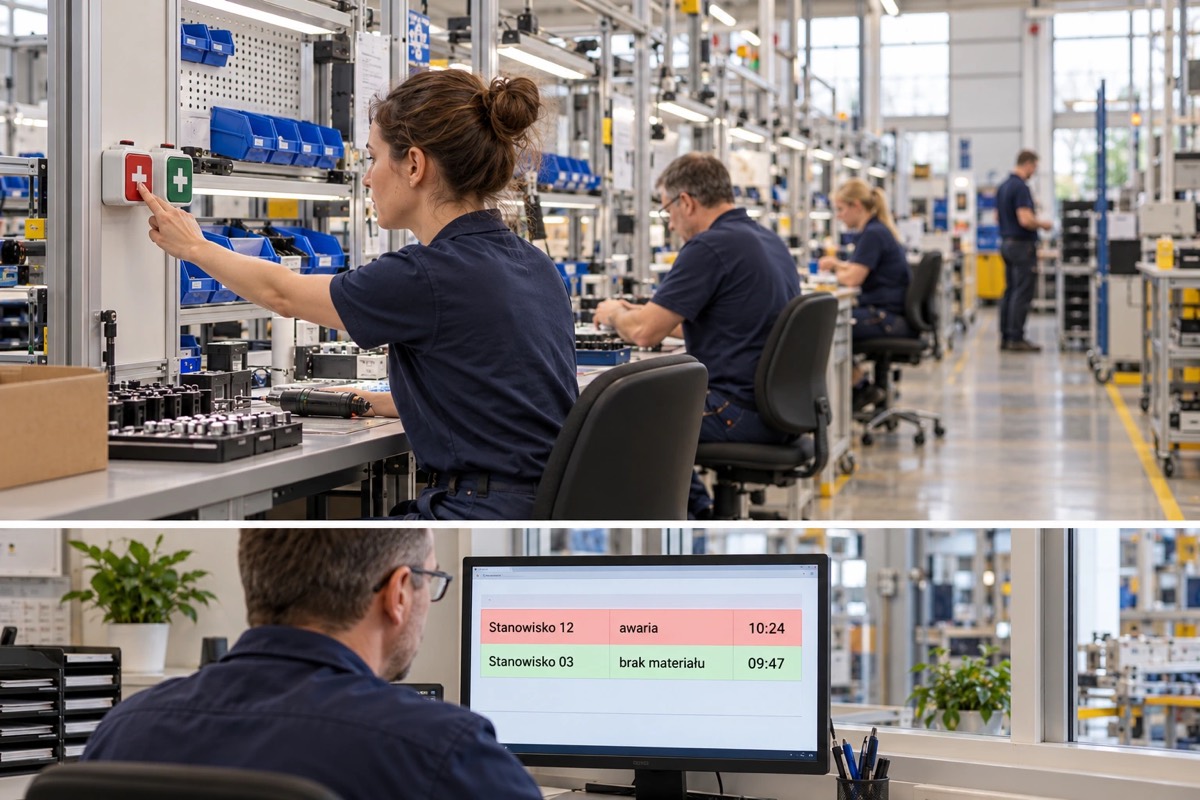
The assembly line has 20 workstations. When one of them stops, the worker has to tell the right person: a technician if a tool or a machine has stopped, or logistics if material has run out. Without a signal from the workstation, they do it by leaving the job and looking for the team leader — and by then it is not only their own workstation that is standing still.
From a distance both kinds of stoppage look the same, yet different people respond to them. A technician called to a material shortage loses time, and a logistics worker cannot clear a fault. Nobody knows how long the response took, either, so any discussion of how work is organised rests on impressions rather than data.
The investor’s goal: A call sent from the workstation with a single button reaches the right person, lasts until it is cancelled on the spot and leaves the response time in the archive.
Each workstation has two sealed buttons with a cancel key (PNH-201C): one with a red flap for breakdowns and one with a green flap for material shortages. The call repeats every 30 seconds until the person who has come cancels it with the key on the same button — so cancelling happens at the workstation, not in an office.
In the maintenance department an identification receiver (IDO-1000) passes the calls to Tablica Synoptyczna on a touch-screen computer (SPA-1000/T), which shows “Workstation 12 — breakdown” and logs the time of the call and of its cancellation. Technicians carry pagers (OBI-4SH) programmed with the breakdown buttons only, and logistics staff carry pagers with the material buttons, so each person receives only their own calls.
On the night shift, when nobody in maintenance is watching the screen, an SMS module (GSU-SP1000/L) sends the events registered by Tablica Synoptyczna to the shift supervisor. The module works together with the software, so the computer running Tablica Synoptyczna stays on at night as well. The receiver and the module run on one 12 V DC power supply.
02 / Operating principle
Two buttons at every workstation keep breakdowns and material shortages apart. Each call goes to the right people.
01 / Signal source
PNH-201C Button with a red flapThe worker calls a technician when a tool or machine stops.
02 / Reception
IDO-1000 Receiver and Tablica SynoptycznaTablica shows “Workstation 12 — breakdown”; at night, a text goes to the shift supervisor.
03 / Notification
Maintenance Technicians’ pagersThe pager shows the technician the number of the workstation with the breakdown.
Maintenance answers breakdowns, not logistics. The call repeats every 30 seconds until the technician cancels it at the workstation; the archive logs the response time.
01 / Signal source
PNH-201C Button with a green flapThe worker calls logistics when the material runs out.
02 / Reception
IDO-1000 Receiver and Tablica SynoptycznaTablica shows the workstation and the type of call; at night, a text goes to the shift supervisor.
03 / Notification
Logistics Logistics staff pagersThe pager shows logistics staff the number of the workstation that is out of material.
Logistics deals with shortages, not a technician. The person who brought the material cancels the call at the workstation, and the archive logs the response time.
A simplified functional diagram.
03 / Installation components
An example selection — the number of devices depends on the site.
Breakdown button at the workstation, in the red-flap version: a call for maintenance, repeated every 30 s until cancelled on the spot. Battery-powered.
Quantity: 20
Material-shortage button next to it, in the green-flap version: a call for logistics, cancelled by the person who has brought the material.
Quantity: 20
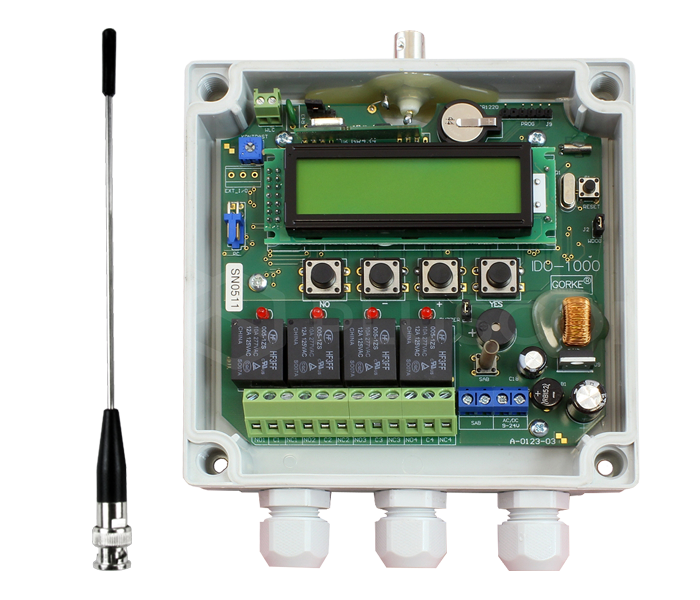
Identification receiver in the maintenance department: recognises each of the 40 buttons and passes the events to Tablica Synoptyczna, which labels them with the workstation name and the type of call.
Quantity: 1
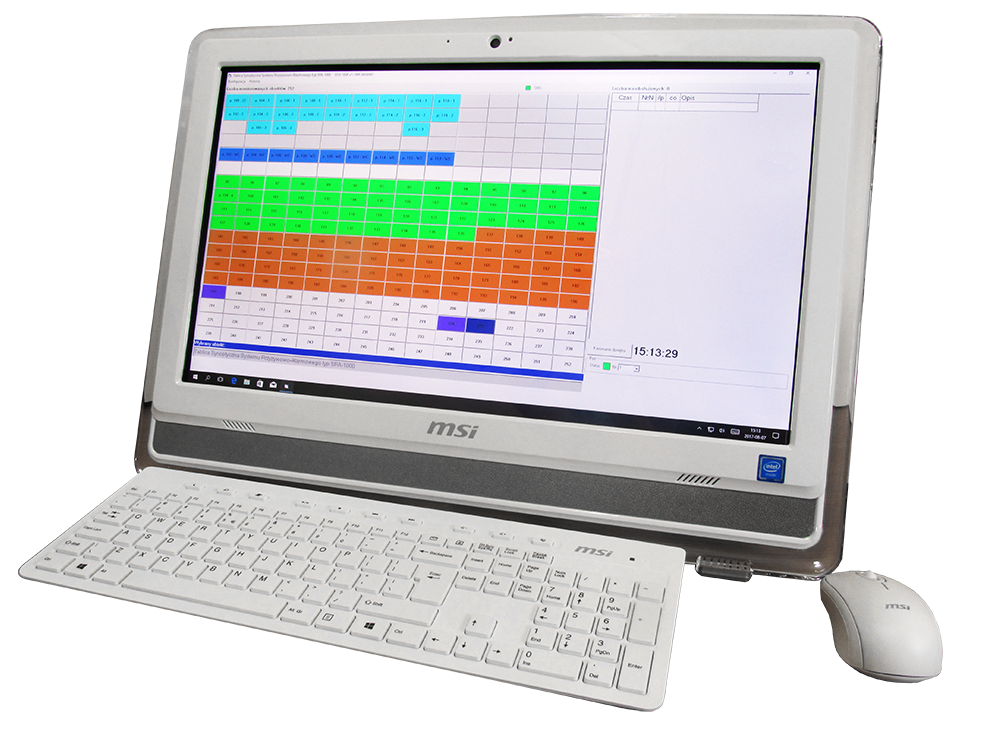
Touch-screen computer with the Tablica Synoptyczna software: a list of open calls and an archive with the time each call was raised and cancelled.
Quantity: 1
Pagers: 3 for maintenance technicians, set to the breakdown buttons, and 2 for logistics staff, set to the material buttons. They show the workstation number.
Quantity: 5
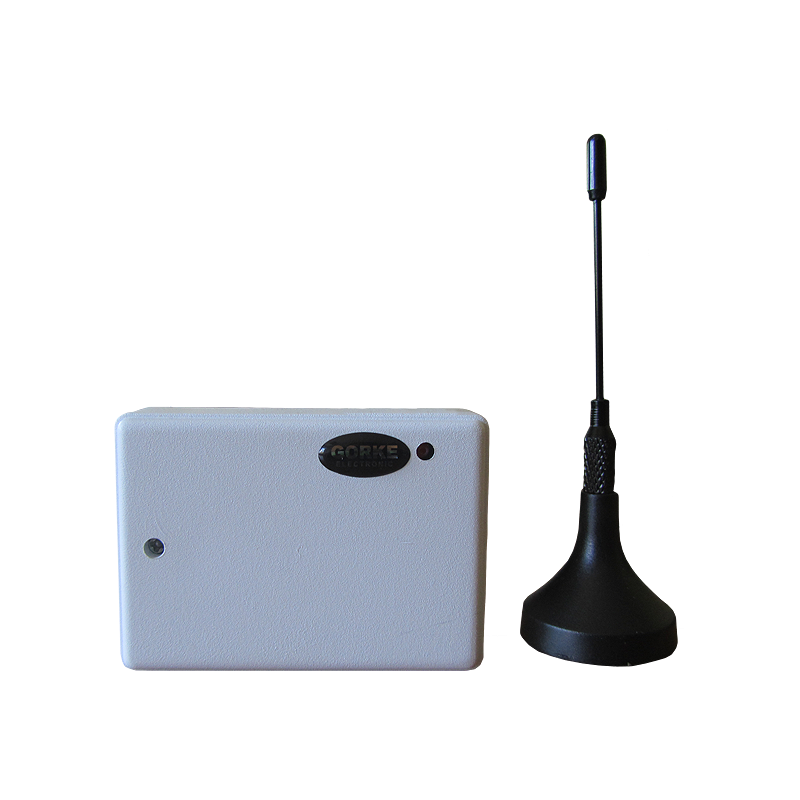
SMS module for Tablica Synoptyczna, LTE: on the night shift it sends events to the shift supervisor; supports up to 10 phone numbers.
Quantity: 1
Power supply in the maintenance department for the receiver and the SMS module; both accept 12 V DC.
Quantity: 1
Catalogue figures describe a device under stated conditions, usually in open terrain, and are not a guaranteed range in every installation. Device quantities in the examples are indicative.
04 / Value for the investor
Breakdowns go to the maintenance pagers and shortages to the logistics pagers — nobody runs to a call they cannot deal with.
The archive shows how long each call lasted from raising to cancellation — data for discussing work organisation without introducing an MES.
The buttons run on batteries and are fitted at the workstations without running wires — also on a line whose layout will change some time later.
05 / Before installation
Before devices are chosen, what matters is the site’s conditions and how the system ties into the final installation.
Example configuration — it needs a technical selection for your site.
More from this sector
Industry
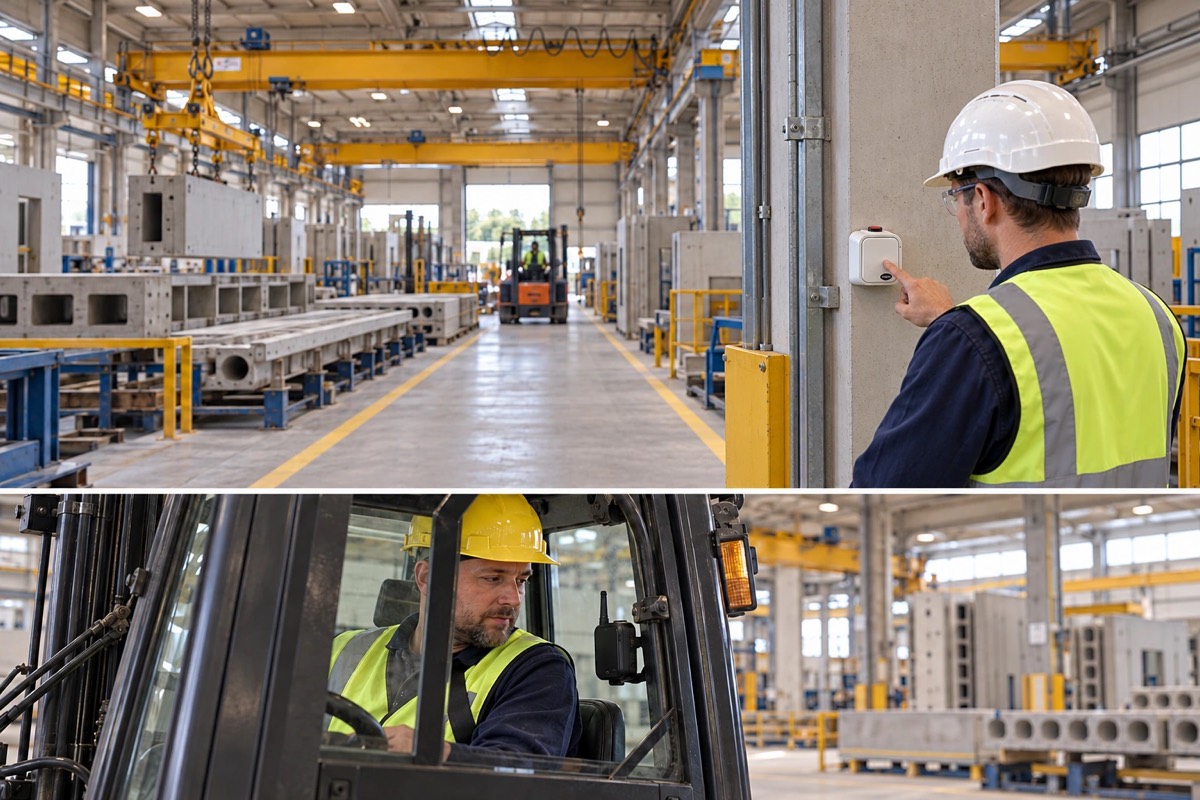
A precast concrete plant: a worker calls a forklift from the workstation, and the operator knows where the call came from — without extensive cabling across the hall.
Industry
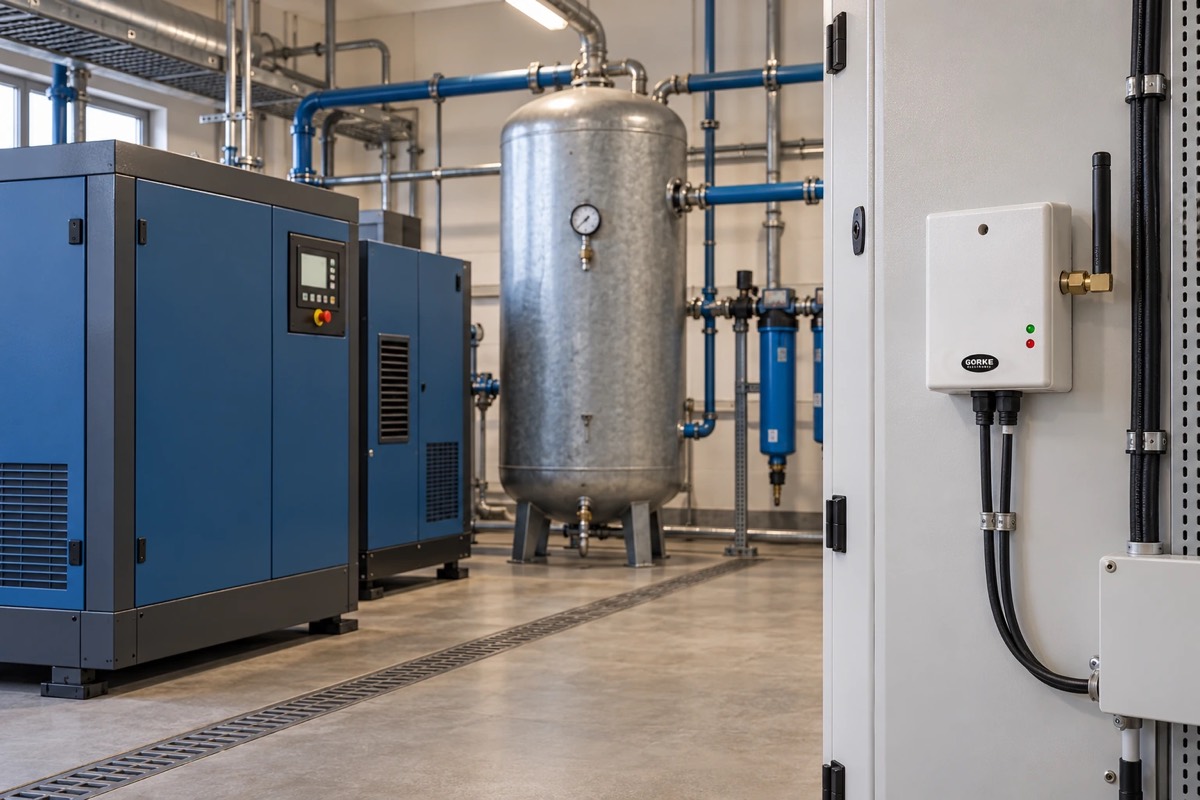
A compressor house 300 m from the maintenance office, behind a steel hall: two alarm states from the controller travel there by LX radio and, after hours, by text to the person on call — no cable across the site.
Industry
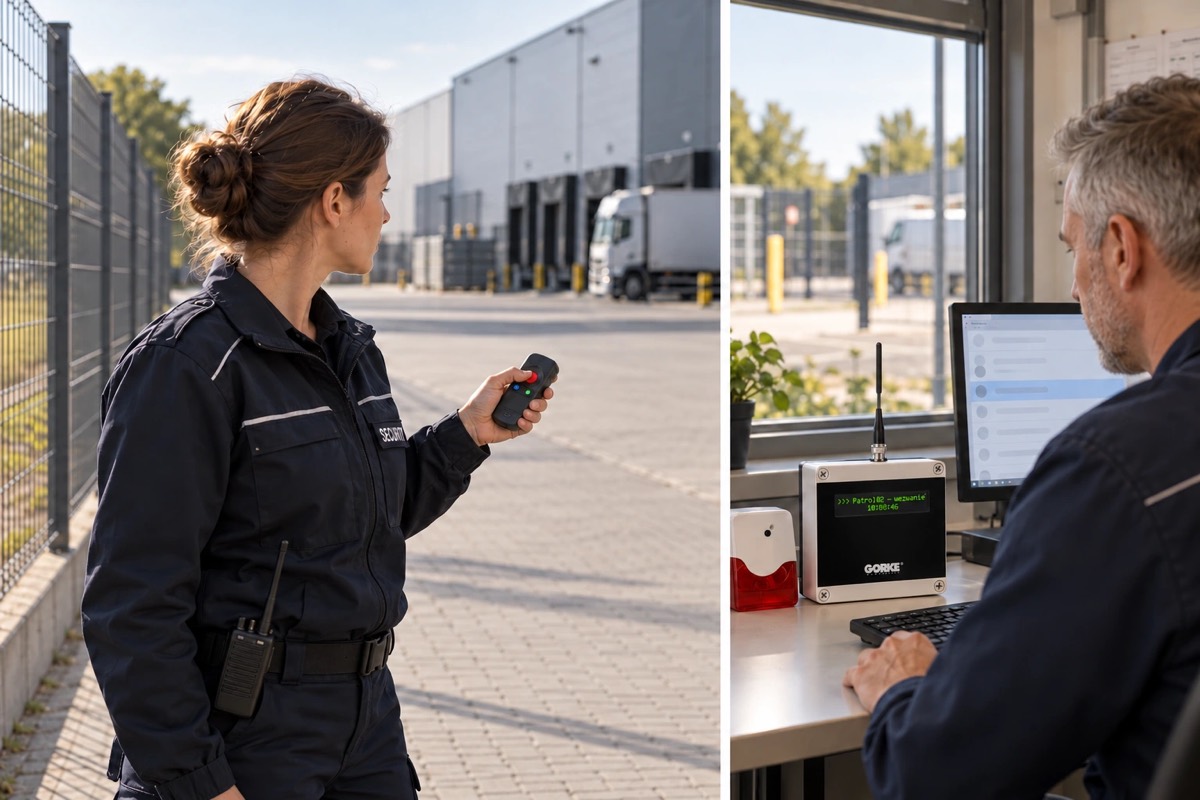
A 20-hectare plant site: a security guard calls for backup with one key, feels the confirmation vibrate, and the guardhouse sees who is calling.
A project for your site
Send us the key requirements — GORKE will help define the scope, the technology and the components that fit the investment.