SPX-PK1C
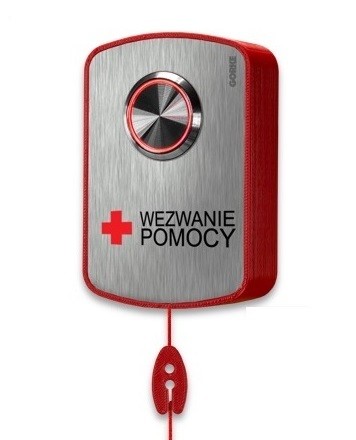
SOS button in the toilet: a call by key or by a cord reachable from the floor, cancelled on the button itself. Battery-powered, surface-mounted.
Quantity: 1 per toilet
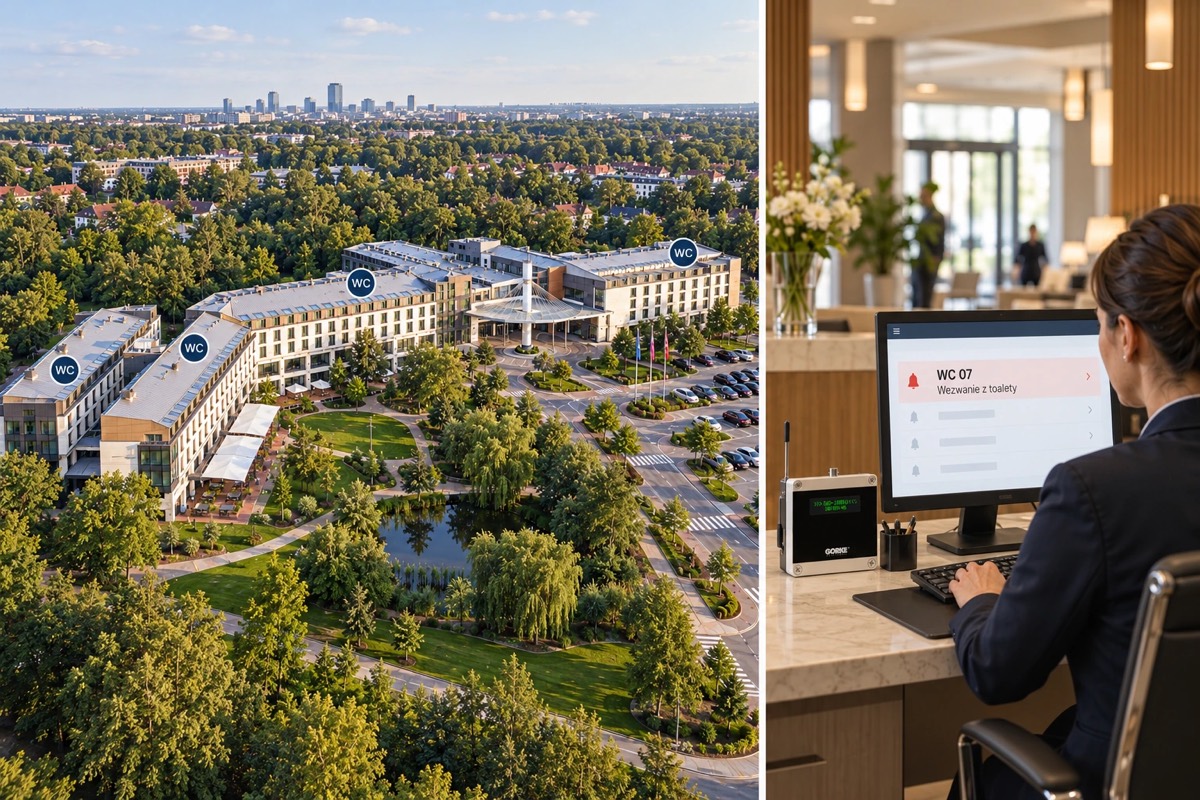
A single LX nurse call system links about 20 accessible toilets, spread across several buildings of the complex, with the reception — no separate installation in each building and no cables between them.
01 / Investment context
DoubleTree by Hilton Hotel & Conference Centre Warsaw is a hotel and conference complex made up of several buildings. About twenty toilets accessible to people with disabilities are spread across different parts of it. The reception, which is to take the calls, is in a different building from some of these rooms.
Accessible toilets are used by people who may need help: wheelchair users, people on crutches, older guests. A fall or a fainting spell in a closed room is particularly dangerous, because nobody outside can see it. The call must therefore reach the staff whichever building the toilet is in, and the staff must know at once where to go.
A separate system in each building would mean several places where calls have to be watched, and cables between buildings would mean installation work in an operating hotel.
The investor’s goal: A call from any toilet, in any building, reaches the reception as the one service point — without a separate system for each building.
The complex is covered by one LX-series system that links the distant points of the installation with the reception. For a similar site GORKE specifies an SOS button with a pull cord (SPX-PK1C) for each toilet: a call is sent by pressing the key or pulling the cord, which can be reached even by someone who has fallen. The button is battery-powered and surface-mounted, so no wall chasing is needed in finished interiors.
In such a set-up, an LX signal unit (BSX-400BP) above the toilet door shows in the corridor, with light and sound, where the call came from. At the reception the LX identification receiver (IDX-1001U/E) shows the transmitter’s label, for example “Bldg B, ground floor — WC”, and the member of staff who goes there can carry a pager (OBI-4LX). The LX link is two-way and works between storeys and buildings; if the range test reveals a weak spot, a range extender (RTX-100BP) carries the signal.
The call ends on the spot: the member of staff cancels it on the button itself in the toilet, once at the side of the person who called for help.
02 / Operating principle
One LX system links about 20 accessible toilets in several buildings with the reception — no cables between buildings.
01 / Signal source
SOS button With a cord, in every toiletA call by key or by a cord that can be reached from the floor.
02 / Transmission
LX radio Link between buildingsOne system carries the call from every building to the reception.
03 / Notification
Reception One service point for the complexThe display shows the toilet’s label, e.g. “Bldg B, ground floor — WC”.
The reception knows which building to go to. A signal unit above the door marks the toilet in the corridor, and the call is cancelled only at the button in the toilet.
A simplified functional diagram.
03 / Installation components
The description of the installation names no models — this is GORKE’s choice for a similar site.
SOS button in the toilet: a call by key or by a cord reachable from the floor, cancelled on the button itself. Battery-powered, surface-mounted.
Quantity: 1 per toilet
LX light-and-sound signal unit above the toilet door: shows in the corridor which door to open. Battery version or 12 V DC powered.
Quantity: 1 per toilet
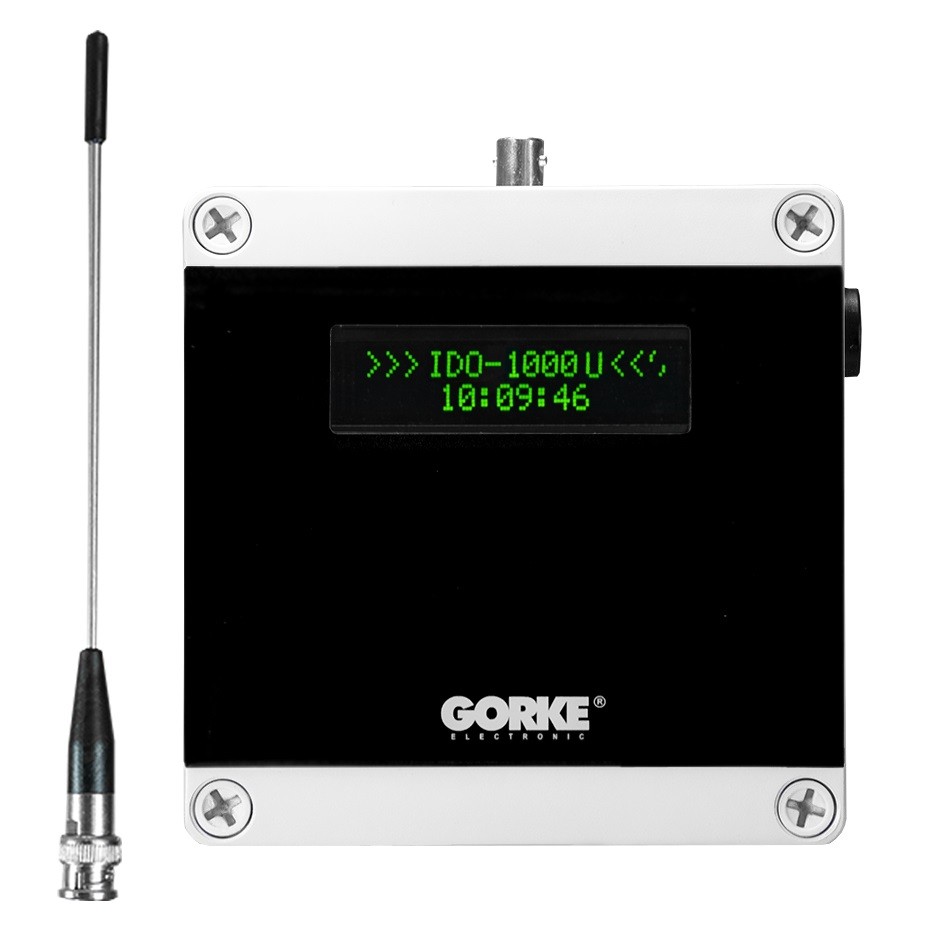
LX identification receiver at the reception: shows the label of the toilet the call came from and keeps events in its buffer.
Quantity: 1
Pager for the member of staff who goes to the toilet when the reception cannot leave the desk. OLED display, Qi wireless charging.
Quantity: 1 per person on shift
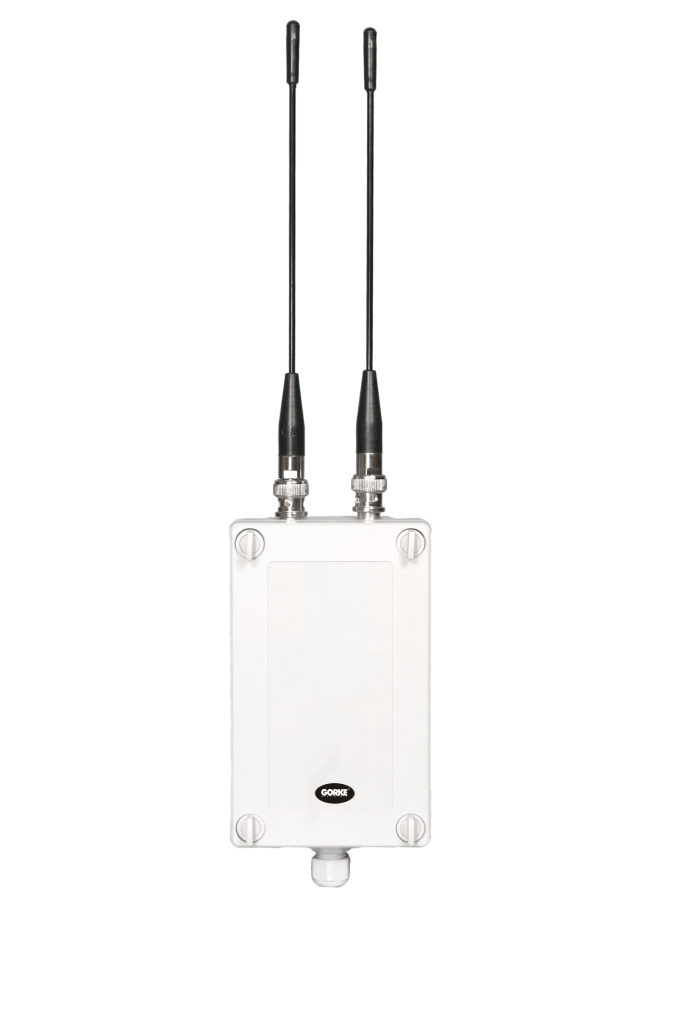
LX range extender between buildings — if the range test reveals spots from which the signal does not reliably reach the reception.
Quantity: optional
Catalogue figures describe a device under stated conditions, usually in open terrain, and are not a guaranteed range in every installation. Device quantities in the examples are indicative.
04 / Value for the investor
The toilet’s label on the display and the light above the door lead staff to the right building and room, without checking one corridor after another.
Calls from all buildings reach the reception, so no building needs its own staff watching a separate system.
LX radio links the toilets with the reception, and battery-powered buttons and signal units are fitted in finished interiors without chasing walls.
05 / Before installation
Before devices are chosen, what matters is the site’s conditions and how the system ties into the final installation.
Source: the description of the installation under Custom projects.
More from this sector
Hotels and tourism
A hotel complex in Wisła: access to car park zones, the water slide pumps, stopping water attractions in an emergency, and calls for help from the saunas.
Hotels and tourism
For a Scandinavian client GORKE adapted its standard call button for use inside a sauna: up to 110°C, resistant to high-pressure washing, with a light signal.
Hotels and tourism
The staff of a mountain hotel get a signal when the water in the tank drops to the minimum, and start the pump of a well about 1.5 km away without driving there.
A project for your site
Send us the key requirements — GORKE will help define the scope, the technology and the components that fit the investment.