PNX-202
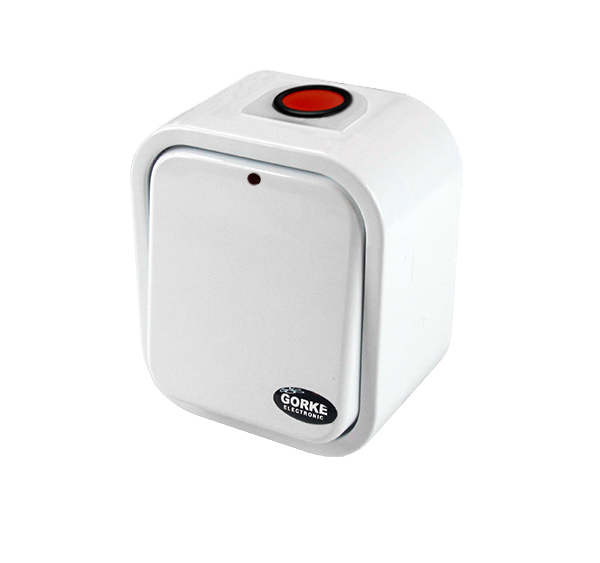
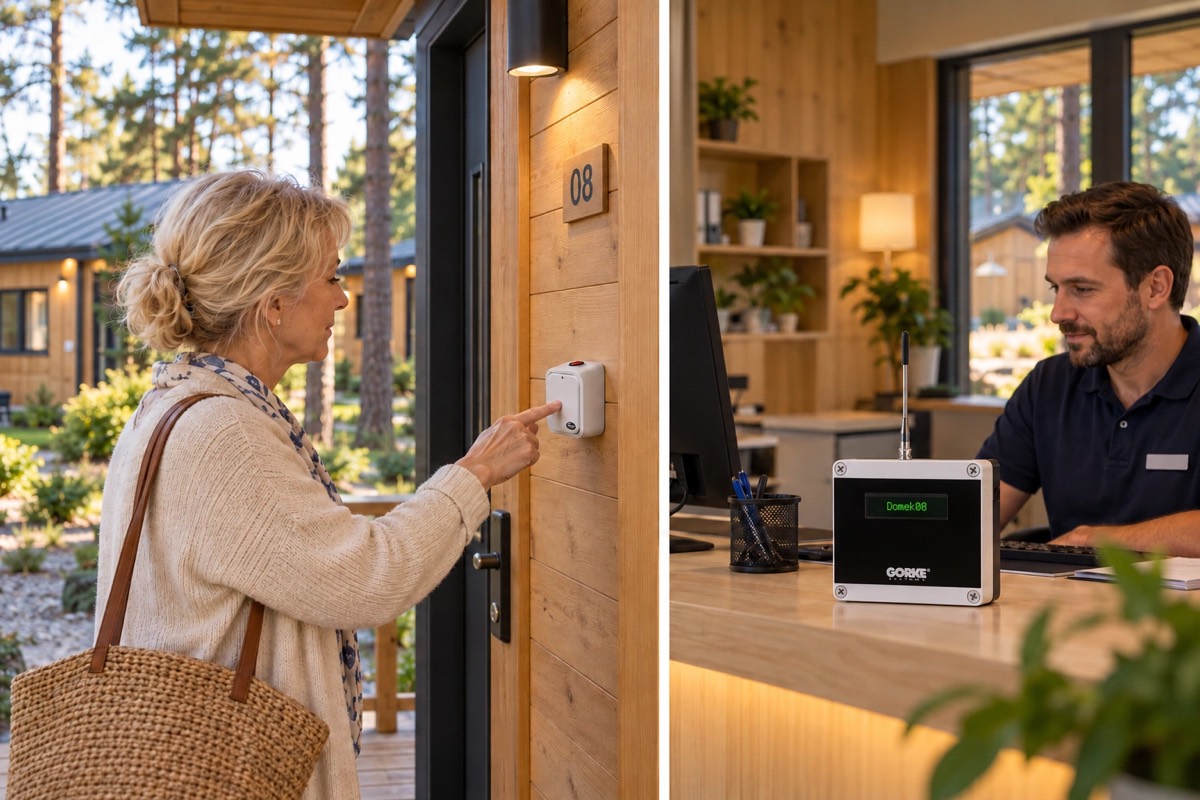
Sealed LX button on the wall by the cabin door: the flap sends the call, the top key cancels it once staff arrive.
Quantity: 14
Sealed LX buttons in the cabins, an identification receiver at the reception and a pager for the person on duty — a call across wooded grounds, up to 800 m, with no cables and no hunting for a phone number.
01 / Investment context
The resort has 14 cabins spread over wooded grounds, the farthest about 800 m from the reception. Families, older guests and groups stay in them — people who do not know the grounds and after dark may not easily find their way back to the main building.
At night the reception is closed and one person is on duty on the grounds. A guest who needs help — because someone feels unwell or the heating in the cabin has stopped working — has to find a phone number or walk through the dark resort. And even when the person on duty answers the phone, they have to ask which cabin it is.
Cables to each cabin across ground full of trees and roots would mean earthworks that the resort does not want to carry out during the season.
The investor’s goal: Every cabin has its own button; a call reaches the reception with the cabin number, and at night the duty person’s pager.
In every cabin a sealed LX button with a cancel key (PNX-202) is mounted on the wall by the door. The guest presses the flap and the call is sent — no dialling and no going outside.
At the reception the LX identification receiver (IDX-1001U/E) shows the transmitter’s label, for example “Cabin 08”, and keeps events in its buffer, so a call is not lost when the receptionist steps out. At night the person on duty carries an LX pager (OBI-4LX) and receives the call away from the reception too. The LX link is two-way, and in open terrain the button has a range of about 4 km, so 800 m among trees leaves a wide margin; a range test decides whether the signal gets through reliably, and a range extender (RTX-100BP) covers any weak spot.
The call ends in the cabin: when staff arrive, they cancel it with the button’s top key. The reception does not have to remember which calls have already been dealt with.
02 / Operating principle
A button in each of the 14 cabins sends a call with the cabin’s number to the reception, and at night to the duty pager.
01 / Signal source
PNX-202 Button by the cabin doorThe guest presses the flap — no dialling and no leaving the cabin.
02 / Reception
IDX-1001U/E LX receiver at the receptionShows the cabin’s label, e.g. “Cabin 08”, and keeps events in its buffer.
03 / Notification
OBI-4LX Duty pagerAt night, when the reception is closed, the person on duty gets the call.
Staff go straight to the right cabin. LX radio links cabins up to 800 m from the reception without cables, and the call is cancelled in the cabin with the top key.
A simplified functional diagram.
03 / Installation components
An example selection — the number of devices depends on the site.
Sealed LX button on the wall by the cabin door: the flap sends the call, the top key cancels it once staff arrive.
Quantity: 14
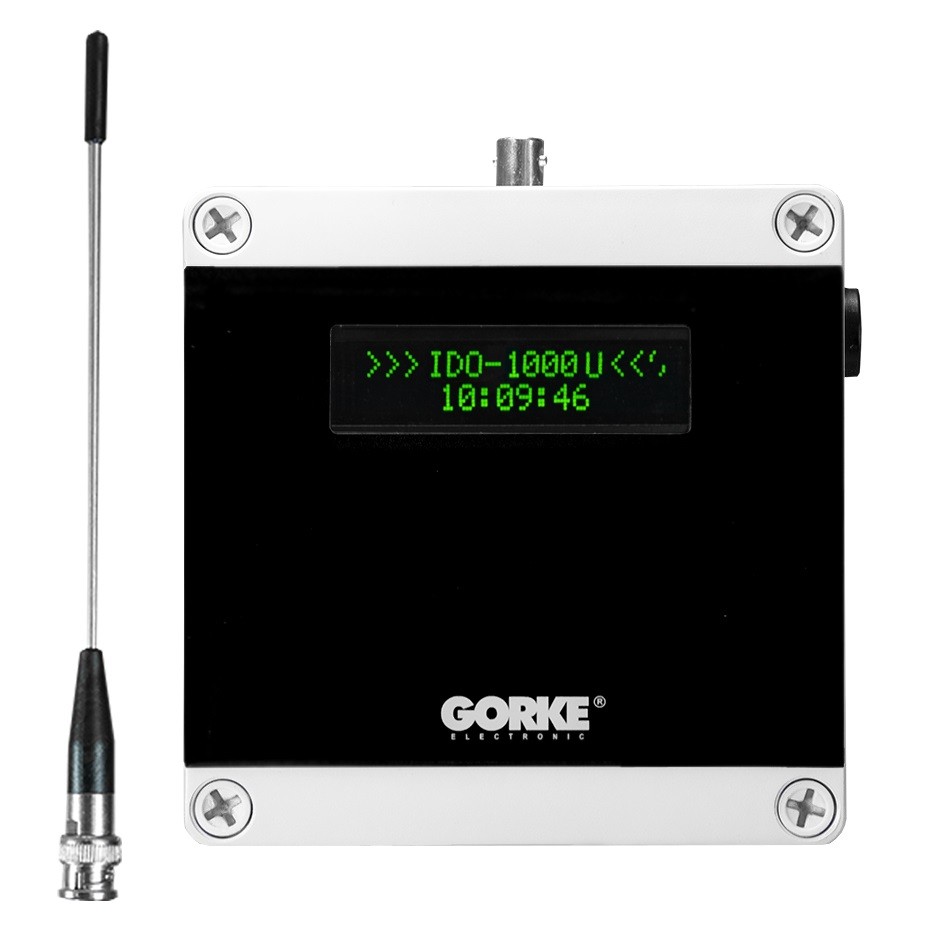
LX identification receiver at the reception: shows the cabin’s label, e.g. “Cabin 08”, and keeps events in its buffer.
Quantity: 1
Pager for the night duty person and for the grounds staff by day — the call reaches them away from the reception. OLED display, Qi charging.
Quantity: 2
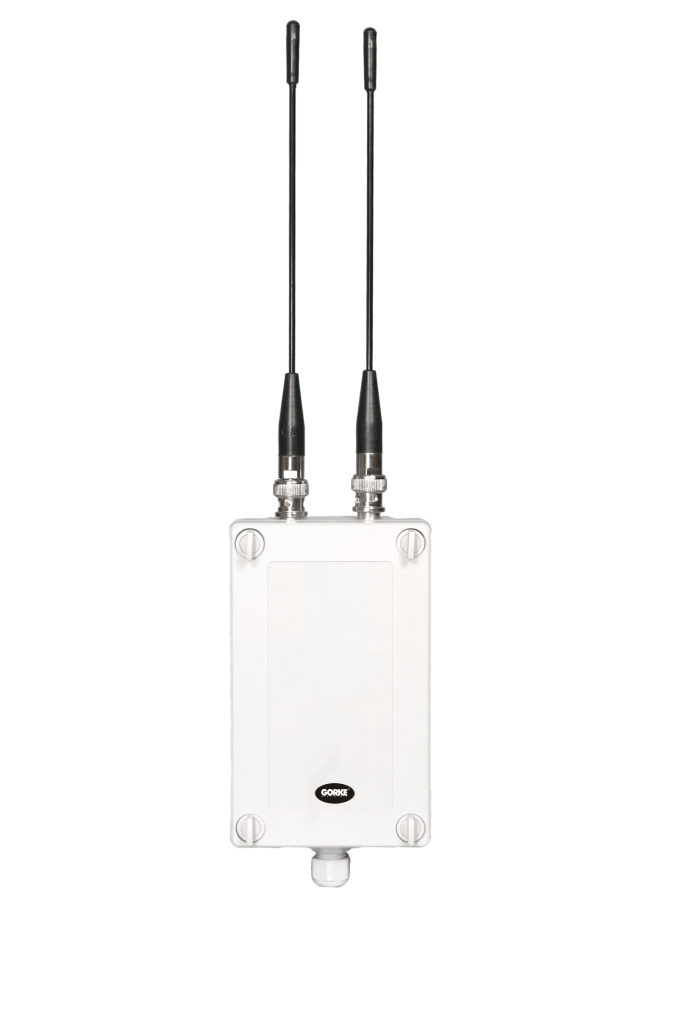
LX range extender halfway to the farthest cabins — if the range test among the trees calls for it.
Quantity: optional
Catalogue figures describe a device under stated conditions, usually in open terrain, and are not a guaranteed range in every installation. Device quantities in the examples are indicative.
04 / Value for the investor
The reception sees which cabin the call came from, so staff go straight to the guest, without questions over the phone or searching the grounds.
The buttons connect to the reception by radio, so installation needs no earthworks among the trees and no break in the season.
When the reception is closed, the call goes to the duty pager, and the guest does not have to find a number or walk through the dark resort.
05 / Before installation
Before devices are chosen, what matters is the site’s conditions and how the system ties into the final installation.
Example configuration — it needs a technical selection for your site.
More from this sector
Hotels and tourism
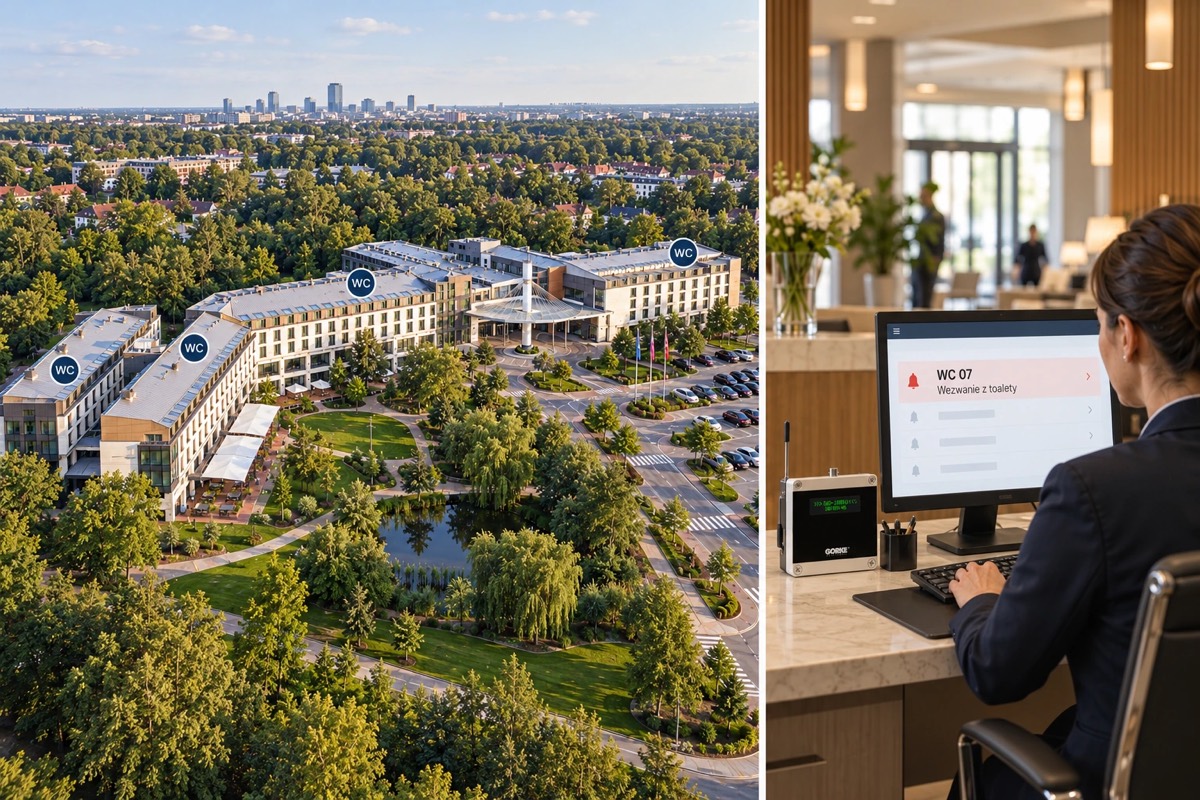
A hotel and conference complex with accessible toilets in several buildings: every call reaches the reception, even from another building.
Hotels and tourism
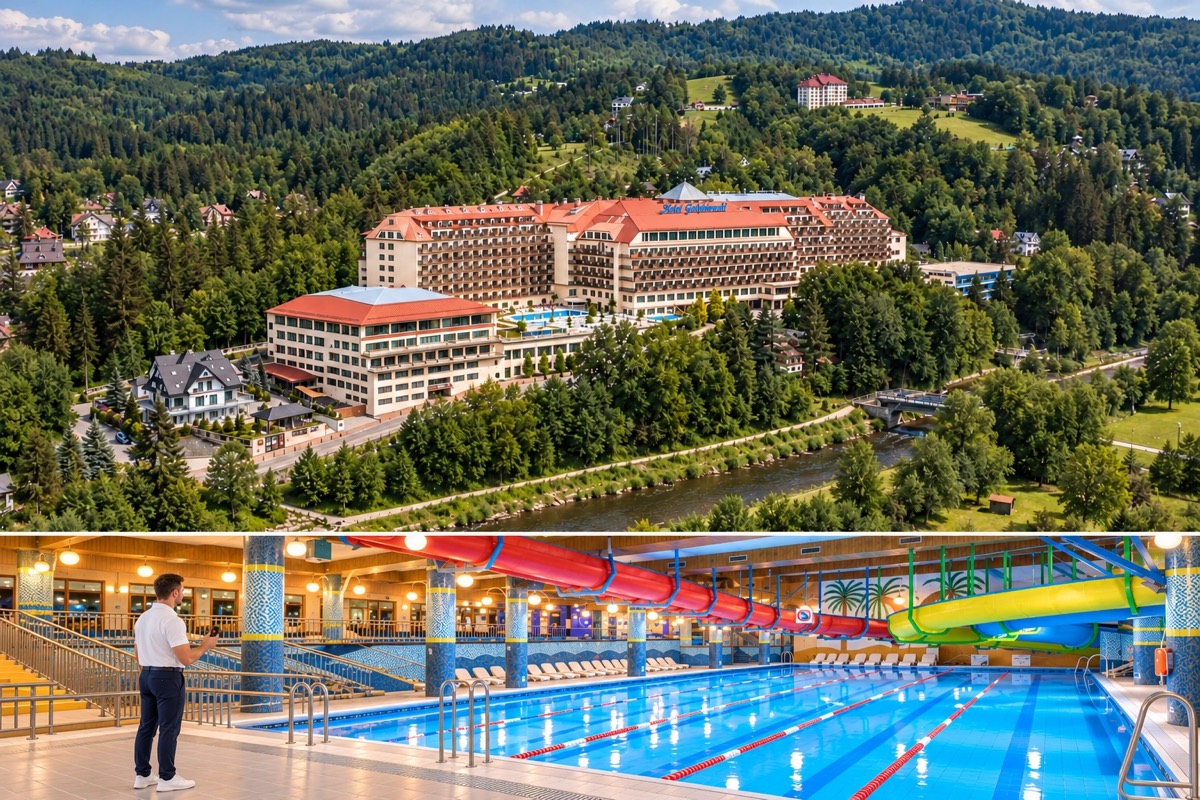
A hotel complex in Wisła: access to car park zones, the water slide pumps, stopping water attractions in an emergency, and calls for help from the saunas.
Hotels and tourism
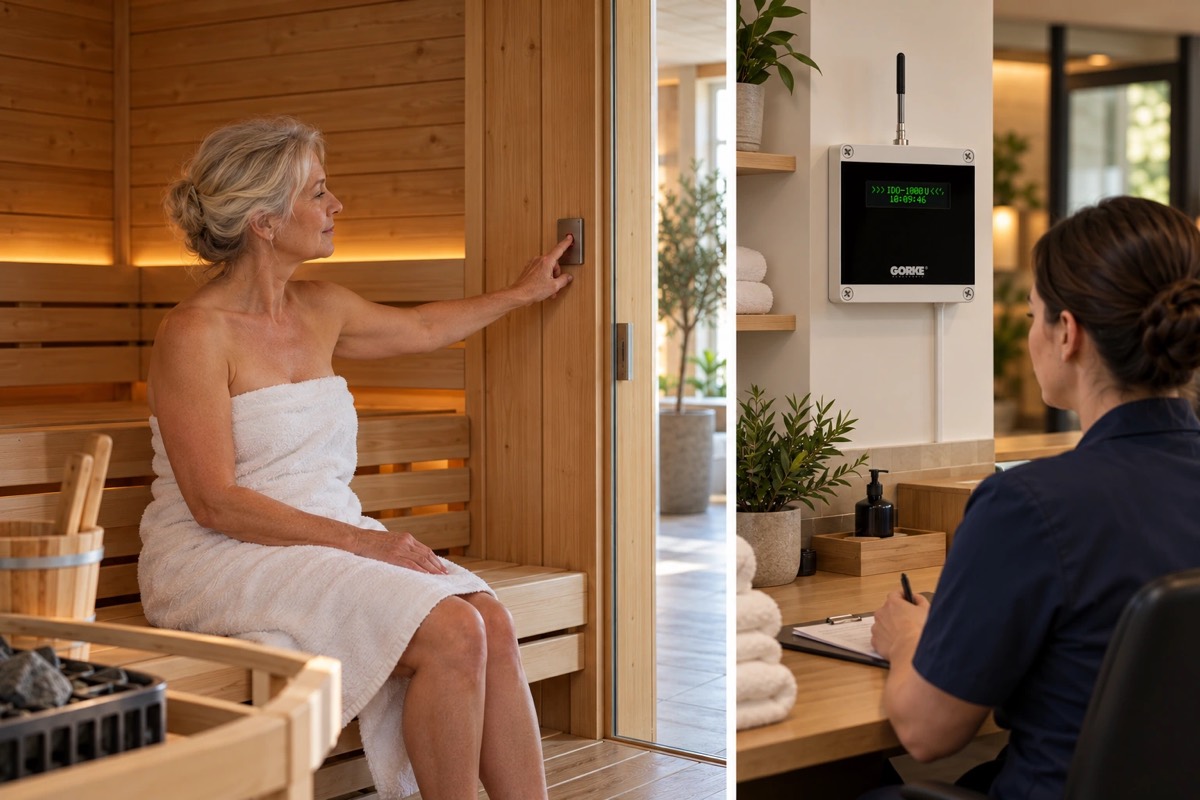
For a Scandinavian client GORKE adapted its standard call button for use inside a sauna: up to 110°C, resistant to high-pressure washing, with a light signal.
A project for your site
Send us the key requirements — GORKE will help define the scope, the technology and the components that fit the investment.