Archived model
SOX-037
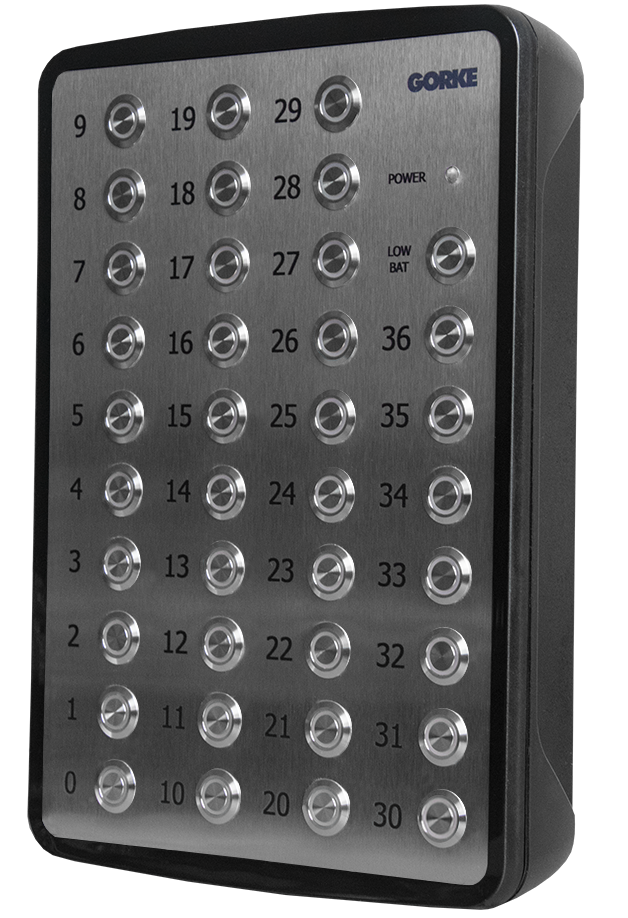
LX signal-monitoring central unit used in the installation: it received the calls from the transmitters on the storeys and confirmed their receipt. Now discontinued.
Quantity: 1
A temporary system for calling the goods-hoist operator on a high-rise construction site: LX transmitters on the storeys, their layout changing as the work progressed, and an SOX-037 central unit.
01 / Investment context
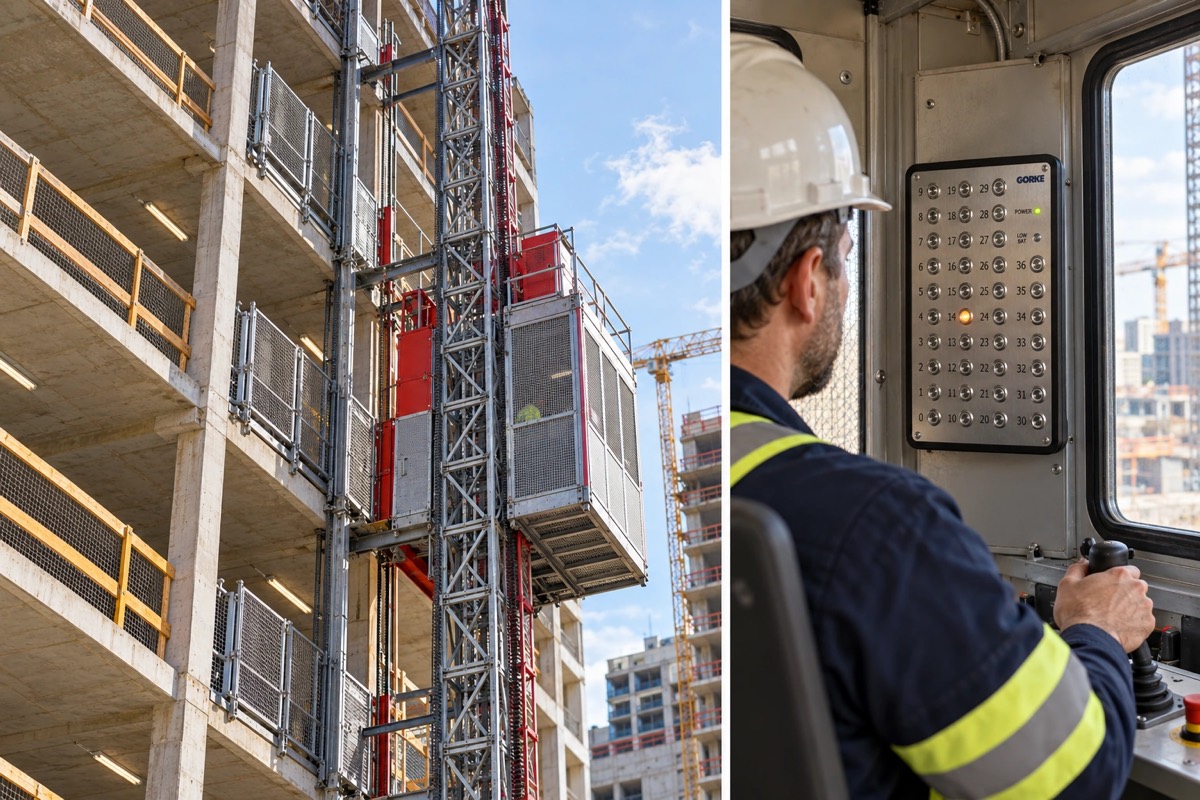
On the high-rise construction site a temporary goods hoist carried materials and people between storeys. It had to be called from the storeys it served, in a building of about forty storeys. The hoist operator needs to know on which level someone is waiting before setting off.
The installation is temporary and changes as the work progresses: storeys are added as construction goes on. A building site is also a difficult radio environment — reinforced concrete, rebar, cranes and machinery. A cable run up through successive storeys would have to be extended again and again and protected from damage.
The investor’s goal: A call from every storey served reaches the hoist operator, in a system that changes together with the construction.
LX-series transmitters working with an SOX-037 central unit were placed on the individual levels. Anyone who needs the hoist sends a call from the transmitter on their storey, and the operator learns which level it came from. The two-way LX link carries calls over considerable distances, even in the demanding environment of a building site.
The installation was prepared as a temporary one, changing as the work progressed: as the building rose, the layout of the transmitters on the storeys changed. The system made the organisation of transport of materials and people between storeys more efficient. The call goes to the operator — the system does not control the hoist and does not replace its safety systems.
The SOX-037 central unit has since been discontinued. For a similar site GORKE would today use an LX identification receiver (IDX-1001U/E), which recognises up to 1000 transmitters and displays a label for each storey, together with sealed LX buttons with a cancel key (PNX-202) on the storeys. This is today’s selection, not the equipment used in the installation.
02 / Operating principle
LX transmitters pass calls from every storey served on the site to the hoist operator.
01 / Signal source
LX transmitter On a storey of the building siteAnyone who needs the hoist sends a call from their storey.
02 / Reception
SOX-037 LX signal-monitoring central unitReceives the calls from the transmitters on the storeys and confirms their receipt.
03 / Notification
Hoist operator Temporary goods hoistLearns which level the call came from.
The hoist goes where someone is waiting. The transmitter layout changes as the work progresses, and the radio link needs no cables extended up every new storey.
A simplified functional diagram.
03 / Installation components
The models used in the project, with their equivalents in the current range.
LX signal-monitoring central unit used in the installation: it received the calls from the transmitters on the storeys and confirmed their receipt. Now discontinued.
Quantity: 1
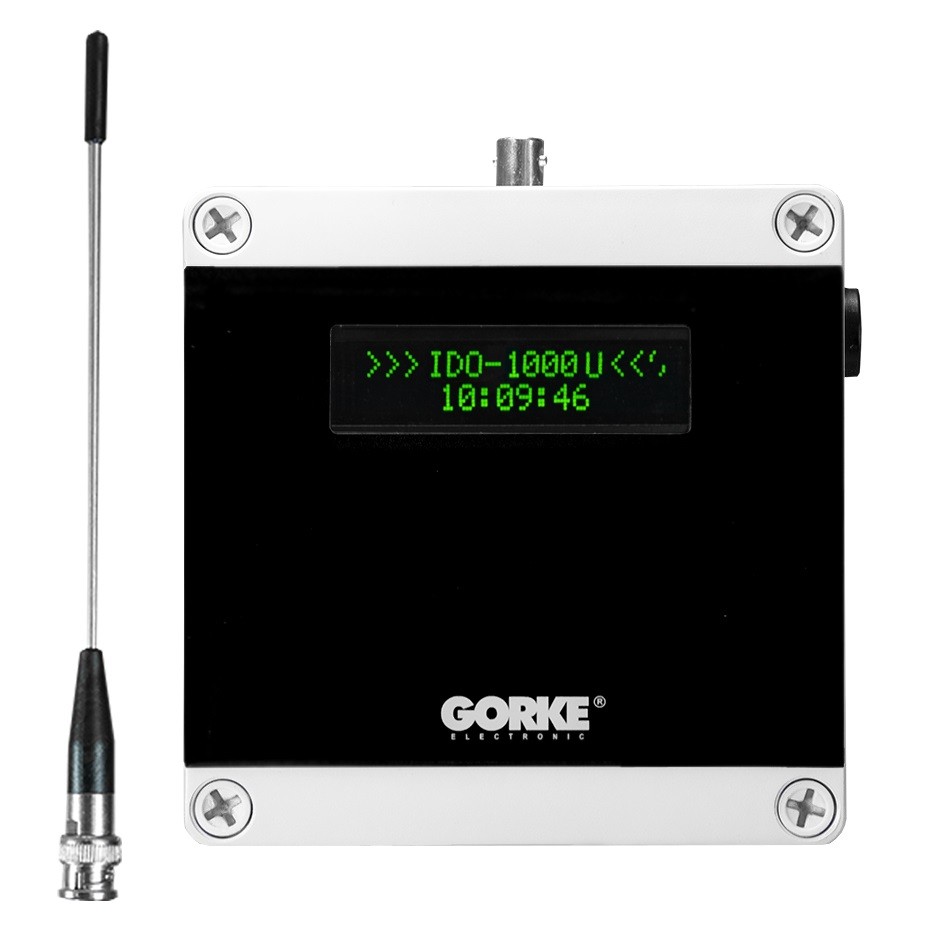
Today’s choice in place of the SOX-037: an LX identification receiver at the hoist operator’s position, showing the storey’s label, e.g. “Floor 27”; memory for 1000 transmitters.
Quantity: 1
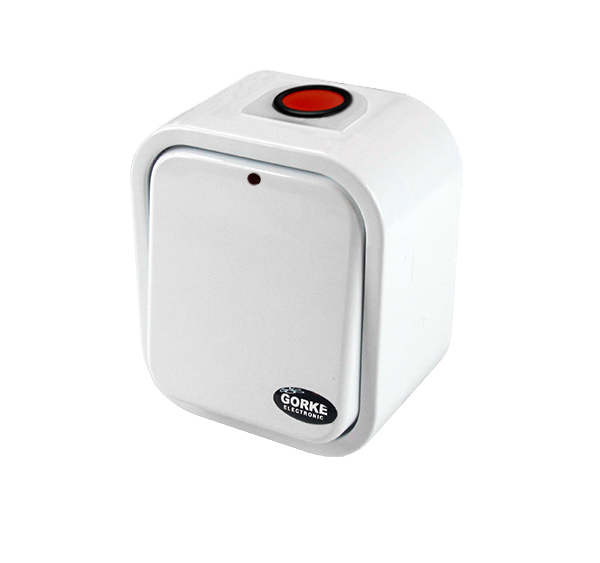
Today’s choice for the storeys: a sealed LX button at the hoist entrance — the flap sends the call, the upper key cancels it once the hoist has arrived.
Quantity: 1 per storey
Today’s choice, optional: an LX pager for the hoist operator for times away from the spot where the receiver is.
Quantity: optional
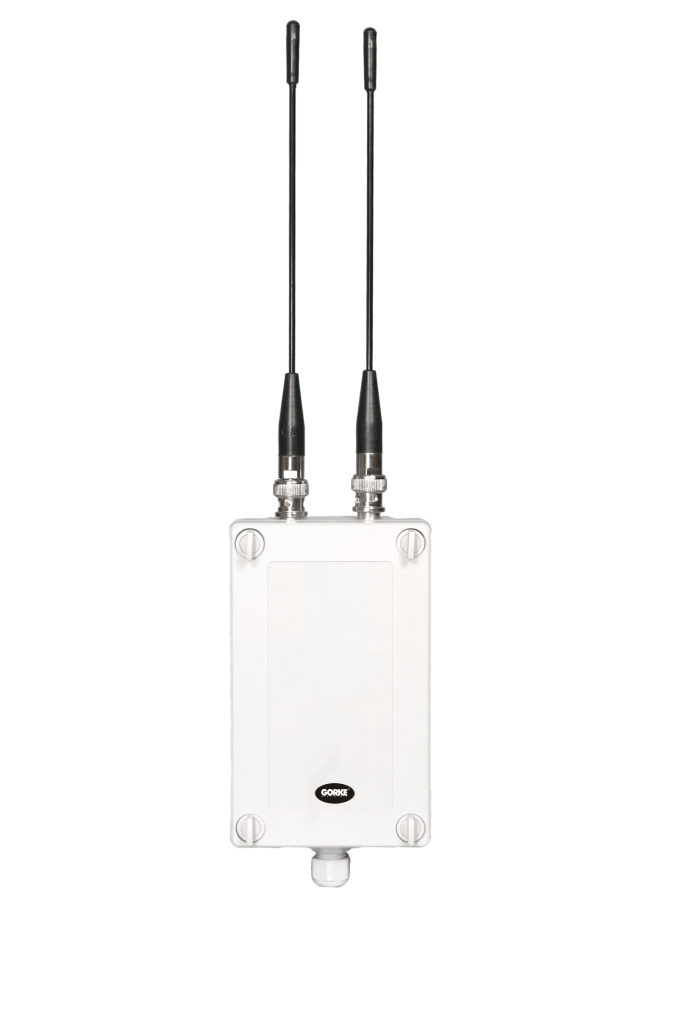
Today’s choice if the range test shows weak reception from the top storeys: an LX range extender handling up to 600 transmitters.
Quantity: per range test
Catalogue figures describe a device under stated conditions, usually in open terrain, and are not a guaranteed range in every installation. Device quantities in the examples are indicative.
04 / Value for the investor
The operator knows which storey the call is from, so the hoist goes where someone is waiting — moving materials and people between storeys runs more smoothly.
The two-way LX link carries calls over considerable distances in the demanding environment of a building site — among reinforced concrete, steel and machinery.
The transmitter layout changes as the work progresses, and the radio link needs no cables extended up every new storey.
05 / Before installation
Before devices are chosen, what matters is the site’s conditions and how the system ties into the final installation.
Source: the description of the installation under Custom projects.
More from this sector
Construction
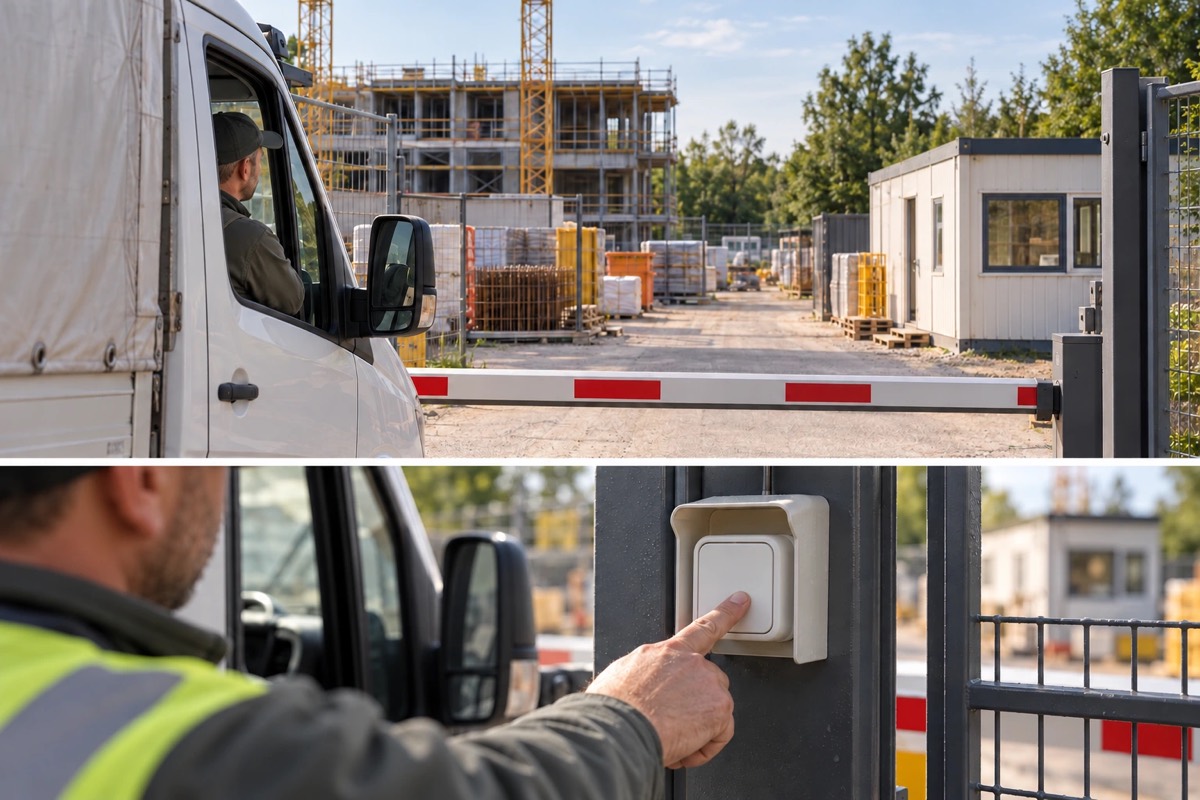
A construction site: a button at the gate sends a call to the pagers of the site manager and the storekeeper and lights a lamp on the site office 150 m away, while the driver waits instead of walking across the site.
A project for your site
Send us the key requirements — GORKE will help define the scope, the technology and the components that fit the investment.